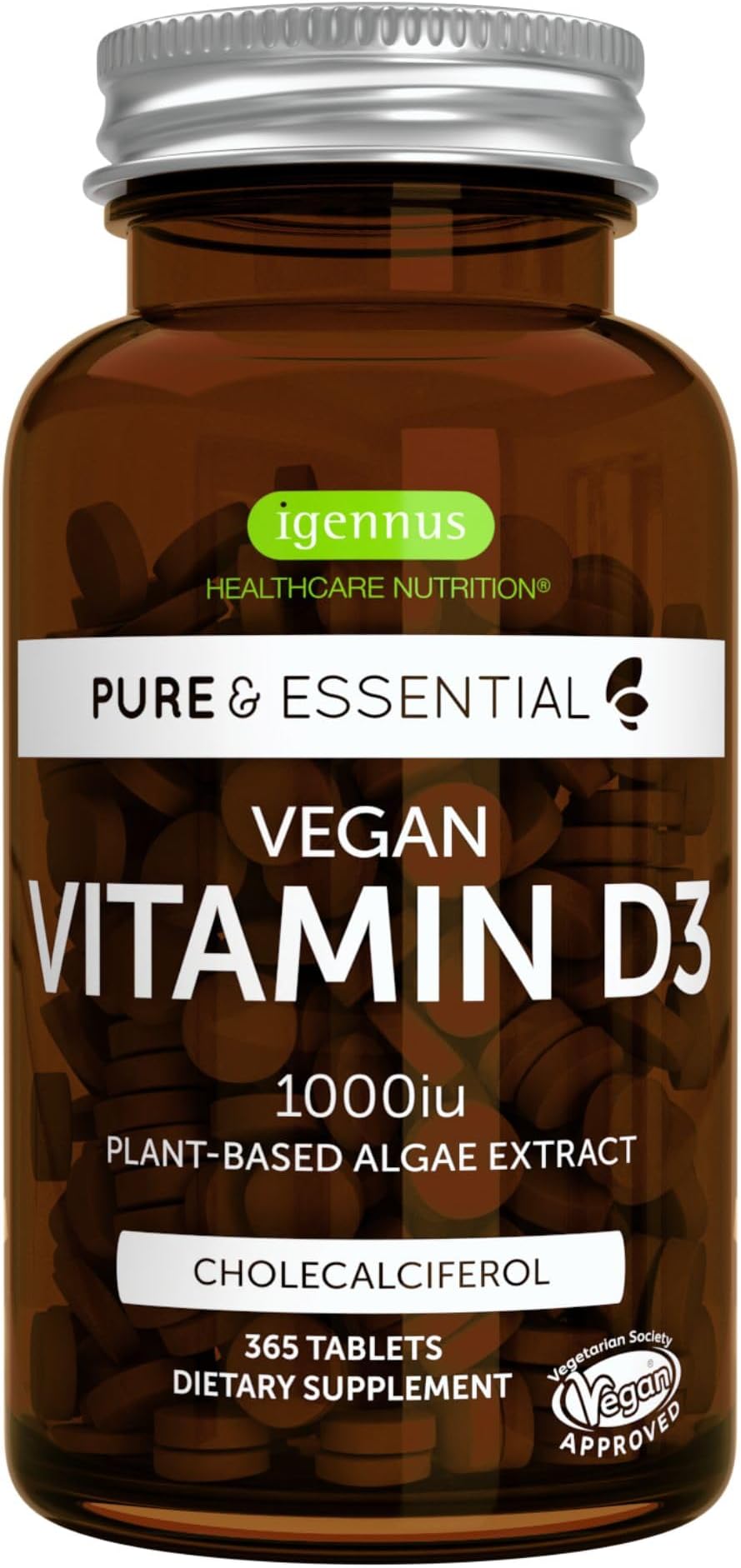
Vitamin D is one of those quiet nutrients that underwrites a surprising number of bodily processes—bone mineralization, immune modulation, and even the choreography of muscle function. Yet when people adopt a plant-forward lifestyle, the question often sharpens: what counts as a truly vegan vitamin D source? The conversation usually splits into two lanes—vitamin D2 and lichen-based D3. Both can raise blood levels of vitamin D, but they don’t behave identically in the body, and the “better” option depends on your goals, preferences, and how your lifestyle intersects with sunlight exposure.
Why “Vitamin D” Isn’t One Simple Thing
Vitamin D isn’t a single compound with a single personality. It’s more like a family of molecules that follow related pathways once they enter your system. The most common dietary forms are D2 (ergocalciferol) and D3 (cholecalciferol). D3 is often associated with animal sources in conventional narratives—yet an important pivot has occurred in vegan supplementation: lichen-derived D3. The organismal origin matters less than how the compound behaves chemically and physiologically.
In everyday terms, both D2 and D3 can be helpful. But the differences become noticeable when you examine potency, conversion mechanics, and how consistently they support optimal ranges over time.
Vitamin D2: The Familiar Plant-Based Path (Ergocalciferol)
Vitamin D2 is frequently presented as the “plant-based vitamin D” option. It’s typically derived from fungal sources exposed to ultraviolet light, which means the ingredient can be vegan-friendly and widely accessible. If you’re drawn to straightforward labeling and long-standing supplement familiarity, D2 may feel intuitively aligned.
Still, D2 is not just a substitute—it has its own kinetic profile. Some people report that D2 supports their levels adequately, especially at sensible dosages. Others find that achieving and maintaining target blood concentrations requires higher amounts or more careful monitoring.
What readers often seek here is clarity on expectations. D2 may be effective, but it tends to inspire a “measure, then adjust” mindset more often than lichen-based D3. If you’re the kind of person who prefers precision—perhaps because you’ve had low labs in the past—this framing can be empowering rather than discouraging.

Lichen-Based D3: The Vegan Reframe (Cholecalciferol Without Compromise)
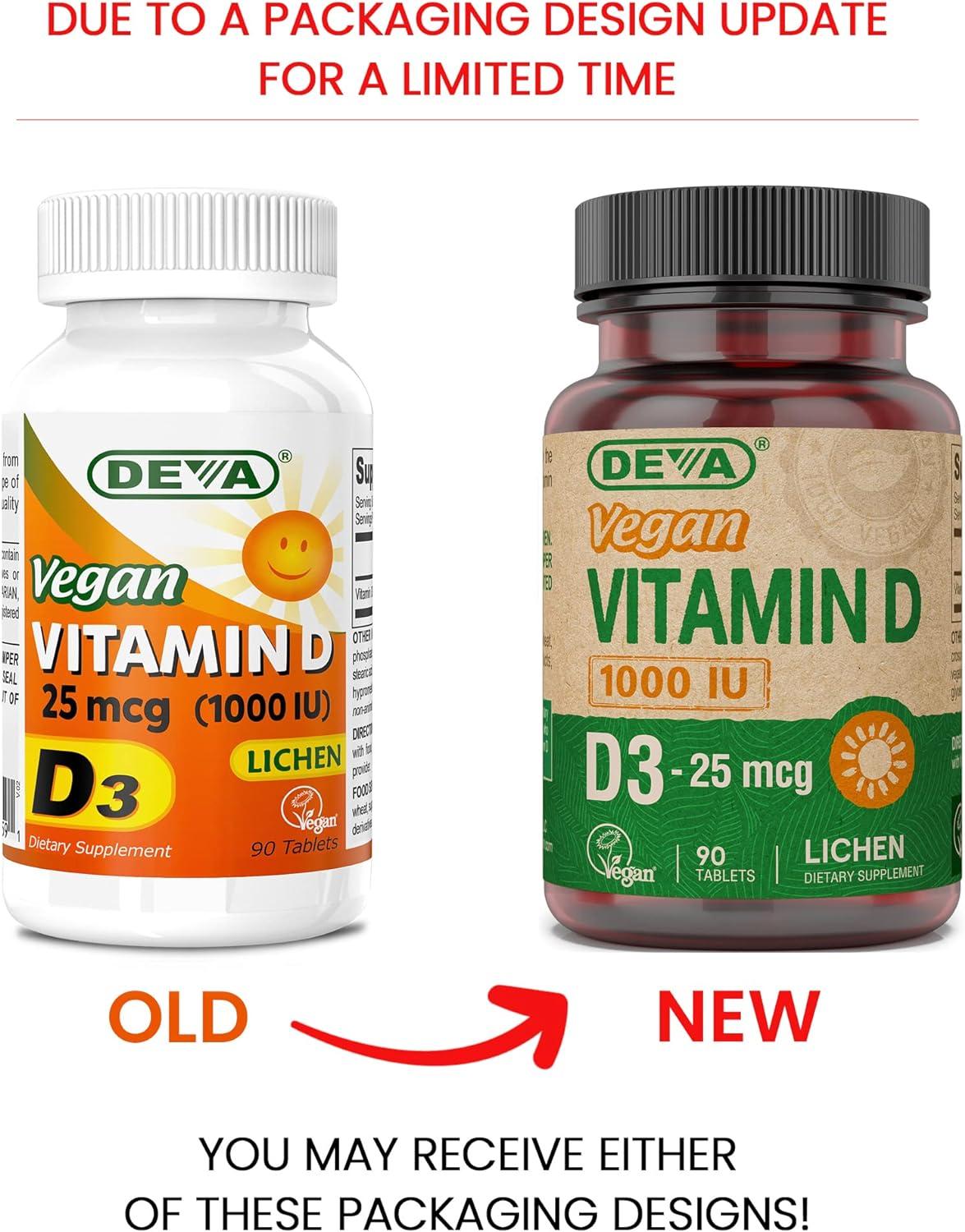
Lichen-based D3 is the contemporary answer to a historic misconception: that D3 must come from animal-derived sources. In reality, D3 can be produced from lichen, a resilient organism that thrives in environments where sunlight exposure drives biochemical pathways. The resulting supplement is structurally D3, not a “D2-like approximation.”
This distinction becomes significant for people who care about matching the form found in many high-quality nutritional strategies. Lichen-derived D3 is often marketed as vegan D3 because it replicates the cholecalciferol form without involving animal products.
Many readers gravitate toward D3 because they want a more “biologically native” feel—one that aligns with how the body has evolved to process vitamin D. While the body does not treat D2 and D3 as strangers, D3 often demonstrates stronger persistence in circulation in real-world use. In plain language: it may work more efficiently at maintaining status, though individual responses vary.
The Core Comparison: Effectiveness, Absorption, and Level Maintenance
When comparing D2 vs lichen-based D3, the discussion usually centers on two questions: “Which raises my vitamin D?” and “Which keeps it steady?” Both types can contribute to improved vitamin D status, especially when taken consistently and paired with adequate dietary fat (vitamin D is fat-soluble, after all).
However, practical experience and emerging evidence frequently point to lichen-based D3 as having advantages for maintaining serum levels. That doesn’t mean D2 is inferior in an absolute sense. It means D3 often requires less frequent recalibration—less “fine-tuning” after initial improvement—particularly for people who want long-term stability.
If you’re writing your own health strategy, this becomes a philosophical choice. D2 may appeal to those who prioritize traditional plant-based sourcing and are comfortable with adjustment. Lichen-based D3 may appeal to those who prefer fewer variables and a smoother maintenance curve.
Readers can expect a nuanced takeaway: dose matters, baseline matters, and lab follow-up matters. No form is magic; the difference is how efficiently it tends to do the job.
Dosage Reality: IU, Consistency, and the Vitamin D “Math” Problem
International Units (IU) can make vitamin D confusing. A label might say 1000 IU, 2000 IU, 2500 IU, or even more. But IU is only one piece of the puzzle. Your baseline vitamin D level—what’s already stored in your body—shapes how you respond. Two people can take the same dose and see different outcomes.
For readers who love structure, the most practical approach is consistency. Take your supplement at a similar time each day or week. Pairing it with a meal containing fat can improve absorption. Then, consider repeating labs if your clinician recommends it or if you’ve known deficiencies in the past.
In many narratives, D2 is often dosed more aggressively in certain contexts, while D3 is used with an eye toward steady maintenance. Yet the “right” dosage depends on your individual needs, your diet, and how much sunlight you realistically get.
Ingredient Quality and Form Factors: Tablets, Softgels, and Lichen Source Integrity
Not all supplements are constructed with the same attention to detail. Readers often look for signals of quality beyond the headline IU count: the presence of reliable excipients, allergen-conscious formulation, and reasonable tablet size for swallowability. Some people prefer tablets for simplicity; others prefer softgels for ease of ingestion.
For lichen-based D3, the key quality indicator is that the ingredient is truly D3 derived from lichen, not a vague “vitamin D” blend. A transparent label can reduce ambiguity. If you’re sensitive to additives, it’s especially worth checking the full ingredient list.

Special Considerations: Bone Health, Immune Goals, and Lifestyle Constraints
Vitamin D doesn’t serve only one department in the body. Bone health is the headline, but immune function is the understory. People who spend less time outdoors—due to climate, work schedules, or mobility limitations—often find that supplementation becomes less optional and more strategic.
Vegans also frequently assess broader nutritional patterns: calcium intake, magnesium adequacy, and overall protein sufficiency. Vitamin D works best when the “support crew” is present. If calcium is low, vitamin D status might look less meaningful in terms of skeletal outcomes. If magnesium is deficient, conversion pathways can become less efficient.
So readers should expect a more holistic framing. “Which is better?” often ends with, “Better for what?” If your primary goal is bone support and stable maintenance, lichen-based D3 often enters the conversation as a strong contender. If your goal is a traditional plant-derived option and you’re comfortable monitoring, D2 can be a legitimate strategy.
Lab Testing and Safety: How to Choose Without Guesswork
Choosing between D2 and lichen-based D3 is smartest when guided by data—your baseline and your target. Vitamin D status is typically measured as 25-hydroxyvitamin D. Without that number, decisions are educated guesses, not personalized nutrition.
Safety is another essential chord. Vitamin D is fat-soluble, meaning it can accumulate if taken excessively over time. That doesn’t mean supplements are inherently risky—it means dosing should be intentional. If you’re pregnant, have kidney issues, take certain medications, or have a history of hypercalcemia, professional guidance is particularly valuable.
Readers should interpret “better” as “better aligned with your labs,” not as “universally superior.” In nutrition, context is the author.
So Which Is Better: D2 or Lichen-Based D3?
If you want a concise resolution, here it is: lichen-based D3 is often favored for maintenance efficiency and for people who want a smooth, predictable approach. D2 remains a valid vegan option and can work well, especially with appropriate dosing and follow-up.
But the real answer depends on your temperament as much as your biology. Are you the type who prefers fewer adjustments and steady status? Lichen-based D3 may suit you better. Do you want a straightforward plant-derived form and you’re comfortable with monitoring and recalibration? D2 can absolutely fit.
Whichever you choose, treat vitamin D like a long-term relationship rather than a quick fix. Consistency, lab awareness, and supportive nutrition—especially calcium and magnesium—create the conditions where either form can help you feel your best.