Most people think of vitamin D as something you either get from sunlight or not at all. Yet the story is more interesting—and more personal—because vitamin D can travel through a different highway: your plate. When you begin to notice what fish can offer, your perspective quietly shifts. The ocean stops being distant scenery and becomes a pantry, brimming with nutrient clues. And once curiosity is awake, it’s hard to ignore what halibut, herring, and trout have been quietly providing all along.
Why Fish Feels Like a Vitamin D “Shortcut”
Vitamin D is unusual. It behaves like a hormone precursor, shaping how your body orchestrates calcium absorption, immune readiness, and even cellular signaling. That means vitamin D isn’t just another nutrient—it’s closer to a conductor than a passenger. Still, many modern lifestyles create a deficit. Indoor routines, higher latitudes, seasonal lighting shifts, and sunscreen habits can all contribute to lower vitamin D availability.
Fish enters the conversation because it can be one of the most efficient dietary sources of vitamin D. But not all fish are created equal. Some varieties are leaner; others are richer in fats where vitamin D tends to hitch a ride. When fat content rises, vitamin D often becomes more prominent. This doesn’t mean you must eat only the fattiest species. It means you can choose fish with intention, letting nutrition do the persuasive work over time.
Halibut: The Calm, Dependable Vitamin D Anchor
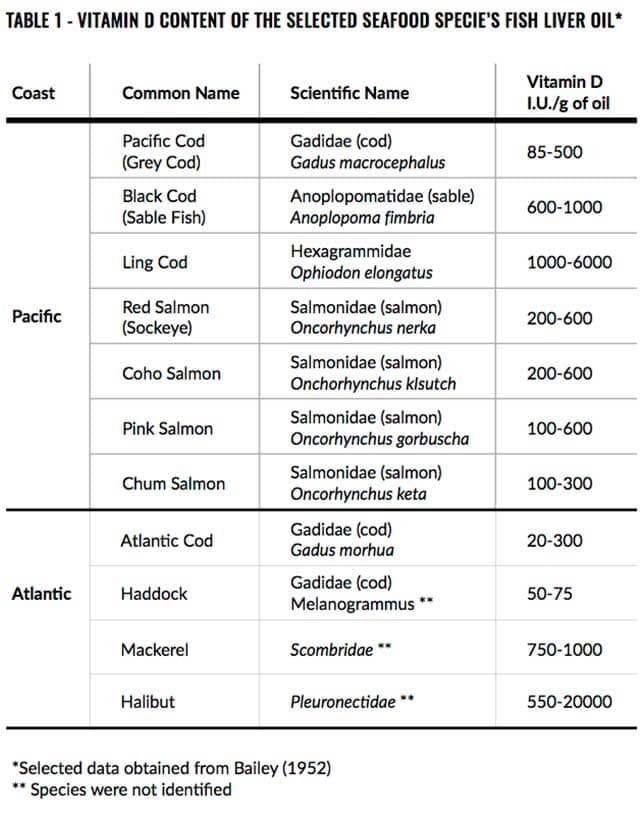
Halibut has a reputation for being mild and satisfying—an ingredient that tends to please both cautious eaters and adventurous palates. Nutritionally, it can also act like a steadying anchor. Vitamin D in halibut is typically substantial enough to matter, especially when fish replaces lower-nutrient meals.
One of the most interesting aspects of halibut is how it fits into everyday cooking. Baked, poached, pan-seared, or roasted, it remains versatile without demanding heavy sauces. You can let simplicity do the highlighting. And because vitamin D is fat-soluble, pairing halibut with a small amount of healthy fat—like olive oil—can help the absorption story feel more complete.

If you’ve ever wondered whether nutrition can be elegant, halibut answers with quiet confidence. It’s not loud. It’s just dependable.
Herring: The Nutrient-Forward, Flavor-Confident Choice
Herring often arrives with a bold personality—smoky, briny, sometimes surprising. But that flavor confidence can also reflect nutritional richness. Herring tends to be among the fish that offer meaningful vitamin D per serving, especially compared with many other common seafood options. It’s the type of fish that can make a noticeable difference when eaten regularly.
There’s also a psychological element here: when a food is strongly flavored, people remember it. They recall what they ate and how it tasted. That memory can support repeat behavior, and repeat behavior supports nutrient consistency. In other words, herring doesn’t just feed you—it can train your habits.
To make herring more approachable, consider preparation styles that match your comfort level. Try it atop whole-grain toast, folded into salads, or served as part of a composed platter. The goal isn’t to force a dramatic culinary transformation overnight. It’s to invite vitamin D in a way that feels sustainable.
Trout: A Bright, Stream-Born Option
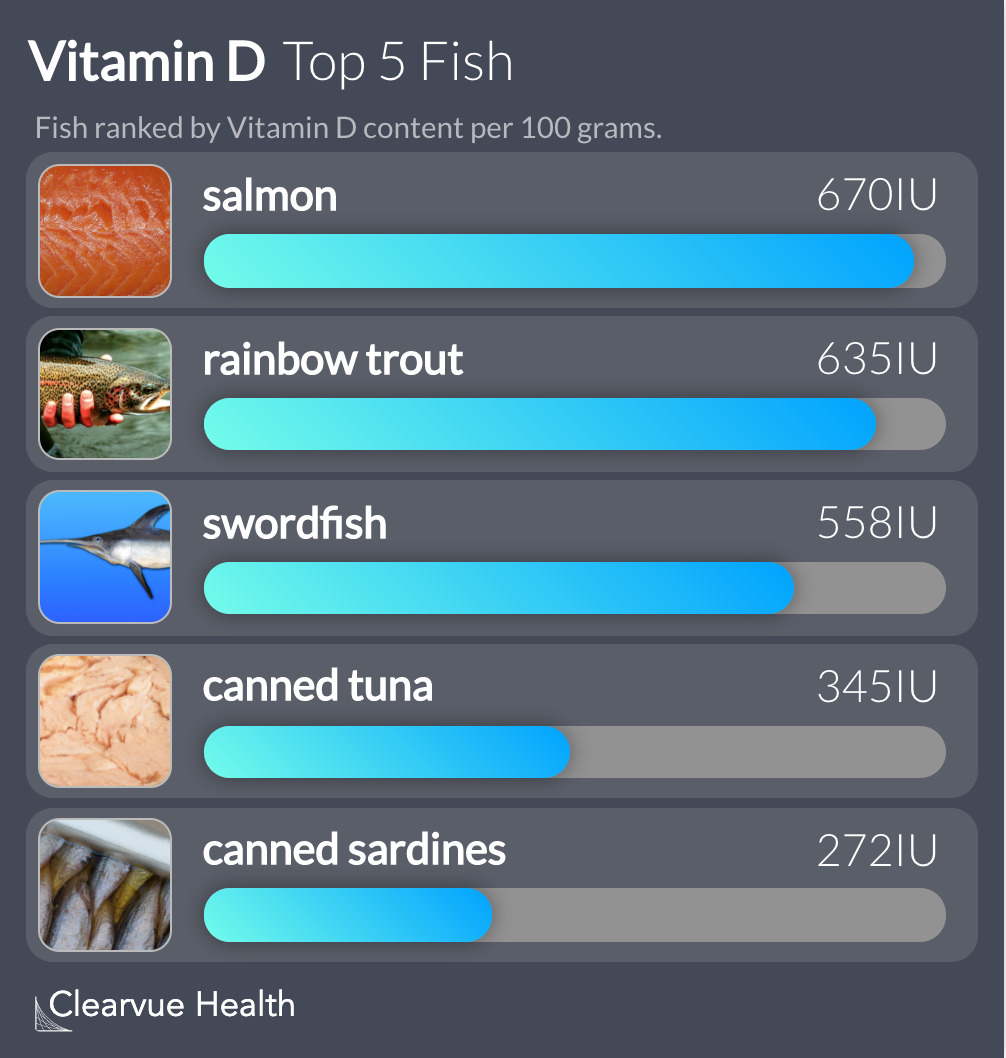
Trout can feel like nature’s gentle reminder—fresh, slightly earthy, and often lighter than herring. Still, when it comes to vitamin D, trout deserves more attention than it usually gets. It can provide a meaningful dose, and its culinary flexibility makes it easy to incorporate.
Because trout is frequently prepared with herbs, citrus, or roasted vegetables, it fits neatly into “whole meal” patterns. That matters, because vitamin D works best when your overall diet supports absorption and utilization—nutrient balance, healthy fats, and adequate minerals all contribute to the bigger picture.
Think of trout as a bridge between nutrition and pleasure. A meal can be nourishing without being joyless. When vitamin D-rich foods feel enjoyable, consistency becomes less of a chore and more of a rhythm.
Processed vs. Fresh Fish: The Hidden Variable
Here’s the part that changes how people estimate vitamin D intake: processing can influence vitamin D content. Fish can be canned, smoked, pickled, cured, or otherwise transformed. Sometimes those methods preserve the nutrient; other times, they affect how much vitamin D remains per serving.
This is why nutrition labels and product descriptions can matter, even when two items share the same species name. Two versions of “herring” might not be nutritional twins. One might deliver more vitamin D than the other because of differences in formulation, oil content, or preparation.

The shift in perspective is simple but powerful: vitamin D isn’t just about the fish species—it’s about the serving reality in front of you.
How Much Vitamin D Does “A Serving” Really Mean?
Even the best fish can become confusing if portions are fuzzy. Nutrition discussions often lose clarity because “a serving” is interpreted differently across plates and cultures. A small fillet and a generous steak-like portion aren’t equivalent. Likewise, cooking methods can shrink volume (water loss) without changing nutrient concentration in the same way.
To approach this thoughtfully, treat servings as a sliding scale rather than a rigid rule. If you’re building a routine, focus on consistency. Choose a portion size you can repeat. Then let the vitamin D story become predictable over time.
Another nuance: vitamin D absorption is fat-assisted. Pairing fish with appropriate fats—like olive oil, avocado, or a modest serving of nuts—can make the meal feel more “nutritionally coherent.” Your body isn’t looking for perfection. It’s looking for usability.
Choosing the Right Fish for Your Life
Halibut, herring, and trout can each play a role. If you’re drawn to mild flavors and family-friendly meals, halibut may be your gateway. If you want a nutrient-dense option that feels unmistakable, herring may be your compass. If you prefer something fresh and lighter yet still nutrient-relevant, trout may become your dependable companion.
One of the most elegant habits is to rotate. Rotation reduces monotony and increases the chance you’ll capture a broader nutrient spectrum. You don’t need to eat the “best” fish forever. You need a workable pattern that you’ll actually maintain.
From Curiosity to Action: A Practical Mindset
Curiosity is not a fleeting spark; it’s a lever. Once you start thinking about vitamin D through fish, grocery shopping becomes more intentional. Menus become more meaningful. Even meal planning begins to feel like a quiet form of self-advocacy.
Start with one upgrade: swap one lower-nutrient meal for a vitamin D–relevant fish choice. Then build from there. Notice how you feel, how often you can repeat the routine, and how the meals fit your preferences. Over time, vitamin D becomes less of a mystery and more of a manageable practice.
The ocean doesn’t have to be complicated. It just has to be included.