Vitamin D is often treated like a solitary nutrient—something you either “have” or “don’t have.” But in real kitchens, it behaves more like a talented co-pilot. When you pair it with fat-rich meals, it can hitch a ride through your digestive system more efficiently, nudging absorption in a favorable direction. This ultimate guide walks you through the why, the how, and the practical “what to cook” moments, so you can turn ordinary dining into an intentional, body-supporting experience.
Why Vitamin D Loves Fat-Rich Meals
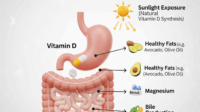
Vitamin D is fat-soluble, which means it prefers the company of dietary fats. In your gut, fats help create an environment where vitamin D can be packaged and transported more effectively. Think of it as a molecule looking for a delivery system: when fat is present, the delivery route becomes smoother and more reliable.
This doesn’t imply you need large, heavy portions of everything. It’s about alignment. A modest, well-chosen amount of fat—paired thoughtfully with vitamin D—often beats random supplementation habits. When meals include fats naturally (like those from olive oil, nuts, seeds, dairy, and fatty fish), your body has the raw materials to handle vitamin D with less friction.
Choose Vitamin D Sources Wisely: Food First
Vitamin D in food doesn’t come from one single aisle. Some options are naturally rich, while others support your overall intake. The key is to create meals that combine vitamin D–containing ingredients with fats that complement them.
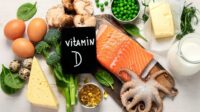
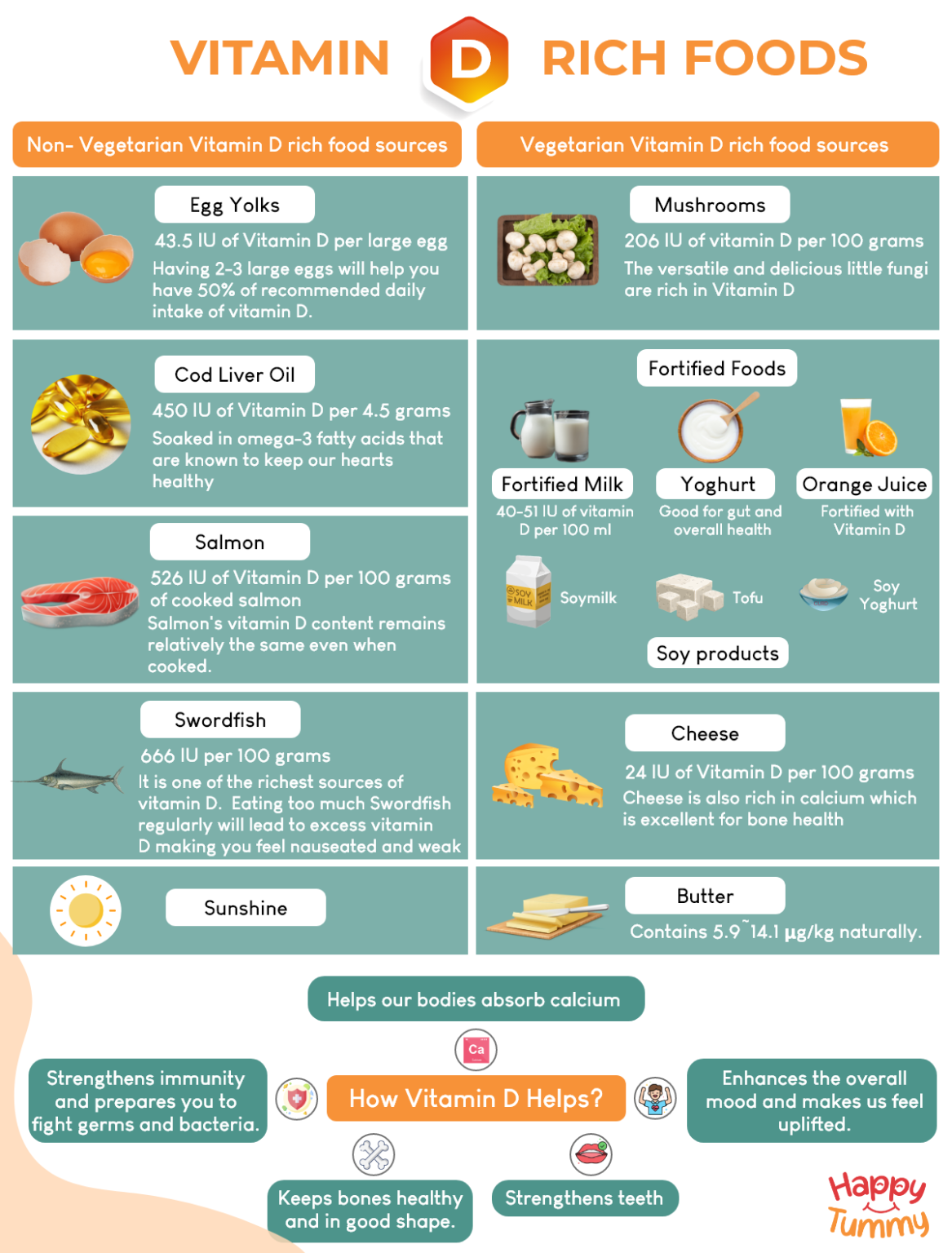
Fatty fish—such as salmon, sardines, and mackerel—tends to offer a double advantage: vitamin D plus naturally occurring fats. Meanwhile, fortified dairy and plant-based beverages can also provide vitamin D, especially when you select versions with higher fat content (where appropriate) or pair them with naturally fatty sides.
Egg yolks are another classic contributor. They’re small, but they bring their own richness to the plate, and that richness is exactly the kind of “carrier” vitamin D appreciates.
The “Pairing Blueprint”: Fats That Work Without Overdoing It
Pairing vitamin D with fat doesn’t mean drowning everything in cream. Instead, aim for fats that are both effective and palatable. Use them like seasoning—strategic, not excessive.
Olive oil (extra-virgin) is a versatile companion for roasted vegetables and grain bowls. Avocado adds a silky, satisfying texture to salads and toast. Nuts and seeds deliver a concentrated dose of fat along with crunch and flavor complexity. Greek yogurt and cheese can elevate both taste and fat content, making vitamin D–supportive meals more enjoyable.
Even a small shift—like adding a drizzle of olive oil to a vitamin D–containing entrée—can make your meal more synergistic.
Meal Types You Can Build Around Vitamin D + Fat
Different days call for different cooking styles. The most sustainable approach is learning how to construct vitamin D–supportive meals across common categories. Here are several “ready-made patterns” you can rotate without getting bored.
1) Breakfast Pairings: Make the Morning More Efficient
Breakfast is where habits are forged. For vitamin D–friendly mornings, consider meals that include eggs, fortified dairy, or fortified yogurt, paired with a fat-rich accent. A simple omelet becomes more strategic when you add sautéed mushrooms cooked in olive oil and finish with avocado slices.
If you prefer yogurt, choose a full-fat or richer version when appropriate, then add nuts (walnuts or almonds) and a drizzle of honey. The result is not only delicious—it’s a meal that supports nutrient absorption through its composition.
2) Lunch Bowls: The Layering Method
Lunch bowls thrive on composition. Layer your base with grains (like brown rice or quinoa), then add a protein source that contains vitamin D or supports it indirectly through meal design. Include fatty toppings such as olive oil–based dressing, olives, toasted seeds, or a spoonful of tahini.
When vitamin D is present in your protein component (for instance, if you’re using salmon or sardines), the rest of the bowl can be built to enhance the “fat environment.” This is where color also helps: bright vegetables, herbs, and a citrus-based finishing sauce keep the meal lively while fat supports the underlying chemistry.
3) Dinners: Turn Flavor Up, Absorption Up
Dinner is often where people want comfort. Comfort food can be vitamin D–supportive when you choose fat sources thoughtfully. Bake or pan-sear salmon with a lemon-dill sauce enriched by olive oil. Roast potatoes in olive oil rather than boiling them without fat, then serve with a side of steamed greens.
If you’re using fortified dairy in a dinner recipe—like a creamy sauce—balance it with vegetables and whole grains. The goal is an integrated plate: vitamin D–containing ingredients paired with fats that are easy to digest and enjoyable to eat.
4) Snacks and Small Meals: The Underestimated Advantage
Snacks often get treated as “extras,” but they can be calculated tools. If you want consistent absorption support, consider small fat-forward pairings. Examples include a handful of walnuts with a yogurt cup, or cheese paired with whole-grain crackers and fruit.
These snacks are not merely hunger management; they can be nutrient-adjacent moments that keep your routine steady. Short and simple sentences matter here: consistency beats perfection.
Recipe Ideas: Vitamin D + Fat in Action
Here are a few practical concepts readers can bring to their kitchens. Each one is designed around the same principle: vitamin D plus fat-rich elements in the same meal.

Salmon with Olive Oil Lemon Sauce: Salmon provides vitamin D, while olive oil enhances absorption. The lemon brightens the palate, making the meal feel lighter even when fat is present.
Sardine Toast with Avocado: Sardines bring richness and vitamin D. Avocado adds a creamy fat layer; the result is compact, satisfying, and quick.
Egg and Spinach Skillet: Eggs contribute vitamin D, and a drizzle of olive oil plus sautéed vegetables makes the skillet feel cohesive rather than dry.
Fortified Foods: The “Hidden” Nutrition Strategy
Fortified foods can be valuable, especially when your dietary preferences limit naturally vitamin D–rich options. Fortified milk, fortified yogurt, and fortified plant beverages can provide vitamin D. However, absorption improves when you avoid pairing them with entirely fat-free meals.
Try fortified yogurt in a bowl with nut butter and chia seeds. Or drink fortified milk with a breakfast that includes eggs or seeds. This approach makes your choices feel less like a supplement routine and more like a deliberate meal system.
Portion Guidance and Balance: The Art of Moderation
Fat-rich meals can still be balanced meals. The goal is synergy, not excess. Choose fats you enjoy, because enjoyment increases consistency. Include vegetables for volume and fiber. Use proteins that anchor the meal. Then add fats in measured amounts—olive oil drizzles, a quarter of an avocado, a spoonful of nut butter.
Long sentences can hold complexity, but the logic remains simple: the presence of dietary fat helps vitamin D absorption, while balanced plates support overall health outcomes.
Common Pitfalls: What to Avoid
A frequent misstep is pairing vitamin D–containing foods with very low-fat sides. Another is assuming that “vitamin D is vitamin D,” regardless of how the meal is composed. A fortified drink alone can be less synergistic if your meal is otherwise fat-free.
Also watch for extremes. Ultra-processed foods can be calorie dense without offering the most supportive fat quality. Replace where possible with whole-food fats: olive oil, nuts, seeds, avocado, and fatty fish.
When Cooking Changes Everything: Techniques That Pair Well
Certain cooking methods make pairing easier. Pan-searing salmon with a light olive oil base is more synergy-friendly than baking a protein dry and serving it with plain, fat-free sides. Tossing roasted vegetables in olive oil before cooking also helps build the meal environment you want.
For sauces, consider emulsifying: a creamy but controlled sauce built with olive oil or dairy tends to coat food evenly, enhancing the “co-travel” effect vitamin D benefits from.
What to Expect Over Time: A Practical Mindset
Absorption is not instantaneous fireworks; it’s cumulative. When vitamin D–supportive meals become routine, your overall intake and utilization patterns often become more consistent. Some people notice improvements in energy, mood stability, or workout recovery; others see changes only when bloodwork is checked. Either way, a steady pairing strategy is a grounded, food-based move.
If you have specific health conditions or you’re taking supplements, individualized guidance matters. Still, the meal concept itself—vitamin D plus quality fats—remains widely applicable.
Build Your “Vitamin D Pairing” Week: A Simple Template
To make this guide actionable, rotate a few meal templates. Choose two breakfast options (eggs + olive oil, or fortified yogurt with nuts), two lunch bowls (salmon or sardines plus an olive oil dressing), and two dinners (fatty fish with a lemon-olive oil sauce, or a creamy fortified-dairy dish balanced with vegetables).
Add one snack template. Keep it consistent. Make it delicious. When your plate routinely reflects the chemistry of vitamin D absorption, you’re no longer guessing—you’re designing.