Somewhere between the winter blues and the daily grocery run, a quiet question keeps surfacing: is vitamin D2 really “good enough” when it’s tucked into fortified foods, or do I need D3 from supplements? The observation is familiar—people notice the label, compare numbers, and then wonder why the conversation never ends. The answer is not a simple yes-or-no. It’s a story about chemistry, biology, and even the strange psychology of how we interpret certainty.
Fortified Foods and the Comfort of “Something Is Better Than Nothing”
Fortified foods are designed to feel approachable. A carton of milk, a cereal box, a plant-based alternative—each one offers a promise written in nutrition language: added vitamin D. In everyday life, that phrase carries a particular emotional weight. It reduces friction. It turns health into something you can do by default.
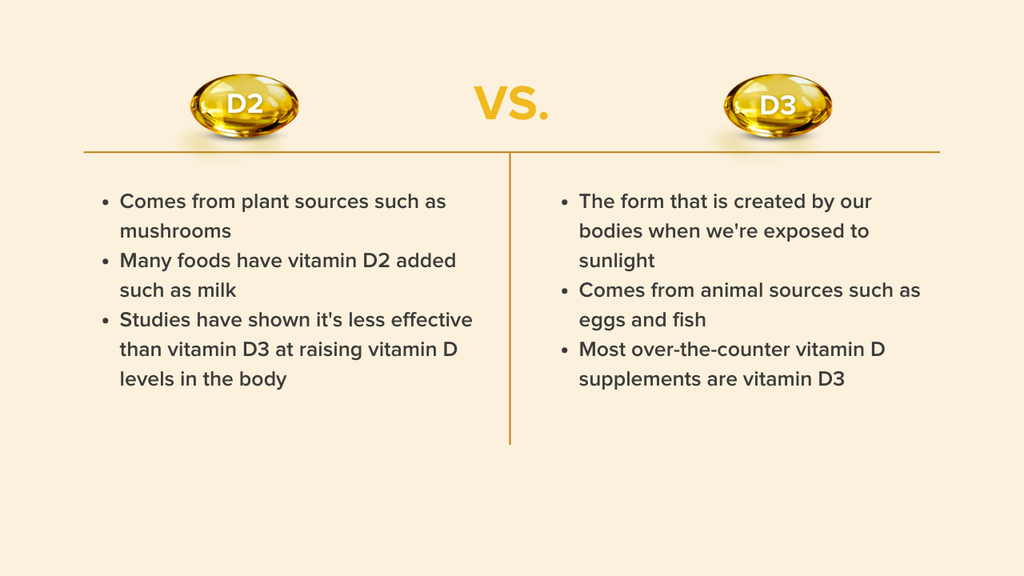
Yet the human brain has a habit of treating “fortified” as a single category, as if vitamin D is like a universal key. But vitamin D is more like a family of keys. D2 and D3 share the same headline role—supporting calcium absorption and bone health—but they behave differently once they enter the bloodstream.
When D2 appears in fortified foods, it’s often because it’s convenient for large-scale manufacturing and stabilization. That doesn’t make it useless. It makes it part of a different supply chain with its own trade-offs.
The Chemistry Behind the Labels: Ergocalciferol vs Cholecalciferol
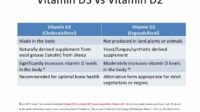
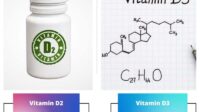
Vitamin D exists in multiple forms, and the two most discussed are vitamin D2 and vitamin D3. D2 is often called ergocalciferol, while D3 is cholecalciferol. Even the names hint at their origins and molecular pathways.
D3 is commonly associated with sunlight exposure—specifically, the transformation that occurs when skin receives ultraviolet B radiation. It’s produced naturally within the body’s ecosystem. D2, by contrast, is frequently derived from plant-based or fungal sources.
These origins matter because they can influence how the body processes each form. After ingestion, both D2 and D3 must travel through conversion steps in the liver and kidneys before they become fully functional. The conversions are not identical for every vitamin D form; minor differences can become meaningful over time, especially when levels are borderline.
Think of it this way: two routes may lead to the same destination, but the traffic lights, detours, and speed limits differ. You can still arrive, but the journey may not feel the same.
Why D3 Supplements Gain “Cult Status” (and Why It’s Not Pure Myth)
There is a reason D3 supplements attract devotion. People don’t praise them only because of marketing. They praise them because, in many real-world scenarios, D3 tends to show stronger influence on raising and maintaining circulating vitamin D levels.
The fascination, however, is deeper than efficiency charts. It’s also about predictability. Supplements arrive in a carefully measured dose. Fortified foods arrive diluted across meal frequency, serving size, cooking habits, and individual appetite. The result is that fortified vitamin D may vary dramatically from person to person.
And when your mind wants control, predictable dosing feels like control. That’s the kind of reassurance humans crave—especially when the subject is tied to an invisible nutrient circulating in a complex biochemical system.
Fortified Foods: The Hidden Variables That Change Outcomes
Fortification is not a guarantee of consistent intake. Consider the quiet variables that alter vitamin D’s effective contribution: how much of the product is consumed, how often it appears in the diet, whether the label reflects actual serving patterns, and how the food is processed.
Vitamin D also behaves like a cooperative player. It’s fat-soluble, meaning it generally travels better and is absorbed more effectively when consumed alongside dietary fats. A fortified food eaten on a low-fat day may deliver a lower practical impact than the same food eaten with a balanced meal.
Then there’s the question of baseline status. Someone already maintaining adequate vitamin D might notice little difference between D2 and D3. Someone who is deficient may feel effects more dramatically—and may be more likely to seek a form perceived as “stronger.”
These are the deeper reasons behind the debate: not only the molecule, but the circumstances around it.
Bioavailability and the “Dose Translation” Problem
People often treat labels as if they are direct translations: if you take X of D2, you should get X of the benefit. In reality, the same numerical value does not always map neatly to the same biological outcome.
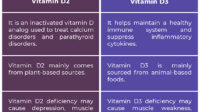
D3 has a reputation for greater potency in raising blood 25-hydroxyvitamin D in many studies and clinical experiences. D2 can still contribute meaningfully, especially when intake is consistent and adequate, but the conversion and utilization dynamics can lead to different patterns over time.
This is why “fortified” isn’t always a perfect substitute for “supplemented.” Fortified foods can be an excellent strategy for many people, but they work best when the diet is stable, the serving size is reliable, and absorption conditions are favorable.
Safety, Tolerance, and the Myth of “Natural Equals Always Better”
A surprising portion of the conversation is emotional. Some people assume that because D2 comes from plant or fungal sources, it must be gentler. Others assume D3 is more “natural” because it connects to sunlight. Both assumptions can be oversimplifications.
What matters most is adequacy without excess. Vitamin D, regardless of form, is not a vitamin you want to overcorrect repeatedly. Over-supplementation can lead to elevated calcium levels and other complications. That’s the part that gets lost when debates focus solely on what’s “stronger.”
In other words: natural origin and perceived strength do not automatically equal safety. Safety comes from appropriate dosing, monitoring when necessary, and respecting the body’s regulatory systems.
Which Path Fits Your Life: Fortified Foods, D3 Supplements, or Both?
The truth is rarely singular. Some people thrive with fortified foods because it matches their routines, tastes, and values—especially those aiming for plant-forward eating patterns. For others, especially those with limited sun exposure, irregular diets, or known low levels, D3 supplements may be a more direct tool.
Many practical strategies sit in the middle. You might use fortified foods for day-to-day consistency while using D3 supplementation to correct or maintain levels—particularly when winter stretches longer than expected.
A key piece is whether your intake is consistent. Fortified foods are best viewed as steady background support. Supplements can act as a calibrated nudge when you need a more measurable effect.
Reading Labels Like a Detective: What to Look For Beyond the Word “Vitamin D”
When you scan nutrition facts, don’t stop at the number. Look for clues about the form and the context. Some fortified products list vitamin D2 explicitly; others may use general wording. The serving size matters. So does whether vitamin D is paired with fats in the same serving.
Also watch for the total dietary pattern. If your fortified item is a beverage, absorption may differ from fortified yogurt or foods containing more fat. Your body’s uptake is not merely a matter of presence; it’s a matter of transportation efficiency.
So, Is Vitamin D2 “Worth It” in Fortified Foods?
Yes—vitamin D2 can be a valuable contributor, particularly when fortified foods are consumed regularly and in meaningful quantities. It can support bone health and help maintain adequate levels for many people. In that sense, the fascination with D2 is not misguided; it’s simply incomplete.
The deeper truth is that vitamin D status is a moving target. It depends on baseline levels, sun exposure, dietary fat intake, consistency of consumption, and how your body converts and utilizes each form. D3 supplements often offer more predictable outcomes, but fortified D2 can still play a legitimate role in a balanced plan.
Ultimately, the most effective choice is not the one with the strongest reputation—it’s the one that fits your life well enough to be consistent.