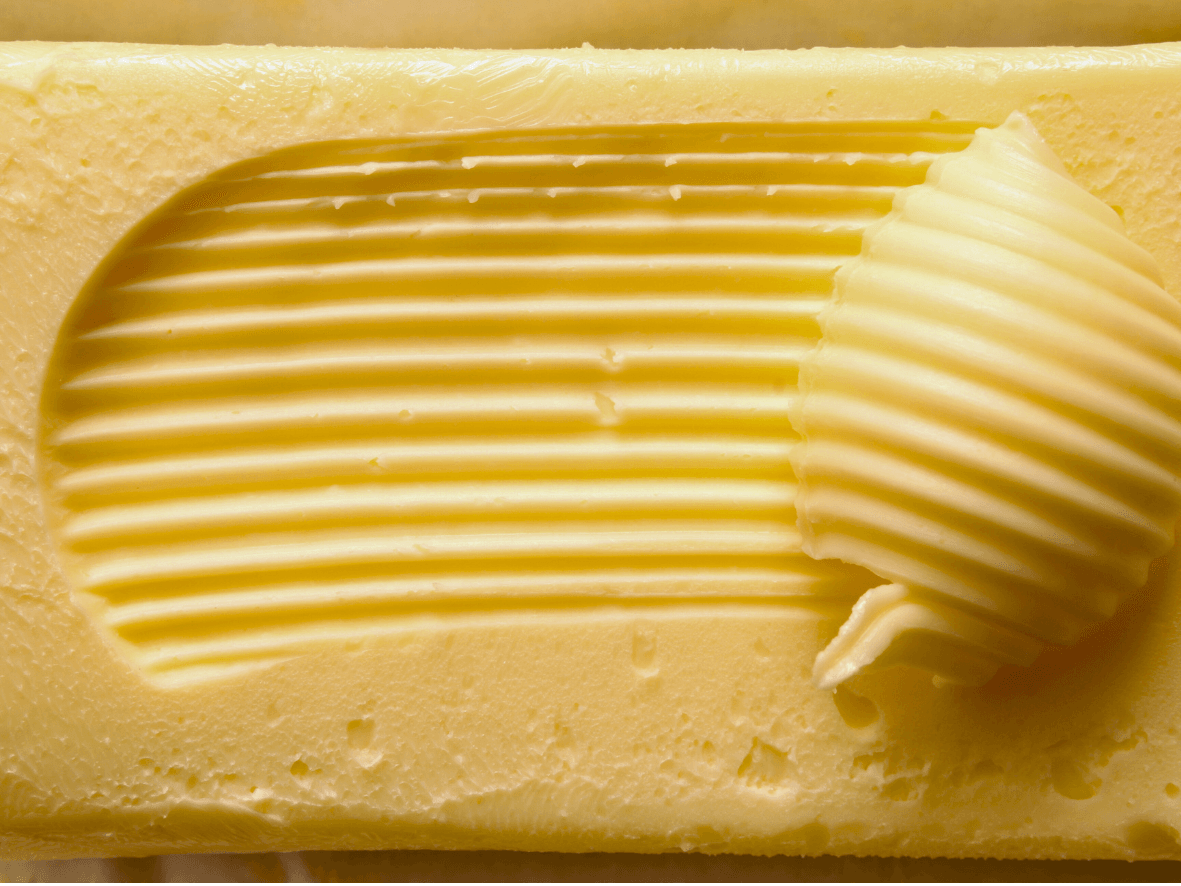
Have you ever stared at a butter label and wondered, “Could this tiny smear really help with vitamin D?” It sounds almost mischievous—like expecting a teacup to hold the ocean. And yet, grass-fed butter does bring something to the table: a small, genuinely useful pocket of vitamin D. The catch? The pocket is small. The question isn’t whether vitamin D appears at all—it’s whether that amount can matter for your body’s needs.
Grass-Fed Butter’s Vitamin D: The Small-But-Real Story
Grass-fed butter tends to contain more vitamin D than butter from conventionally raised animals, largely because pasture exposure influences the fat-soluble nutrient profile. Vitamin D is fat-soluble, which means it likes to travel along with dietary fats. That’s why butter—rich in fat—can carry a measurable bit of vitamin D.
Still, “measurable” is not the same as “miraculous.” Think of vitamin D in butter as a garnish: it can enhance the dish, but it rarely replaces the meal. Your body doesn’t just want a pinch; it wants a consistent supply—or the alternative of sensible sun exposure—to maintain healthy vitamin D status.
So the truth is quietly dual: grass-fed butter can contribute, but it’s not a standalone strategy. The vitamin D is real, but the portion of the sky it covers is limited.
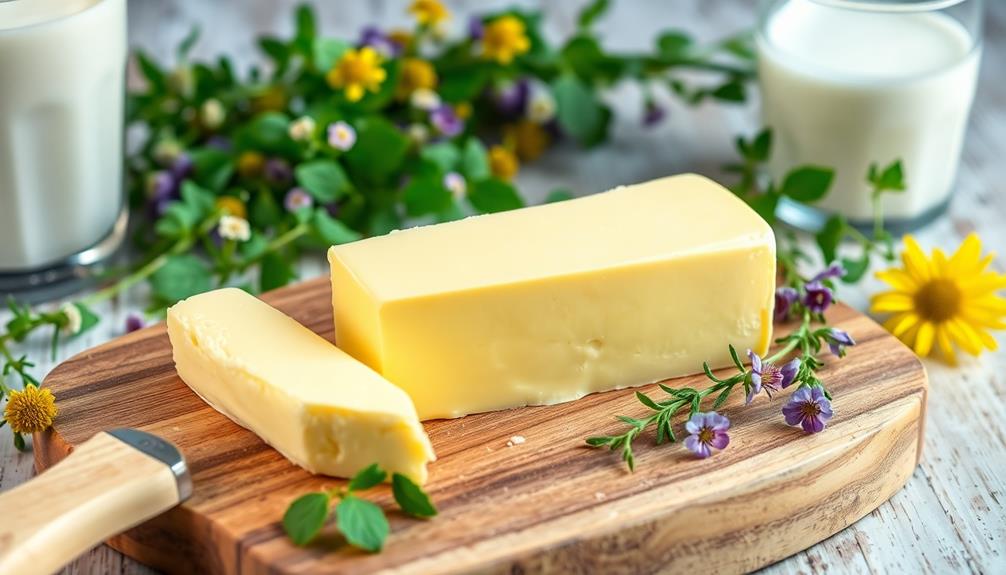
Why “Small Amount” Matters More Than You Think
Vitamin D is a bit like a backstage stagehand—easy to overlook until something goes wrong. It supports calcium absorption, influences bone metabolism, and participates in immune regulation. When levels fall, the body may respond with subtle signals: fatigue, musculoskeletal discomfort, and an increased sense of being “off.”
But if butter provides only a small fraction of what your body requires, you may feel reassured by the idea while still missing the practical goal. This is where many people get tripped up: they confuse having some vitamin D with meeting vitamin D needs.
Here’s the potential challenge: if you treat grass-fed butter like a vitamin D plan, you may neglect the other levers—sunlight, diet diversity, and (when needed) supplementation guided by testing.
How Your Body Actually Uses Vitamin D (and Why Fat-Soluble Doesn’t Mean Unlimited)
Once vitamin D enters your system, it doesn’t simply “appear” as health. The liver and kidneys perform a series of transformations, converting vitamin D into biologically active forms. That process is efficient, but it depends on having enough substrate to work with over time.
Butter’s vitamin D travels through the same fat-transport pathways, which is convenient from a nutritional standpoint. But vitamin D in foods is typically modest compared with what your skin can produce during adequate sun exposure.
So yes, vitamin D in grass-fed butter can support your intake. But it’s not an endless reservoir. Your total vitamin D status is the sum of inputs, averaged over weeks and months—not a single bite.
Grass-Fed Butter vs. Regular Butter: What Changes, What Doesn’t
Grass-fed practices can alter nutrient composition, including vitamin D. The difference can be noticeable on a nutrition profile chart, yet the real-world impact still depends on serving size and your broader dietary pattern.
Regular butter may contain less vitamin D; grass-fed butter may contain more. But both are still primarily fat sources. That means you can increase vitamin D a little without drastically changing calories or overall nutrient balance.
Here’s the nuance: choosing grass-fed is often a sensible upgrade for multiple reasons, but expecting it to close the vitamin D gap entirely is like trying to fix a leaky roof with a decorative umbrella.
Serving Size: The Hidden Lever Behind “Small Amount”
Butter portions are slippery. One day it’s a thin swipe across toast. Another day it’s a generous pat melting into vegetables or stirred into sauces. A small increase in quantity can raise vitamin D intake, but it can also elevate saturated fat intake—another reason to keep the whole picture in view.
Even if grass-fed butter provides more vitamin D per gram than regular butter, the total amount you consume still determines how much vitamin D you get. Most people don’t eat butter in large enough quantities to become vitamin D powerhouses.
The practical implication is straightforward: if vitamin D is a concern, butter can be a supplement to your intake, not the foundation. Consider it part of a broader strategy rather than a single solution.
The Sunlight Factor: The Conversation Butter Can’t Finish
Vitamin D is famously shaped by sunlight—especially UVB exposure. Diet helps, but for many people, sunlight is the primary driver. That means latitude, season, skin tone, time outdoors, cloud cover, and sunscreen habits all influence vitamin D status.
Butter can’t outcompete those environmental variables. On winter days with minimal sun, vitamin D from food—even from grass-fed butter—may be too small to correct a deficiency alone.
So the next playful question is fair: “If butter contains vitamin D, why does everyone still talk about testing?” Because vitamin D needs accumulate slowly, and your intake from food may not be sufficient in your specific situation.
Can You Rely on Butter Alone? A Playful Challenge
Imagine treating grass-fed butter like a vitamin D coupon you can redeem daily. It feels clever. It sounds delicious. It is, however, likely insufficient. Vitamin D needs vary by age, body weight, baseline levels, and lifestyle factors.
If you rely exclusively on butter, you might be quietly under-supplied. And under-supply doesn’t always announce itself immediately. Sometimes the body’s response is delayed—months later, when labs reveal what habits have been saying all along.
The challenge, then, is to keep butter in its rightful role: a supportive contributor to a larger nutrient intake plan.

Testing and Personalization: The Most Honest Approach
The most dependable way to know whether your vitamin D strategy is working is testing—typically a blood test for 25-hydroxyvitamin D. That number turns guesswork into clarity.
Once you know where you stand, you can adjust intelligently: more sunlight when safe, dietary changes, and supplementation if recommended. Grass-fed butter can fit into that plan as a small ally.
Personalization matters. Two people can eat the same foods and have different vitamin D statuses due to sun exposure, genetics, gut absorption efficiency, and metabolic differences.
How to Use Grass-Fed Butter Wisely (Without Overreaching)
Use it with a “purposeful moderation” mindset. Choose grass-fed butter if it aligns with your values and you enjoy it, then pair it with vitamin D–supportive habits: regular but safe sun exposure, a varied diet, and—when necessary—supplementation guided by healthcare professionals.
If you want butter’s benefits, consider it part of meals you already enjoy—melt it into vegetables, stir it into whole-grain dishes, or use it as a finishing flourish. Let it improve flavor and provide a small nutrient contribution rather than trying to manufacture vitamin D on demand.
That’s the truth about the small amount: it’s meaningful, but it’s not a replacement for strategy.
Final Truth: A Tiny Vitamin D Punch, Not a Full Glass
Grass-fed butter offers a small vitamin D advantage—an elegant detail tucked inside a familiar food. It can contribute to intake, especially when you’re already mindful of overall nutrition. But the amount is limited, and your vitamin D status depends on the full ecosystem: sunlight, diet variety, total calories, and sometimes supplementation.
So enjoy the buttery bonus. Just don’t expect it to do everything. In the end, the smartest move is to let grass-fed butter play its role—small, steady, and supportive—while you manage the larger vitamin D equation with evidence and intention.