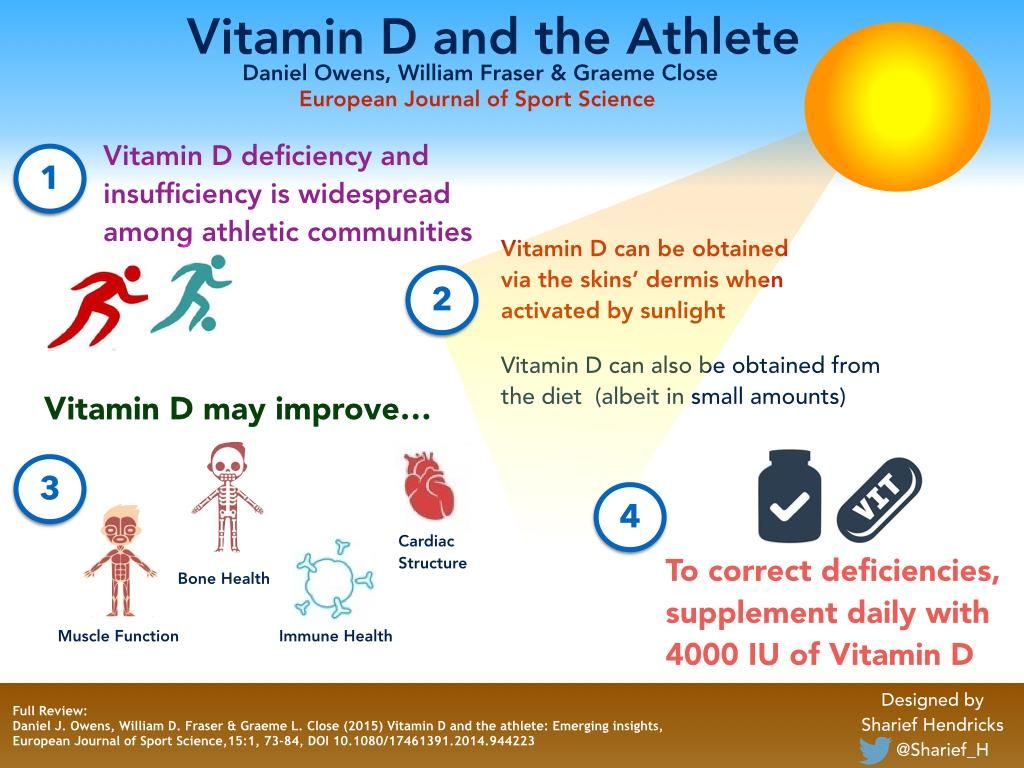
Winter sports demand more than grit. The cold squeezes joints, dampens breathing, and blurs recovery timelines. Yet, amid the glare of snow and the clatter of skis, one nutrient quietly courts performance: vitamin D. It’s often treated like a background character—important, perhaps, but not central. That’s the old way of seeing things. A shift in perspective reveals something more intriguing: vitamin D may be a molecular conductor, influencing how muscles generate force, how immune systems respond to seasonal stress, and how athletes bounce back when conditions grow harsh.
Vitamin D: The Winter-Locked Fuel
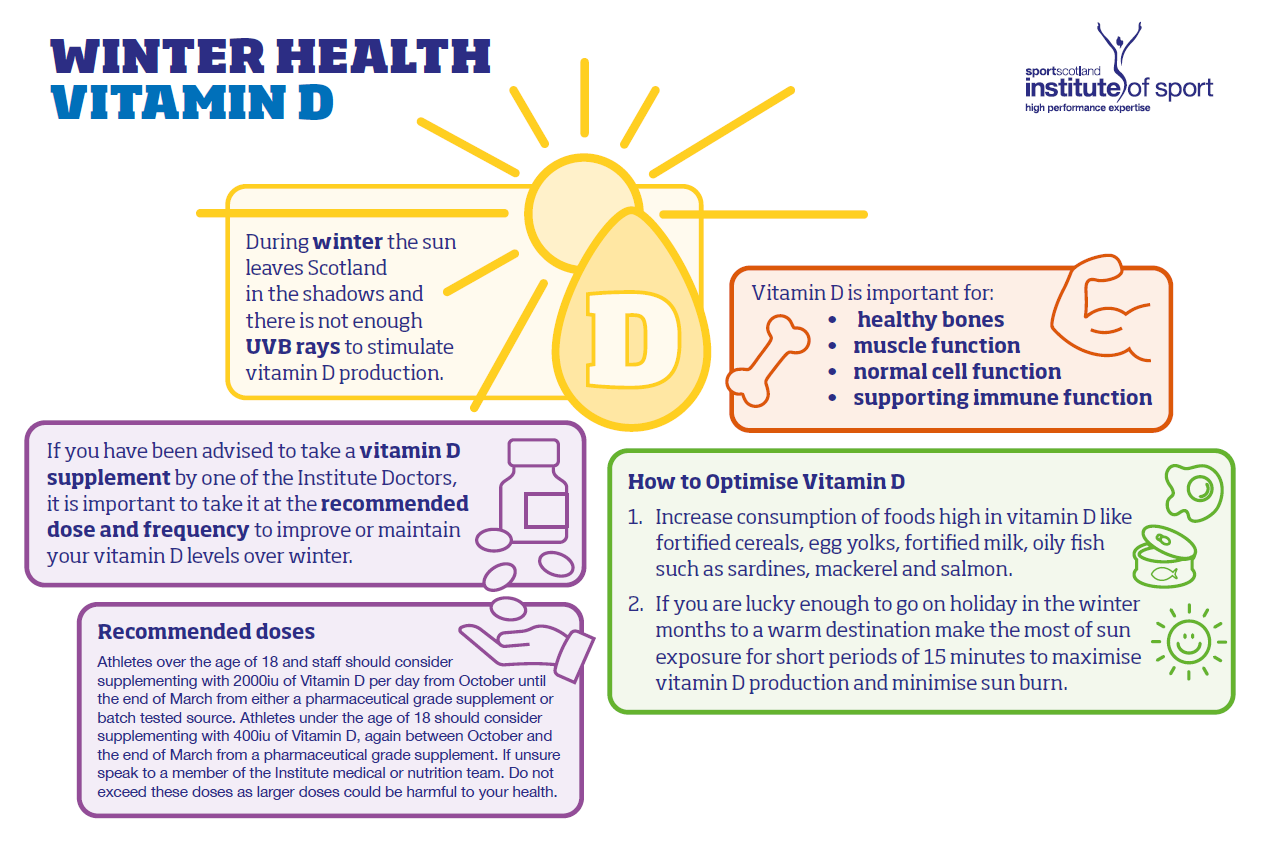
In many regions, winter daylight dwindles. Skin receives less ultraviolet-B exposure, the crucial starting point for vitamin D synthesis. The result can be a slow seasonal slide in vitamin D status—sometimes gradual enough to miss, until training quality begins to wobble. Think of it like a dimming headlamp: you can still move forward, but efficiency erodes.
Vitamin D isn’t only about bones. Its receptor is present in numerous tissues, including those involved in neuromuscular function and immune signaling. That means the story extends beyond calcium absorption. In winter, where recovery is already under pressure, the difference between “adequate” and “optimal” can feel sharper than you expect. Not dramatic like a lightning bolt—more like subtle steering corrections that suddenly make the car drive better.
Muscle Function and the Mechanics of Power
Performance in winter sports often hinges on repeatable power: explosive starts, sustained efforts on long climbs, and technical precision when fatigue accumulates. Vitamin D appears to participate in muscle physiology, including pathways tied to muscle cell differentiation and function. When vitamin D status is subpar, the body may become less efficient at coordinating contractions and regulating calcium-related processes within muscle fibers.
Short sentences, because the point is crisp: less coordination can mean less power. Less power can mean a higher perceived exertion. Higher exertion, especially in cold air, can snowball into earlier fatigue.
Vitamin D may also play a role in muscle performance indirectly through its involvement with inflammatory modulation. In winter, training stress stacks. If inflammation lingers longer than it should, muscles feel “heavy” and sluggish. Vitamin D, viewed through this lens, becomes less of a supplement and more of an internal adjustment mechanism—an attempt to keep the performance engine operating under winter’s frigid constraints.
Injury Risk: When Recovery Becomes the Main Event
Winter sports carry a higher likelihood of sudden strain: slips, falls, sudden braking, and the unpredictable choreography of ice and wind. But injury risk isn’t only about mechanics. It’s also about readiness—how well tissues recover between sessions.
Vitamin D intersects with bone health, which matters for athletes who load the skeleton repeatedly: skiers, snowboarders, figure skaters, speed skaters, and cross-country athletes. Adequate vitamin D supports mineralization processes. When levels are low, bones can become more vulnerable, particularly under repetitive stress.
There’s also a broader theme: vitamin D is involved in immune function, and infections can sideline athletes precisely when training volume is climbing. Even mild illnesses can disrupt neuromuscular adaptation. The quiet tradeoff becomes visible: a few days off here, a few sessions compromised there, and the season’s trajectory shifts.
Picture a timeline where training is a metronome. Vitamin D helps keep the beat steadier. Without it, the rhythm can jitter—small enough to hide, large enough to matter.
Performance Under Cold Stress: Breathing, Energy, and Focus
Cold environments are not merely uncomfortable; they change physiology. Airway responsiveness can be affected, and energy expenditure can rise due to thermoregulation. Athletes often focus on clothing, hydration, and warmups—rightfully so. But winter stress is multifaceted, and vitamin D may contribute by supporting immune resilience and regulating signaling pathways linked to inflammation.
When winter training includes long sessions outdoors, the body experiences both physical demand and environmental insulation stress. This is where the “shift in perspective” becomes practical: instead of asking only, “Can I tolerate the cold?” consider, “Is my internal operating system supported for winter?”
Vitamin D doesn’t replace the fundamentals—sleep, nutrition quality, technique, and periodization. It may, however, enhance how effectively those fundamentals translate into adaptation. The difference can be felt as improved consistency: more sessions completed, fewer setbacks, and a smoother climb toward peak form.
What Supplementation Can (and Cannot) Do
Expectations deserve boundaries. Vitamin D isn’t a magic accelerator. It won’t overwrite poor training decisions, insufficient protein intake, or inadequate recovery strategies. However, when deficiency exists, supplementation can help correct a bottleneck that quietly limits performance.
Here’s the intriguing part: athletes sometimes treat vitamin D as a general wellness checkbox. But winter sport performance is a specialized arena. The goal isn’t just “being within range.” It’s establishing a stable biochemical environment so training can express itself fully.
A smart approach includes assessing baseline status—typically through a blood test—and tailoring supplementation accordingly. Dosing strategies vary by individual needs, existing levels, body size, sun exposure patterns, and overall health. Consistency matters more than occasional enthusiasm.
Short metaphor: vitamin D is like winter-grade oil. You don’t notice it when everything is already lubricated. You notice it when the engine starts complaining at high load.
Timing and Nutrition Synergy: Turning Vitamin D into Action
Vitamin D works best when supported by dietary context. Fat-soluble nutrients often share absorption pathways, and pairing vitamin D with meals containing healthy fats can enhance uptake. This doesn’t mean turning every meal into a culinary detour. It means being intentional—especially around supplementation.
Some athletes prefer simpler routines: consistent timing with a main meal, easy to remember during busy competition weeks. Others integrate it into a broader nutrition protocol that includes magnesium-rich foods, adequate calcium intake, and overall micronutrient sufficiency. These aren’t gimmicks; they’re ecosystem thinking. The body rarely runs on a single input.
Hydration and carbohydrate availability also influence winter performance. When the body lacks fuel, recovery slows. Vitamin D can’t fix low energy availability. But by supporting immune stability and tissue maintenance, it may help recovery keep its appointment—even when winter tries to reschedule everything.
Winter Training Strategies That Pair Well With Vitamin D
Vitamin D belongs in the same conversation as periodization. If the season includes heavier training blocks, these are times when immune stress can rise and minor injuries can accumulate. It’s tempting to add more intensity rather than strengthen the recovery scaffolding.
Consider pairing vitamin D optimization with deliberate recovery practices: sleep consistency, mobility work that respects tissue tolerance, and gradual load transitions. Cold exposure practices—when done—should be intentional rather than accidental. The nervous system is sensitive in winter, and fatigue can become “sticky.”
Then there’s the mental dimension. Athletes often describe winter as a motivational tax: everything feels harder, even when fitness is adequate. Vitamin D’s role in immune function and inflammation signaling may support overall well-being, indirectly influencing mood, energy, and training adherence. That doesn’t guarantee better results. But it can create room for discipline to do its job.
Curiosity Check: Are Your Levels Quietly Shaping Your Season?
It’s easy to assume vitamin D is an issue only for people who rarely see sunlight. Winter athletes can get sunlight, but exposure may still be insufficient—especially when training is intense, skin is covered, and daylight is brief. Also, absorption and baseline status vary widely. What looks like “fine” on the outside can conceal a biochemical deficit.
Ask questions that feel practical: Do you spend most of the season indoors or under gear that limits UV exposure? Have you noticed more frequent colds? Are injuries or prolonged soreness appearing in patterns rather than random bursts? Are recovery timelines longer than expected?
These aren’t diagnoses. They’re breadcrumbs. Following them often leads to testing, targeted supplementation, and a more informed offseason plan. In that moment, vitamin D stops being an abstract nutrient and becomes a lever you can actually adjust.
A New Winter Mindset: Precision Over Assumption
The strongest winter athletes don’t only chase speed. They chase precision—technical precision, nutritional precision, recovery precision. Vitamin D fits naturally into that mindset. Instead of treating it as a generic supplement, treat it as a performance variable worth understanding.
When winter arrives with its icy demands, your body needs more than endurance. It needs internal steadiness. Vitamin D may help provide that steadiness through muscle support, immune resilience, and skeletal maintenance. It’s not the whole strategy. But it can be the missing thread that turns training effort into visible results.
Winter sports are a dialogue with the environment. The cold speaks loudly. Vitamin D helps ensure your body replies with clarity, consistency, and the quiet confidence of systems working at their best.