On GLP-1 therapy, the body often feels like a city rerouting its traffic. Appetite signals quiet down, glucose patterns grow steadier, and weight changes can arrive like long-scheduled tides. Yet beneath that visible transformation lies a quieter question: what happens to vitamin D—an essential “sunlight translator”—when energy intake, metabolism, and routine begin to shift? The optimum vitamin D level for patients on GLP-1 drugs isn’t just a number. It’s a compass reading for bone health, immune calibration, mood chemistry, and metabolic resilience.
Vitamin D as the Body’s Quiet Orchestrator
Vitamin D is more than a vitamin; it is a hormonal messenger. Once activated, it helps regulate calcium absorption, supports skeletal mineralization, and participates in immune modulation. Think of it as a stage manager in a theater. Even when the main actors (like GLP-1 pathways) steal the spotlight, the stage manager ensures every cue lands correctly.
For patients on GLP-1 medications, the relevance of vitamin D can become especially pronounced because weight changes and gastrointestinal side effects may subtly influence nutritional patterns. Some people eat less overall. Others experience nausea or altered meal timing. Over time, that can translate into reduced dietary vitamin D—particularly if fortified foods or supplements aren’t in place.
What “Optimum” Means: Measuring Vitamin D by 25(OH)D
The most informative blood test is typically 25-hydroxyvitamin D—often written as 25(OH)D. This marker reflects vitamin D status more reliably than many other measurements. “Optimum,” however, can mean different things depending on the clinical goal: bone health, fracture prevention risk, immune support, or correcting deficiency.
Common clinical targets often cluster in the moderate range where the likelihood of deficiency is low and physiological functions remain supported. Many clinicians aim for levels that clearly surpass deficiency thresholds, while still avoiding excessive concentrations. The body, after all, is not a scavenger. It is an engineer with tolerances.
Why GLP-1 Users May Be at Higher Risk for Low Vitamin D
GLP-1 drugs can reduce appetite and slow gastric emptying. These effects may change what arrives on the plate and when it arrives. Over months, lower caloric intake can become a nutritional narrowing—an inadvertent dietary “dietary monochrome,” where fewer food categories contribute key micronutrients.
Additionally, some patients become less active during early phases of weight loss. Sun exposure may drop. Winter seasons and indoor lifestyles can amplify this effect. Even without obvious symptoms, vitamin D stores can gradually erode.
Finally, vitamin D deficiency has a reputation for being silent. Fatigue, aches, or low mood can appear—but they can also be attributed to weight change, stress, or altered sleep. This is why a blood test often matters more than guesswork.
The Bone Health Bridge: Calcium, Parathyroid Hormone, and Strength
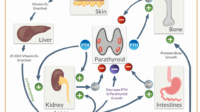
Vitamin D helps the gut absorb calcium. When vitamin D is low, calcium absorption may decline, and the parathyroid glands often compensate by increasing parathyroid hormone (PTH). Elevated PTH can pull calcium from bone, a process that may undermine long-term skeletal integrity.
In patients using GLP-1 medications—especially those experiencing rapid weight changes, limited protein intake, or reduced dairy/fortified intake—bone health deserves careful attention. Bone remodeling is not an on/off switch. It’s a continuous negotiation between formation and resorption.
Therefore, the “optimum” vitamin D level is often the level that keeps PTH in a comfortable range and supports steady mineral balance. This is the foundation beneath mobility, posture, and resilience.
Immune and Inflammatory Signaling: Beyond Sunscreen Marketing
Vitamin D plays a role in immune regulation, influencing inflammatory signaling pathways. While GLP-1 therapy can improve aspects of metabolic health, immune function remains complex and multifactorial. Vitamin D may help the immune system avoid both extremes—overreaction and under-response.
Picture the immune system as a lighthouse. It must be bright enough to warn of danger, yet not so erratic that it creates false storms. Adequate vitamin D contributes to that steadiness.
Patients with metabolic syndrome, insulin resistance, or chronic low-grade inflammation may notice that correcting vitamin D deficiency aligns with a broader optimization of health markers. Even if symptoms don’t immediately change, the biochemical scaffolding is being reinforced.
Mood, Energy, and the Neurosteroid Connection
Vitamin D receptors exist in multiple brain regions, and vitamin D contributes to neurosteroid-related pathways. Mood and energy changes are common during weight loss journeys—some driven by lifestyle shifts, others by appetite regulation, sleep changes, or psychological stress.
Low vitamin D can act like a dimmer switch. Restoring adequate levels may not create instant euphoria, but it can support the biochemical conditions for better energy regulation and emotional steadiness.
Short sentence, long echo: when the body’s internal lighting is corrected, daily life can feel a little more navigable.
Target Levels: Practical Ranges Clinicians Often Consider
Many clinicians consider deficiency at lower 25(OH)D levels and aim for a sufficiency range that reduces risk of bone-related complications. Some experts target levels in the higher end of conventional sufficiency, especially for people with documented deficiency, limited sun exposure, or risk factors for malabsorption.
What matters most is the individual context: baseline level, dietary pattern, sun exposure, body mass index, concurrent medications, and history of fractures or osteopenia. “Optimum” is not a universal trophy. It’s a personalized outcome.
For some, the optimum level is the one that normalizes lab values quickly and safely. For others, it’s the one that maintains stability across seasons and medication phases.
Supplementation Strategies: From Correction to Maintenance
When vitamin D is deficient, clinicians may recommend a structured approach: a correction phase to rebuild stores, followed by a maintenance phase to keep them steady. Dosing is highly individual and depends on the severity of deficiency and whether the patient has absorption issues.
Patients on GLP-1 therapy may benefit from taking vitamin D with meals containing some fat, since vitamin D is fat-soluble. If nausea occurs, timing matters. A gentle rhythm—rather than a harsh dose—often improves adherence.
Some people prefer vitamin D3 (cholecalciferol). Others may use combined regimens, especially if calcium intake is also low. Yet supplementing without checking baseline levels can be like tuning an instrument by ear while the orchestra is already playing—possible, but not ideal.
Food as a Supportive Ally: Fortification and Real-World Choices
Supplements can fill gaps, but food can strengthen the foundation. Fortified dairy, fortified plant milks, fatty fish, egg yolks, and certain mushrooms contribute to vitamin D intake. Even small, consistent additions can change outcomes over time.
GLP-1 users may struggle with appetite variability, so “easy-to-consume” vitamin D sources can be helpful—items that fit well with smaller meals. Think of nutrition as scaffolding: you want stable beams, not just occasional bursts.
If the diet becomes too restrictive, vitamin D may slide into insufficiency. Planning matters, even when appetite is reduced.
How Often to Recheck Levels While on GLP-1
Re-testing schedules vary, but a common strategy is to check baseline levels, correct deficiency if present, and re-evaluate after an interval that allows supplementation to stabilize blood concentrations. This avoids prolonged blind supplementation and supports safe dosing.
For patients in active weight-loss phases—especially those with known low baseline levels—follow-up testing can help prevent “over-correction” and ensure maintenance is truly adequate.
When a lab result improves, it can feel like a quiet victory. When it doesn’t, it’s not failure; it’s feedback.
Safety and Caution: Avoiding Vitamin D Excess
Vitamin D is powerful, and power requires precision. Excess vitamin D can lead to hypercalcemia, which may cause symptoms like nausea, constipation, confusion, and kidney-related concerns. This is why clinicians often balance the goal—adequacy—with the discipline of moderation.
Patients should avoid high-dose vitamin D regimens without guidance. The “optimum” level includes safety margins. A well-calibrated plan protects not only bones and immunity, but also renal comfort.
If calcium supplementation is used, it should also be coordinated with vitamin D status and dietary intake.
Bringing It Together: The Optimum Level as a Personalized Compass
The optimum vitamin D level for patients on GLP-1 drugs is best understood as a target that supports bone mineral balance, immune steadiness, and overall metabolic resilience. It’s influenced by baseline status, sun exposure, dietary patterns, weight-loss pace, and tolerance of supplements.
When vitamin D is adequate, the body’s systems feel less like competing departments and more like a unified orchestra. GLP-1 therapy can guide metabolic pathways; vitamin D helps ensure the structural and signaling foundations remain strong.
A Gentle Next Step: Clinical Conversation and Lab-Based Decisions
The most reliable pathway is a lab-based one: discuss vitamin D testing, interpret 25(OH)D results in context, and create a plan for correction and maintenance. This approach respects individuality and reduces guesswork.
When the conversation includes bone markers, dietary intake, and supplement timing, vitamin D becomes more than a nutrient. It becomes an intentional part of the health narrative—quiet, steady, and profoundly influential as GLP-1 reshapes the metabolic landscape.