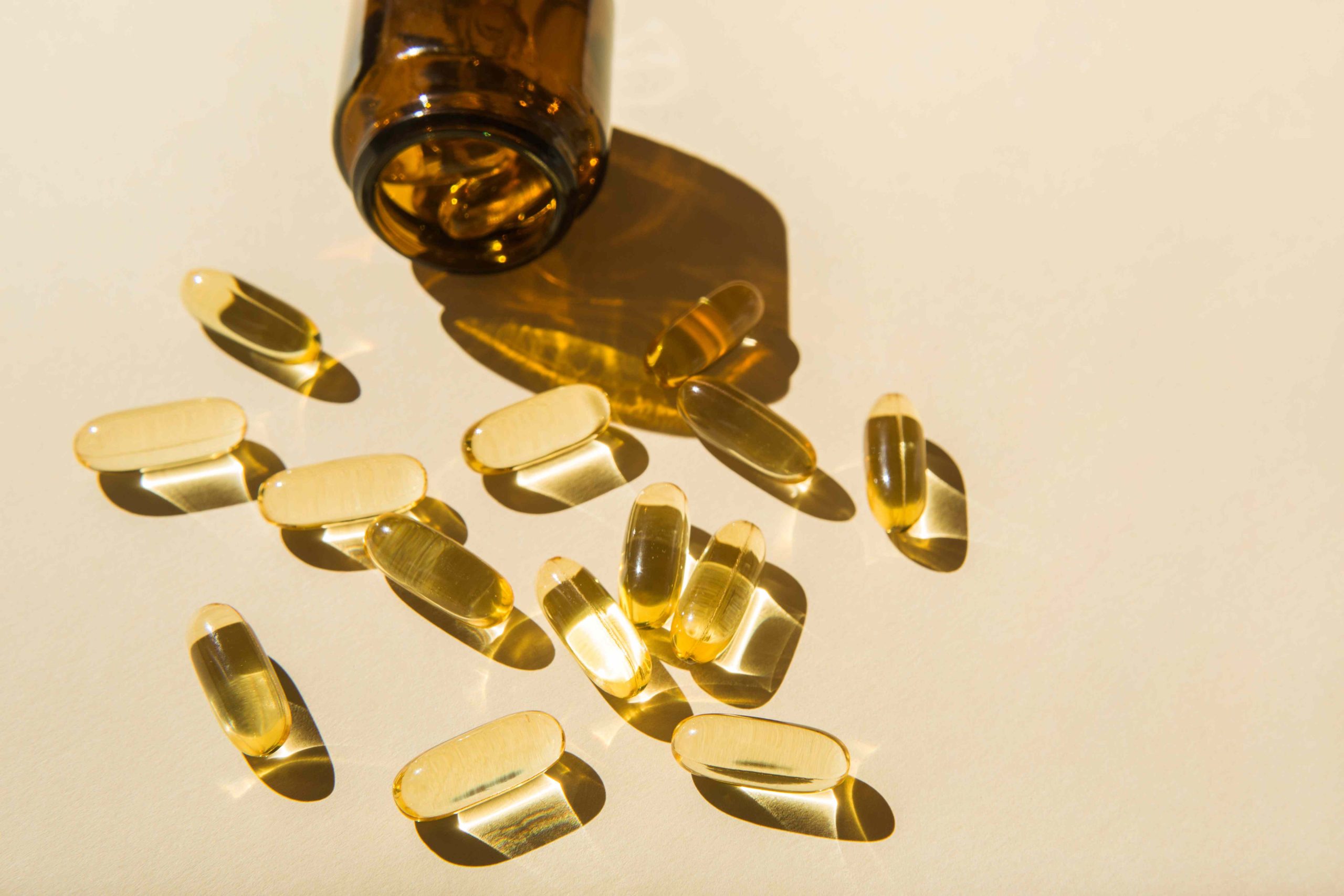
Picture this: you’ve finally committed to taking vitamin D—yet weeks later, you’re still wondering why your body doesn’t seem to “feel” any different. What if the culprit isn’t the dose at all, but the timing? The timing of vitamin D ingestion can influence how efficiently it’s absorbed, how quickly it rises in circulation, and even how consistently you hit your target levels. And here’s the playful challenge: can you outsmart your own schedule, or will your daily routine dilute the benefits like a badly mixed cocktail?
The Timing Question: Is Vitamin D Absorption a Clockwork Process?
Vitamin D is not a simple nutrient that magically diffuses into the bloodstream the moment you swallow it. Its journey is more like a relay race with multiple checkpoints: release from the tablet, mixing in the gut, absorption into enterocytes, transport through the lymphatic–hepatic network, and eventual conversion into bioactive forms downstream. Timing matters because your gastrointestinal environment changes throughout the day.
Consider that meals alter bile secretion, gastric emptying, and the availability of dietary lipids. Since vitamin D is fat-soluble, the presence—or absence—of fat in your digestive tract is not a minor detail. It can be a decisive variable. So the “optimal time window” isn’t a single universal hour; it’s a window shaped by your eating pattern, circadian rhythms, and typical meal composition.
Morning vs. Evening: A Tale of Two Digestive Landscapes
Many people assume morning is automatically best. After all, the day begins, and motivation follows. Yet absorption is biochemical, not motivational. Morning routines often collide with low-fat breakfasts, rushed schedules, and sometimes long stretches without food during sleep.
Evening ingestion, on the other hand, can coincide with a more complete meal. If your dinner contains healthy fats, that may enhance absorption. Still, nighttime has its own quirks: digestion slows, and some individuals have heavier meals that sit longer. That doesn’t necessarily mean “worse,” but it does mean the absorption kinetics may differ.
Rather than declaring a winner, it’s more accurate to ask: Which part of your day gives vitamin D the most supportive environment? For many, that’s the meal you actually eat consistently—often lunch or dinner—rather than the meal you skip or under-eat.
Meals Matter: The Fat-Carrier Effect and Why It’s Not Optional
Vitamin D travels along with lipids. That’s the core plot device. If you take it on an empty stomach, you may still absorb some fraction, but the process can be less efficient. When dietary fat is present, vitamin D can be packaged into micelles—tiny emulsified carriers that ferry fat-soluble compounds across the intestinal boundary layer.
Think of the gut as a bustling harbor. Without cargo handlers (bile and micelles), vitamin D docks awkwardly. With the right meal conditions, it docks smoothly. The “optimal time window” therefore often aligns with when your meals include a modest amount of fat, not merely when the clock says “morning.”
Practical implication: pair vitamin D with a meal that includes fats—such as olive oil, nuts, avocado, eggs, or dairy—rather than a purely lean or carb-only plate. Even a small amount of fat can be relevant, depending on the formulation and your physiology.
What Research Suggests About Pharmacokinetics: Absorption Peaks, Not Just Levels
Studies examining vitamin D pharmacokinetics often focus on how serum concentrations evolve after ingestion. The important nuance is that absorption isn’t simply “on” or “off.” It has a temporal contour: there can be an initial rise, a peak concentration window, and subsequent distribution into storage compartments.
When vitamin D is taken during certain periods of the day, the time to reach higher circulating levels may shift. That’s significant if your goal is not only to raise baseline vitamin D but also to establish more predictable kinetics. Some individuals find that consistent timing reduces the whiplash of inconsistent blood level changes.
Here is a conceptually helpful visualization of how experimental setups frame these timing-dependent outcomes:

The Real-World Challenge: Your Routine Might Be Working Against You
Now the playful part becomes practical: most people don’t take vitamin D at the same time under the same conditions every day. Weekdays differ from weekends. Travel disrupts meals. Stress changes appetite. Sleep schedules shift. Even the timing of coffee, calcium supplements, or multivitamins can create a cascade of interactions.
Try this mini test: ask yourself whether you take vitamin D with a meal that contains fat, at a consistent time. If the answer is “sometimes,” then your results may look erratic—even if your total weekly dose is the same.
Another subtle challenge is formulation. Some products are designed for improved absorption, while others rely on typical dietary conditions. If you switch brands, your “optimal time window” might not stay identical. Your best strategy is to treat timing as a controllable experiment: keep dose and formulation stable, and adjust the ingestion window while tracking how you respond over time.
How to Choose Your Optimal Window: A Personalizable Framework
Instead of searching for a single universal “best hour,” use a structured approach:
1) Pick a meal you reliably eat. Consistency beats perfection. If dinner is consistent, it becomes the prime candidate.
2) Ensure the meal contains some dietary fat. You don’t need a feast; you need carrier conditions.
3) Avoid stacking with practices that blunt absorption. Large spacing gaps are sometimes helpful or harmful depending on what you combine it with. Keep supplements separate from certain minerals when necessary.
4) Track your response. Blood tests provide the cleanest feedback, particularly if you’re correcting a deficiency or optimizing levels.
This framework is almost mischievous in its simplicity. It turns vitamin D timing from a vague hope into a disciplined regimen.
Potential Role of “Absorption Speed”: Why Highest Absorption Isn’t Always the Only Goal
Some discussions revolve around the idea of “highest absorption” at a specific time of day. That can be compelling, but it may not be the only metric that matters. For long-term outcomes, what matters is often the average exposure over days and weeks, as well as how consistently your body can maintain adequate circulating levels.
Even if one window yields a faster rise, the stability you achieve by taking vitamin D reliably may matter more. In other words, a sub-maximal window done consistently can outperform a maximal window that you miss repeatedly.
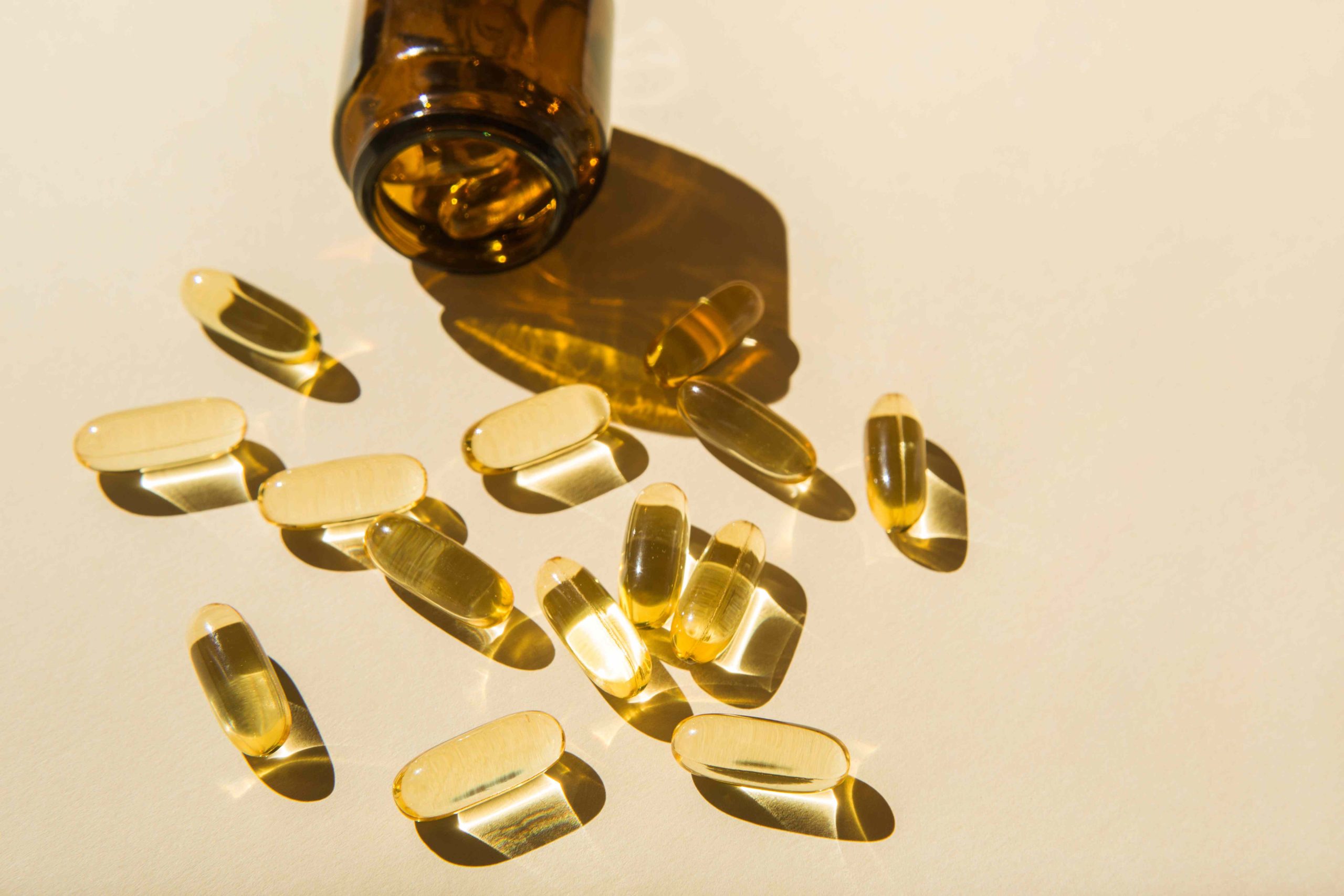
For an intuitive visual sense of time-and-absorption framing, consider this illustration:
Implementation: A Simple Routine That Respects Your Biochemistry
If you want a routine that respects the fat-soluble logic, start with a rule you can actually follow. Take vitamin D with a meal that contains healthy fats. Keep the timing consistent—within an hour or so—whenever possible. If you change your schedule, aim to keep it within the same meal category (for example, always with lunch or always with dinner).
Also, give it time. Vitamin D status doesn’t snap into place overnight. Several weeks may be needed to see stable shifts, depending on baseline levels, dose, and individual metabolism. If your clinician recommends retesting, treat it as a data point—not a verdict.
Final Thoughts: The Clock Doesn’t Win—Consistency Does
So what is the optimal time window for vitamin D absorption? Often, it’s less about an exact hour and more about aligning intake with meal conditions and your daily rhythm. The gut is responsive to context. When vitamin D meets dietary lipids at the right moment, absorption can become more efficient. But when life interrupts your schedule, the “perfect time” loses power.
Choose a window you can defend, not one you merely admire. That’s the strategy that turns research insights into durable outcomes—without turning your routine into a daily stress test.
Quick Checklist for Your Next Dose
✔ Take vitamin D with a meal containing fat
✔ Keep timing consistent (meal-based consistency is key)
✔ Avoid frequent random dosing across the day
✔ Reassess with labs if correcting deficiency or optimizing