It’s a curious pattern: the same nutrient that gardeners and grandparents associate with sunlight also seems to shadow two of the body’s most intricate routines—sleep and immune vigilance. People notice it in small ways first. A dreary, low-light season feels like it drags down energy and resilience. An inconsistent bedtime feels like it “turns down” defenses. Then the conversation quietly shifts toward Vitamin D, as if it were a backstage conductor coordinating the stage crew for both rest and immunity.
Why Sleep Feels Personal, and Immunity Feels Invisible
Sleep is tangible. It can be counted in hours, felt in mood, and measured by the sharpness of tomorrow’s decisions. Immunity, by contrast, is less visible—more like an ongoing logistics operation than a single dramatic battle. Yet the two are not separate stories. When sleep fractures, the immune system behaves as if its schedule has been scrambled: inflammatory signals become harder to balance, and the timing of cellular responses can lose precision.
That’s why the common observation—“bad sleep makes you more likely to get sick”—is more than a folk saying. It’s a reflection of neuroendocrine rhythms and immune cell trafficking, two processes that share a clockwork architecture. Vitamin D enters this narrative not as a magic switch, but as a regulator with molecular reach, influencing how immune cells interpret the body’s internal environment.
Vitamin D: Not Just a Vitamin, a Messaging System
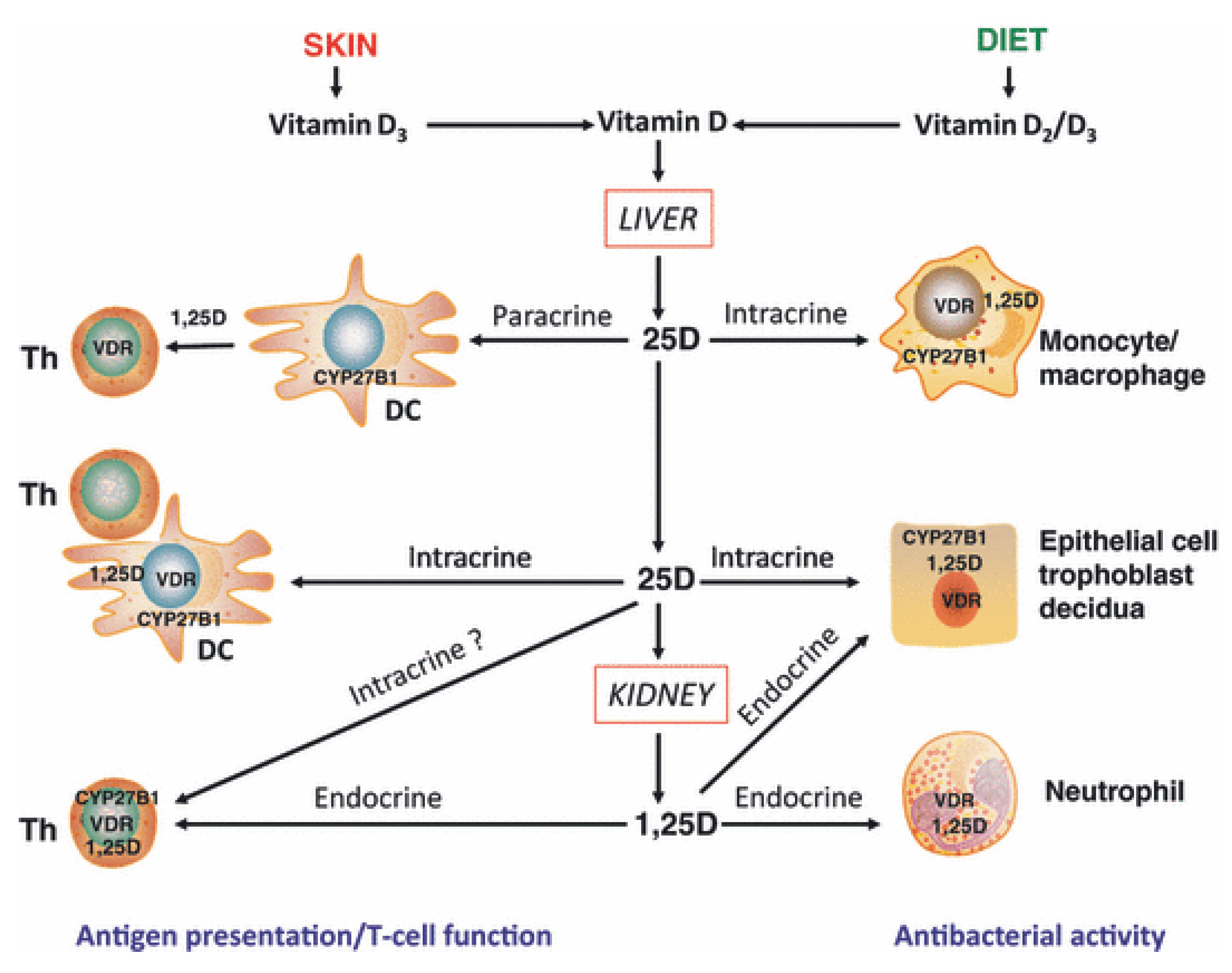
Vitamin D is often discussed as though it were a single nutrient with a single job. In reality, it behaves more like a widespread signaling language. After conversion in the body, its active form can influence gene transcription through Vitamin D receptors present in many cell types, including immune cells. This means Vitamin D doesn’t merely support immunity in a general way; it can calibrate immune behavior—how aggressively the system responds, how it resolves inflammation, and how it maintains a sense of proportionality.
And proportionality matters. Too much inflammation can damage tissue; too little immune alert can leave pathogens in the driver’s seat. The fascination is that Vitamin D appears to help the body “thread the needle” between reactivity and restraint.
The Immune System’s Sleep-Adjacent Architecture
During sleep, the body doesn’t shut down so much as it reorganizes. Immune functions oscillate across the night, influenced by circadian rhythms and hormonal signals. Some aspects of the immune response are enhanced, others are tempered, and still others are synchronized to optimize defense and repair.
Think of the immune system like a vigilant city guard network. Sleep is when routes are planned, communications are clarified, and resources are repositioned. Without adequate sleep, this choreography becomes erratic—responses may be delayed, amplified, or misrouted. That kind of disarray is precisely where a “tuning” factor such as Vitamin D becomes interesting, because tuning implies adjustment rather than replacement.
How Vitamin D Might Shape Sleep Quality
Sleep quality is not only about the absence of wakefulness; it’s about the presence of restorative depth. Several pathways may connect Vitamin D status with sleep characteristics. One involves neuroimmune crosstalk, where immune signaling influences brain circuits that govern arousal threshold and consolidation of sleep. When inflammation-related signals are elevated, sleep can fragment—even if total time in bed remains similar.
Vitamin D may also influence the production of molecules associated with neural function and stress modulation. Shorter versions of this story feel simplistic (“Vitamin D helps you sleep”). The deeper version is more elegant: Vitamin D may reduce inflammatory noise and support a neurobiological environment that allows sleep to proceed smoothly.
In other words, the link may be less about sedation and more about stabilization—helping the body maintain the biochemical calm required for uninterrupted rest.
The Role of Melatonin: Where Darkness Becomes Chemistry
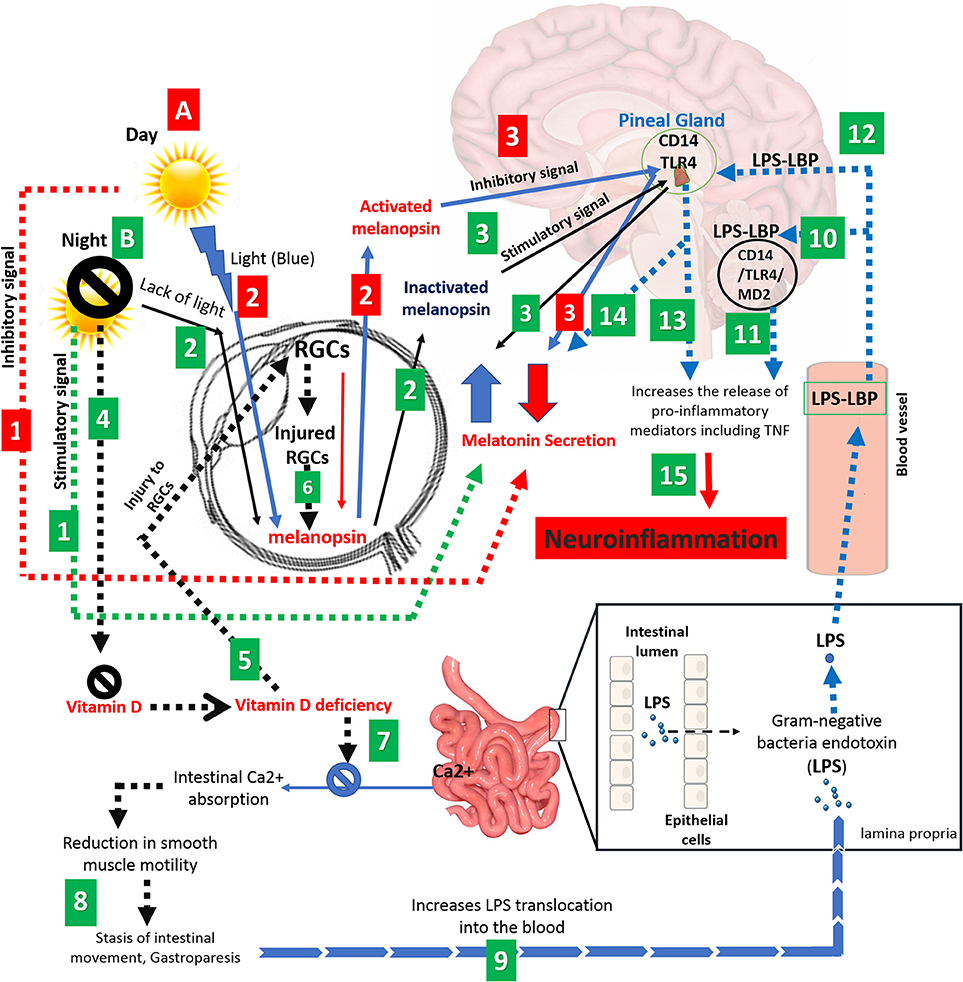
Melatonin is often described as the hormone of darkness, a message that arrives with nightfall to tell the brain when to step into rest mode. The interaction between Vitamin D and melatonin has intrigued researchers because both are tied to light exposure and circadian timing. If Vitamin D helps shape immune readiness, and melatonin helps shape sleep timing, their overlap becomes conceptually compelling.
One possibility is that Vitamin D supports the immune-modulating environment that allows melatonin’s effects on inflammation to be expressed more effectively. Another possibility is that adequate Vitamin D helps the body respond better to the nightly transition—less “overshoot” in inflammatory mediators, more coherent evening chemistry.
Short sleep can reduce melatonin signaling; altered circadian rhythms can also influence immune patterns. So the relationship may operate bidirectionally: Vitamin D status could influence sleep-related hormonal tone, and sleep quality could, in turn, influence immune outcomes.
Inflammation, Cytokines, and the Gentle Art of Balance
To understand the Vitamin D–sleep–immune triangle, cytokines provide a practical lens. Cytokines are chemical messengers used by immune cells to coordinate responses. Some cytokines rise during infection, others promote resolution and repair. Sleep deprivation can shift cytokine patterns, often toward a more inflammatory profile. That shift can contribute to fatigue, aches, and a general sense of being “under the weather.”
Vitamin D’s immune influence may help return inflammatory signaling to a healthier range. If inflammation is excessive, sleep may become less consolidated. If inflammation is well regulated, sleep can be more restorative, and immune recovery may proceed with greater efficiency.
That is the deeper reason for fascination: the body appears to be running an integrated system of signals. The sleep stage is not separate from the immune stage—it’s the same theater, performed on different nightscapes.
Innate Immunity vs. Adaptive Immunity: Different Cast Members, Shared Timing
The immune system includes both innate responses (fast, pattern-based defense) and adaptive responses (slower, highly specific learning). Vitamin D may influence both arms, but the timing of those influences can be crucial. Sleep affects not just how quickly immune cells respond, but also how they interact and how memory formation proceeds.
For instance, adaptive immunity relies on precise cellular coordination. Poor sleep can undermine aspects of immune learning, contributing to weaker responses over time. Vitamin D, by shaping immune cell function at the molecular level, may indirectly support more effective immune learning—especially when sleep is adequate enough to allow the body to complete nightly repair processes.
The key idea is integration: Vitamin D and sleep may not be competing explanations. They may be cooperative moderators of immune competence.
Light, Latitude, and the Seasonal Mood of Physiology
Sunlight is the upstream story for Vitamin D, and darkness is the upstream story for melatonin and sleep timing. That means geography and season can act like hidden editors, shaping how readily people synthesize Vitamin D and how consistently their circadian rhythms are anchored.
In winter months, reduced daylight can lower Vitamin D production and also change the pattern of evening light exposure—both factors that can influence sleep quality. It’s not merely about comfort; it’s about biochemical alignment. When daylight signals weaken, the body may experience drift: sleep becomes less reliable, and immune regulation can become harder to maintain.
This seasonal overlap explains why so many people report a “heightened susceptibility” during colder months. The story feels personal because it’s embodied; yet it’s also systemic because many body systems are responsive to light cues.
What About Supplements? Thinking Beyond the Hype
Because Vitamin D is tightly linked to sunlight, it’s tempting to treat supplements as a straightforward solution. But the body’s regulation is rarely that linear. Supplementing without context can be unhelpful, and in some situations, excessive intake can create problems. The more thoughtful approach is to treat Vitamin D status as a variable worth assessing—then consider whether sleep improvements and immune support are aligned goals.
It’s also worth noting that sleep hygiene and circadian consistency can amplify or blunt the benefits of nutritional support. If the body’s nightly rhythm is constantly disrupted by late screens, irregular bedtimes, or stress-driven arousal, immune recovery may remain impaired even when micronutrients are optimized.
In practice, the most compelling narrative is synergy: adequate Vitamin D may provide molecular tuning, while good sleep provides temporal structure—two halves of a coordinated defense strategy.
When to Pay Extra Attention: Clues Your System May Be Drifting
Some people are not just “a little tired.” They experience recurrent infections, persistent fatigue, or frequent sleep fragmentation. While these symptoms have many causes, they can overlap with inadequate micronutrient status or circadian instability. People often notice patterns: symptoms appear after travel, during winter, or after a prolonged period of poor sleep.
If Vitamin D deficiency is plausible—based on limited sunlight, dietary patterns, or individual risk factors—investigating Vitamin D status can be a rational step. Coupling that with sleep consistency—consistent wake times, reduced evening light exposure, and stress-calming routines—can address both the biochemical and temporal drivers.
Summary: The Triangle of Daylight, Nighttime, and Immune Intelligence
The link between Vitamin D, sleep, and immune function is compelling precisely because it respects complexity. Vitamin D contributes to immune regulation through receptor-mediated signaling. Sleep orchestrates immune balance through circadian rhythms and nightly recovery. Melatonin and light exposure bridge the two, turning darkness into a biochemical timetable.
So when someone says, “I slept poorly and got sick,” the explanation may be more than coincidence. The body may have been missing a full-featured night reset—while immune signaling operated with reduced coordination. Vitamin D, for its part, may provide molecular calibration that helps the system respond with steadier intelligence.
In the end, fascination arises from a satisfying truth: your days and nights are not separate regimes. They’re a single integrated program—written in light, executed in sleep, and adjudicated by immunity.