Endometriosis has a way of turning ordinary life into an endurance event—cyclic pain, unpredictable fatigue, and a sense that the body is working against itself. In recent years, an unlikely storyline has been gaining momentum: vitamin D. Not as a cure-all, not as a magic bullet, but as a biologically plausible contributor to immune balance, inflammatory tone, and reproductive health. The link is emerging—still being mapped—yet intriguing enough to shape how clinicians think about risk, symptom patterns, and adjunct care.
Why Endometriosis Is So Complicated (and Why Vitamin D Enters the Conversation)
Endometriosis involves endometrial-like tissue growing outside the uterine cavity. It can inflame the pelvic environment, remodel tissue architecture, and interfere with fertility. What makes it especially difficult is that it behaves less like a single disease and more like a constellation of interacting processes—immunologic surveillance, oxidative stress, hormonal signaling, and angiogenesis (the formation of new blood vessels).
Vitamin D—often discussed as a “sunshine vitamin”—actually functions more like a hormone regulator. Its active form can influence gene expression related to immunity and inflammation. When you connect that to endometriosis’ inflammatory and immune dimensions, the hypothesis becomes hard to ignore. The emerging research doesn’t claim vitamin D is the cause. Instead, it suggests vitamin D status could modulate the environment in which endometriosis thrives.
Understanding Vitamin D Biology: More Than Bone Health
Most vitamin D comes from cutaneous synthesis triggered by ultraviolet exposure, while diet contributes smaller amounts. Once processed in the liver and kidneys, vitamin D becomes biologically active and binds to vitamin D receptors found in many tissues, including immune cells and reproductive organs.
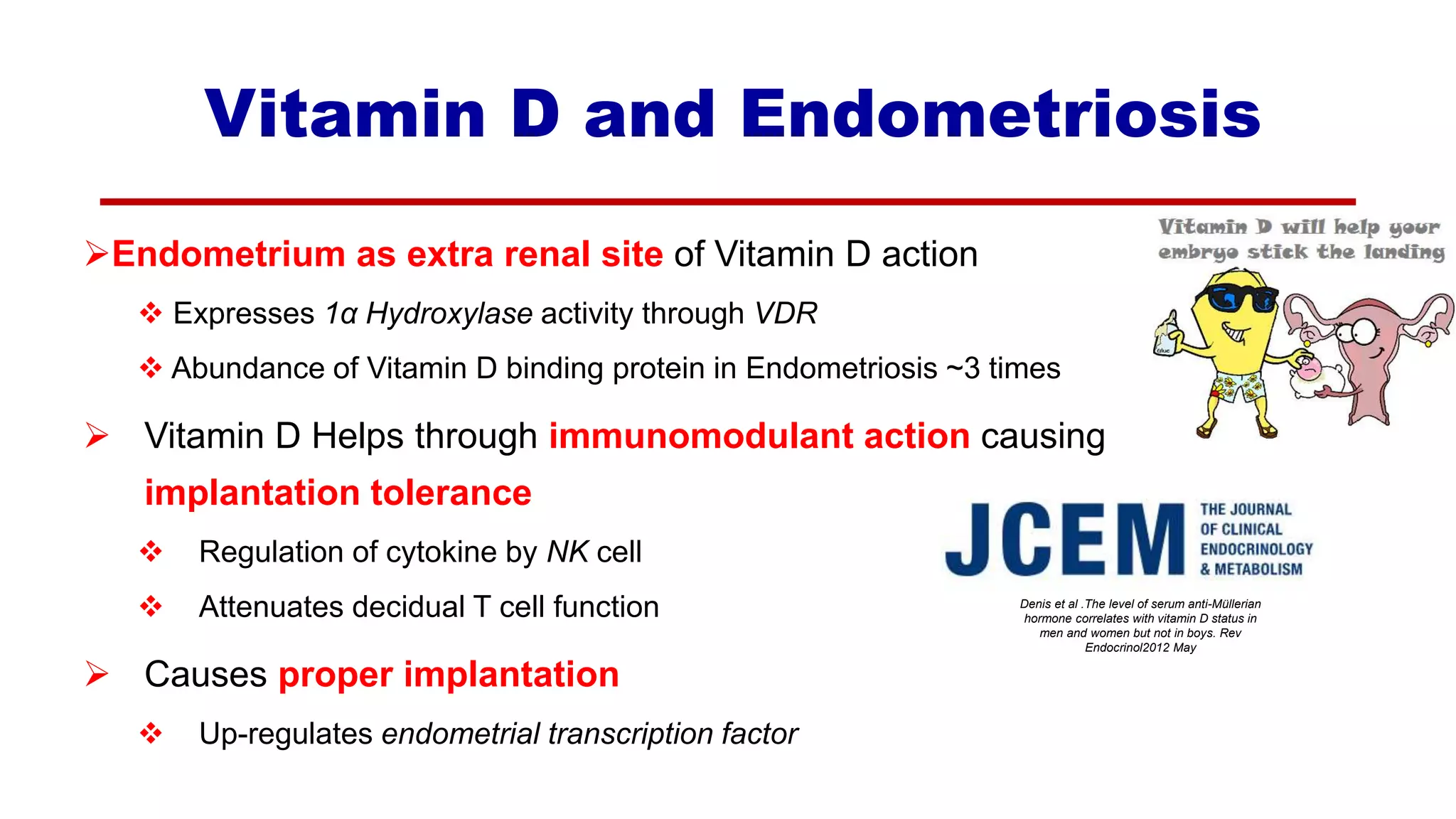
This matters because endometriosis is intimately tied to immune dysregulation. Vitamin D can influence how inflammatory cytokines behave and how immune cells recognize and respond to aberrant tissue. In plain terms: it may help tune the immune “volume” rather than silencing it entirely.
Immune Modulation: A Plausible Mechanism for Endometriosis
In healthy physiology, the immune system helps clear cells that shouldn’t be where they are. Endometriosis may involve a failure—or at least a mismatch—between what the immune system detects and what it eliminates. Vitamin D is associated with regulatory immune effects, including the promotion of immune pathways that prevent excessive inflammation.
Some researchers propose that lower vitamin D levels could tilt the immune balance toward a pro-inflammatory state, giving ectopic endometrial tissue a better chance to persist. Even if vitamin D doesn’t start the process, it might influence how aggressively the body responds to it.
That is an uncommon but important distinction: modulation is not the same as initiation. Yet modulation can still affect symptoms, progression, and quality of life.
Inflammation and Oxidative Stress: The Inflammation Narrative
Endometriosis is characterized by chronic inflammation. Inflamed tissues produce a cascade of signaling molecules that can amplify pain, alter local tissue remodeling, and recruit additional inflammatory mediators. Vitamin D’s role in dampening certain inflammatory processes has led to the idea that vitamin D insufficiency could worsen the inflammatory “thermostat,” causing a more hostile pelvic microenvironment.
Oxidative stress may also contribute. When reactive molecules accumulate, they can damage cellular components and influence angiogenesis and tissue remodeling. Vitamin D is studied for its potential to influence oxidative pathways and cellular stress responses—another plausible bridge between deficiency and endometriosis symptoms.
Hormonal Signaling: A Reproductive Systems Perspective
Endometriosis is hormone-responsive, particularly to estrogen. Hormonal signaling affects cellular proliferation, tissue survival, and inflammatory activity. Vitamin D is not an estrogen replacement, but it can intersect with hormone-related pathways through gene regulation and receptor cross-talk.
One emerging theory is that vitamin D may influence enzymes involved in steroid metabolism and may alter how cells respond to estrogenic stimulation. In other words, vitamin D could be part of the “translation layer” that determines whether hormonal signals become inflammatory fuel or remain relatively quiet.
This is why the conversation is increasingly framed through systems biology rather than isolated nutrients.
Endometriosis Types and Vitamin D: Could Severity Change the Pattern?
Endometriosis is not a single uniform entity. Some people experience severe symptoms with minimal visible lesions, while others have more extensive disease with different symptom profiles. There are also different manifestations—superficial peritoneal lesions, ovarian endometriomas, and deep infiltrating disease.
Emerging research explores whether vitamin D status correlates differently across these categories. It’s conceivable that vitamin D deficiency may be more strongly associated with certain inflammatory phenotypes or with specific lesion types. The relationship may also be bidirectional: chronic pain and fatigue can change behavior patterns (less outdoor activity, more indoor time), which can further reduce vitamin D levels.
That feedback loop complicates interpretation, but it also explains why findings can vary across studies.
Symptoms and Quality of Life: Pain, Fatigue, and Beyond
Most people who seek information about vitamin D do so because they’re trying to understand symptoms—especially pelvic pain, painful periods, and discomfort related to bowel movements or intercourse. Vitamin D’s potential anti-inflammatory and immune-stabilizing effects create a plausible reason it might affect symptom intensity.
However, symptom experiences are multifactorial. Sleep disruption, stress physiology, individual pain sensitivity, and baseline inflammatory status can all influence how pain manifests. Vitamin D may be one thread in a larger fabric.
Readers should look for research framed around symptom measures and quality-of-life instruments—because endometriosis is lived, not merely observed.
Fertility and Endometriosis: Where Vitamin D Fits in the Fertility Equation
Endometriosis is frequently discussed in relation to fertility, including challenges with ovulation, tubal function, and embryo implantation. Fertility outcomes depend on multiple variables: age, ovarian reserve, sperm quality, uterine receptivity, and the immunologic environment in the reproductive tract.
Vitamin D may influence reproductive health through immune regulation and through effects on endometrial function. It’s also studied for potential roles in implantation readiness and follicular development—mechanisms that, if confirmed, would make vitamin D an actionable modulator rather than a passive bystander.
Importantly, vitamin D is not a standalone fertility treatment. Yet in a comprehensive fertility plan, addressing deficiencies can sometimes strengthen baseline conditions and reduce inflammatory noise.
What the Emerging Evidence Suggests (and What It Cannot Prove Yet)
Current findings are best described as associative and mechanistic rather than definitive. Many studies examine vitamin D levels and compare them with endometriosis presence, symptom severity, or reproductive outcomes. Some suggest that lower vitamin D is more common in people with endometriosis, and others explore whether deficiency correlates with more intense disease patterns.
Still, association does not equal causation. Low vitamin D could be a risk factor, a consequence of lifestyle changes, or a marker of broader health differences. The most clarifying studies are randomized controlled trials that evaluate whether supplementation changes outcomes beyond correcting a deficiency.
Until then, the most responsible narrative is probabilistic: vitamin D could matter, but it is not a universal determinant.
Supplements, Testing, and Safety: Practical Considerations Readers Can Use
If vitamin D is part of your endometriosis conversation, the most rational starting point is testing—measuring 25-hydroxyvitamin D, the common marker of vitamin D status. Dosing should be personalized, especially for individuals with low baseline levels, malabsorption concerns, kidney disease, or concurrent medications.
There is also the question of timing. Should supplementation occur before conception attempts, during fertility treatment, or throughout symptom cycles? These are not merely logistical details. Timing could affect how vitamin D interacts with inflammation patterns and reproductive processes.
Safety matters. Over-supplementation can lead to elevated calcium levels and other complications. The goal is sufficiency, not excess.
Diet, Sunlight, and Lifestyle: The Wider Ecosystem That Shapes Vitamin D
Vitamin D is influenced by more than pills. Sunlight exposure, geographic latitude, seasonality, skin pigmentation, clothing habits, and time spent outdoors all affect status. Dietary sources exist—fatty fish, fortified foods, and certain nutrients—but diet alone may not reliably correct deficiency for everyone.
Because endometriosis often involves pain and reduced mobility during flare-ups, an individualized lifestyle approach can be helpful: safe, consistent outdoor exposure when possible; movement strategies that do not aggravate symptoms; and nutrition planning that supports anti-inflammatory patterns.
These choices are not substitutes for medical care. They are supportive measures that can stabilize the physiological background where endometriosis unfolds.
How to Talk About Vitamin D With a Clinician (Without Losing Nuance)
Readers often encounter vitamin D discussions framed as certainty. The emerging reality is more nuanced. A productive conversation should cover baseline testing, symptom goals, fertility plans, and risk factors. It should also include realistic expectations: supplementation may help optimize immune and inflammatory conditions, but it is not guaranteed to eliminate endometriosis.
Ask about individualized dosing, monitoring intervals, and how vitamin D will fit alongside other interventions—pain management strategies, hormonal therapies, pelvic floor support, and, when relevant, fertility protocols.
That approach preserves agency while remaining evidence-informed.
What to Look For Next: Research Directions Worth Watching
The next wave of research is likely to focus on stratification—identifying which subgroups benefit most from correction of vitamin D insufficiency. Researchers may also explore vitamin D receptor variants, which could explain why some people appear more sensitive to deficiency than others.
Longitudinal studies and randomized trials will be pivotal. Evidence that tracks symptom trajectories, inflammatory biomarkers, and fertility outcomes over time will sharpen the picture considerably.
If the link is real, the most valuable outcomes will be practical: fewer flare-ups, improved quality of life, and better reproductive success—measured with rigor, not optimism.
Images: Visualizing the Conversation
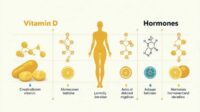
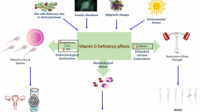
Sometimes it helps to see how vitamin D is presented in educational materials—especially when readers compare mechanisms, infertility framing, and endometriosis-focused narratives.

Bottom Line: Emerging, Not Final—But Worth Considering
The link between vitamin D and endometriosis is emerging because the biological scaffolding makes sense: immune modulation, inflammation regulation, oxidative stress management, and reproductive system effects all provide plausible routes for vitamin D to influence disease conditions. Yet the science is still assembling itself.
If you’re navigating endometriosis, vitamin D should be approached with balance. Test for deficiency, discuss personalized supplementation, and integrate lifestyle strategies that support overall health. Then keep the expectation properly calibrated—vitamin D may help optimize the terrain, but endometriosis typically requires a multifaceted plan.
In a landscape full of absolutes, that measured perspective is the most empowering form of guidance.