There’s a quiet paradox hiding in plain sight: two people can live the same kind of lifestyle, eat similarly, and still experience different bone outcomes. One person’s skeleton seems to “hold steady” with relative ease; the other feels as though their bones demand extra support, even when the basics are seemingly covered. The answer often isn’t effort or willpower—it’s biology. Specifically, genetics can quietly recalibrate how much vitamin D your body needs to maintain mineral-rich bone strength.
Vitamin D: More Than a Sunshine Story
Most people hear “vitamin D” and think of sunlight. And yes, the skin can manufacture vitamin D after exposure to UVB radiation. But vitamin D is not a simple nutrient you either have or don’t. It’s a biochemical informant, giving instructions that travel through multiple pathways before bones receive the final message.
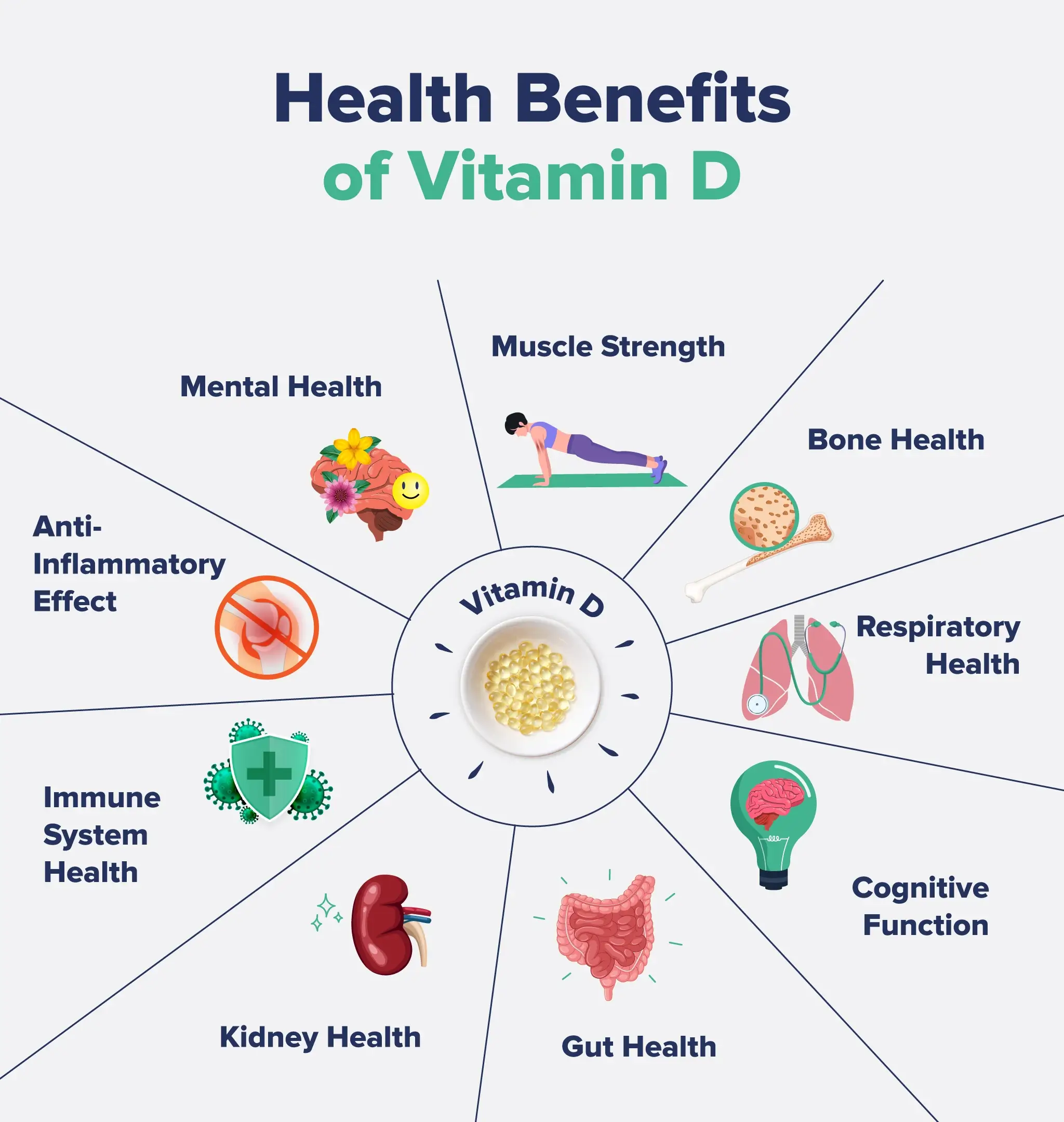
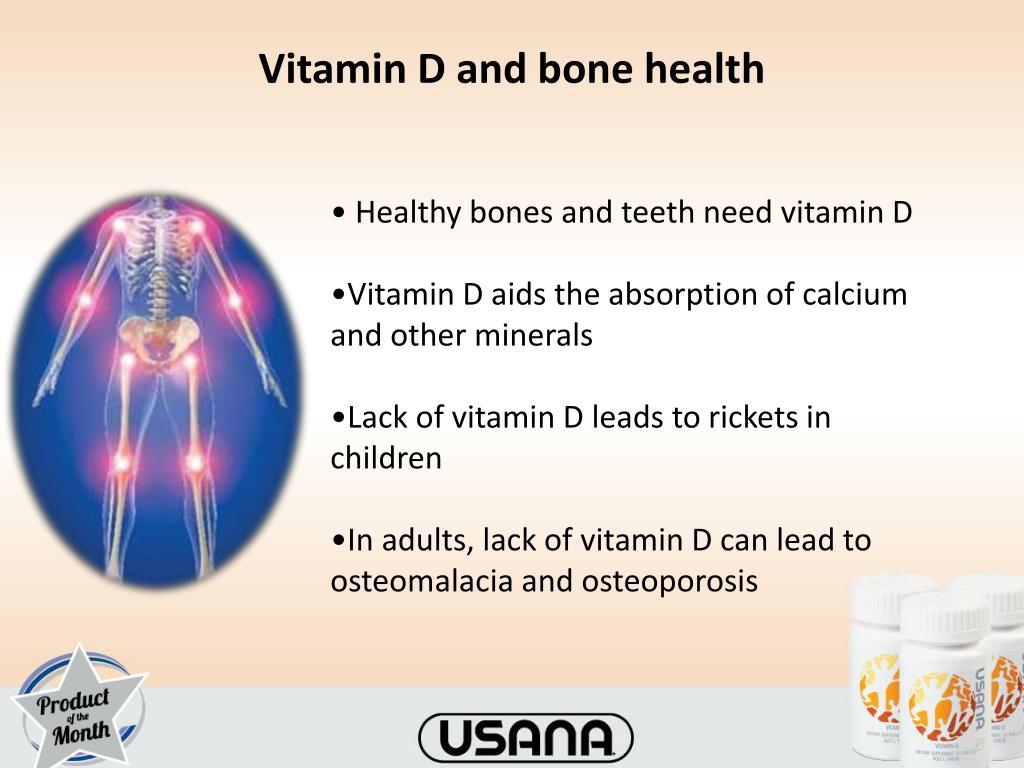
Once vitamin D is made or obtained through diet, it undergoes transformations in the liver and kidneys, becoming the active form that influences calcium absorption and bone remodeling. In other words, your bones don’t just need vitamin D present—they need it to be processed efficiently and interpreted correctly by the systems that govern mineral balance.
Genetics Can Set the Volume on Your Vitamin D Needs
Imagine your body as a well-designed instrument. Genetics determines tuning. That tuning affects how strongly you respond to vitamin D circulating in your bloodstream. Some people are genetically predisposed to convert vitamin D more effectively, bind it more efficiently, or activate the signals that regulate calcium and phosphate handling.
For others, the same “level” of vitamin D may not translate into equivalent biological impact. Their bodies may require a higher concentration to achieve the same downstream effects. This can influence susceptibility to low bone mineral density, slower recovery from bone stress, or a greater tendency toward osteoporosis later in life.
Rather than viewing vitamin D requirements as a fixed recommendation, it becomes more accurate to see them as a personalized target range—one shaped in part by inherited variation.
The Vitamin D Receptor: Your Cellular Interpreter
At the center of the story is the vitamin D receptor (VDR). This receptor acts like a cellular interpreter: it reads vitamin D’s signal and triggers gene expression related to bone health. When genetic variations affect the receptor’s sensitivity or function, the same vitamin D level can produce a different “message strength.”
Some people have VDR variants that make the receptor less responsive or less efficient. In that scenario, the body may struggle to regulate calcium absorption and bone turnover as effectively, especially during seasons with less sunlight or when diets are light in vitamin D.
The result can be a subtle shift: bones may be remodeling too aggressively, or calcium may not be delivered as reliably to the bone-building process. The fascinating part is that this difference often isn’t visible from the outside—until you look at outcomes, labs, or risk patterns.
Binding Proteins and Transport: How Vitamin D Gets Delivered
Even before vitamin D can be used, it has to travel. Vitamin D circulates largely bound to specific carrier proteins. Genetics influences how tightly these proteins bind vitamin D, which can alter the availability of vitamin D to tissues.
Think of transport as the delivery network. If delivery is inefficient—or if the “parcel” spends too long in a storage compartment—bones may receive less effective vitamin D even when blood levels look “okay” on a superficial check.
That’s why some individuals may experience a disconnect between standard measurements and true functional status. It’s not that their bodies are failing; it’s that their internal logistics may be configured differently.
Bone Remodeling Genes: The Remodeling Dial
Bones are not static. They’re constantly remade through a coordinated dance between osteoblasts (builders) and osteoclasts (breakers). Vitamin D influences this balance, and genetics can affect how strongly these pathways respond.
In some people, inherited tendencies may favor a faster turnover environment. If vitamin D signaling isn’t sufficient to stabilize mineralization, the rebuilding process can’t “keep pace,” leading to gradual reductions in bone density over time.
It’s one reason why fracture risk isn’t evenly distributed. The same sun-exposure routine can yield different skeletal resilience across families.
Low Vitamin D vs. Low Bone Strength: Why It’s Not Always the Same Problem
One of the most important reframes is this: vitamin D status is only one piece of the bone-health puzzle. Genetics also intersects with calcium handling, kidney function, muscle composition, inflammation levels, and hormone pathways.
Someone may have vitamin D levels that appear within a broadly acceptable range, yet still have a genetic tendency toward reduced bone density. Conversely, a person may have a modestly low vitamin D level but strong compensatory mechanisms that help protect bone mineral integrity.
So the goal is not simply chasing a number. The goal is aligning vitamin D intake with your physiology—especially if family history suggests bones run “hot” or fracture risk is elevated.
Family History as a Genetic Compass
Family patterns can be an early warning system. If osteoporosis, hip fractures, or unexplained fractures appear in relatives—especially at younger ages—genetics may be stacking the deck in specific ways.
This doesn’t mean destiny. It means context. Genetics is not a judge; it’s a set of starting conditions. Lifestyle still matters: weight-bearing activity, adequate protein, sufficient calcium, avoidance of smoking, and moderation of alcohol can significantly influence outcomes.
But when genetics increases susceptibility, vitamin D becomes more than background nutrition—it becomes a strategic support for mineralization and remodeling stability.
Testing with Precision: Moving Beyond Guesswork
Because genetic factors can alter how vitamin D functions in the body, laboratory testing can be a turning point. The most commonly assessed indicator is 25-hydroxyvitamin D, which reflects vitamin D stores more reliably than short-term fluctuations.
However, interpretation should be individualized. People with a genetic predisposition may target higher levels to achieve similar functional effects on bone. Other markers—such as calcium, phosphate, parathyroid hormone, and sometimes bone turnover indicators—can help clarify the physiological picture.
In practice, clinicians often treat “normal” vitamin D not as a finish line but as a starting platform from which to evaluate whether the body is achieving optimal mineral balance.
How to Rethink Supplementation When Your Body Might Need More
If genetics nudges your vitamin D requirements upward, supplementation strategies may need to be more tailored. But precision matters: vitamin D is fat-soluble, and excess can be harmful. The smartest approach is to use testing and professional guidance to adjust intake safely.
Some people benefit from consistent daily dosing rather than sporadic high doses. Others may need seasonal adjustments, especially in climates where sunlight is limited for large parts of the year. Genetics can influence how resilient your stores are when sun exposure dips.
Still, supplementation is not a substitute for fundamentals. Calcium adequacy, magnesium status, and overall dietary quality determine whether vitamin D can truly do its job. Think of vitamin D as the conductor; without the orchestra’s other instruments, the symphony can’t fully bloom.
Sunlight, Food, and the Genetic Lens: A Shift in Perspective
There’s a new way to interpret habits. Instead of asking, “Why isn’t sunlight working for me?” consider, “What pattern does my body require for optimal signaling?” This reframing dissolves frustration and replaces it with curiosity.
For some, sunlight exposure may be highly effective. For others, genetics may create a higher threshold before bones experience meaningful mineralization support. Similarly, dietary vitamin D may be helpful but not sufficient if conversion, transport, or receptor sensitivity is less favorable.
Curiosity is powerful because it changes behavior: it prompts better questions, encourages targeted testing, and supports smarter consistency—without turning bone health into an all-or-nothing gamble.
The Bottom Line: Your Bones Are Personal
Vitamin D needs are not universally identical. Genetics can adjust the way your body interprets vitamin D’s signal—through receptors, transport proteins, remodeling pathways, and mineral regulation. When those genetic settings run “calibrated differently,” bones may require a larger reservoir of vitamin D to maintain strength and stability.
This doesn’t demand panic. It demands clarity. With appropriate lab assessment, thoughtful supplementation, and consistent bone-supporting habits, the “genetic factor” becomes less of a mystery and more of a roadmap—one that helps your bones feel sturdier, steadier, and more reliably built for the long run.