There’s a peculiar kind of silence that settles over a person when a cut, scrape, or sore refuses to behave. Most wounds announce their recovery quickly—then, without fanfare, they begin to fade. But when healing drags on, the body starts sounding an alarm with an unimpressive volume. You notice the redness lingering. The scab seems reluctant to form. The area feels oddly tender, as if it’s guarding itself from the world. In that quiet delay may hide a surprisingly common culprit: vitamin D deficiency.
It isn’t the dramatic headline symptom. It’s the slow, persistent one—easy to dismiss, even easier to misinterpret. Yet shifting perspective can change everything. Instead of asking only why this wound is taking so long, you also ask what the body might be missing to complete the repair.
Slow Wound Healing: The Body’s Ongoing “Draft” State
Wound healing is not a single event; it’s a choreography. First comes hemostasis, the body’s way of closing ranks. Next is inflammation, where immune cells clear debris like a meticulous cleanup crew. Then proliferation begins—new tissue scaffolds itself, cells multiply, and blood vessels re-form. Finally, remodeling turns fragile repair into sturdy tissue.
When any of these stages stall, healing becomes a prolonged negotiation. Sometimes the wound is superficial but stays angry for weeks. Other times, even minor injuries—paper cuts, razor nicks, small blisters—cling to your attention longer than they should. This chronic “draft state” can suggest impaired immune signaling, suboptimal collagen dynamics, or inadequate microvascular support.
Vitamin D enters the story here. It acts less like a vitamin in the typical sense and more like a regulatory hormone that influences immune function, cell growth, and inflammatory balance. When levels are low, the body may compensate—briefly—then progressively lose efficiency, resulting in that lingering, stubborn healing pattern.
Why Vitamin D Matters Beyond Bones
Vitamin D is widely recognized for skeletal health, but its responsibilities extend far into the body’s infrastructure. Many tissues possess vitamin D receptors, meaning it can influence how local cells behave—not only in the gut or bloodstream, but also in skin and immune pathways.
Think of it as a translator between the immune system and tissue repair. In practical terms, vitamin D helps coordinate immune responses so they don’t swing too far into either underreaction or excessive inflammation. It supports the formation of antimicrobial peptides, those microscopic defenders that reduce the risk of wound infection. It also influences keratinocytes and fibroblasts—cells integral to rebuilding the epidermis and dermis.
So, when vitamin D is insufficient, wound repair can become slower and less orderly. The injury may not be worse; the repair process simply can’t run at full speed.
Clues That Your Healing Delay Might Be Vitamin D–Related
Not every prolonged wound is vitamin D deficiency, but certain patterns invite curiosity. Vitamin D deficiency can surface with a constellation of subtle signs—some visible, others felt. Consider the following possibilities as “context,” not proof:
• Frequent aches or generalized muscle soreness: The same biochemical environment that affects vitamin D-dependent processes can contribute to discomfort.
• Recurrent infections or a tendency to get sick more often: Immune regulation can be part of the problem.
• Fatigue that doesn’t quit: Low vitamin D is often paired with low energy and a foggy sense of sluggishness.
• Bone tenderness or changes in posture: Over time, deficiency can affect structural integrity.
• Slow recovery from minor injuries: Skin repair feels delayed, as if the body is hesitating.
When these clues cluster, the idea of nutritional insufficiency becomes more plausible. The important next step is not speculation—it’s assessment.
Not Just “Slow”: The Inflammation Angle
Inflammation is essential for healing. Yet it must be precise, time-limited, and proportionate. Vitamin D plays a stabilizing role in immune signaling. When vitamin D levels run low, the immune response may become less calibrated. That can prolong the inflammatory phase, leaving the wound in an extended state of “almost ready, but not quite.”
Clinically, that can feel like swelling that persists, redness that refuses to fade, or pain that lingers beyond what the injury seems to justify. The wound doesn’t necessarily worsen dramatically—it just remains stuck in a middle chapter.
This is why healing delay can be more than a cosmetic inconvenience. It can increase the risk of complications, including infection, because the environment around the wound becomes less optimal for closure.
Who’s Most Likely to Be Low in Vitamin D?
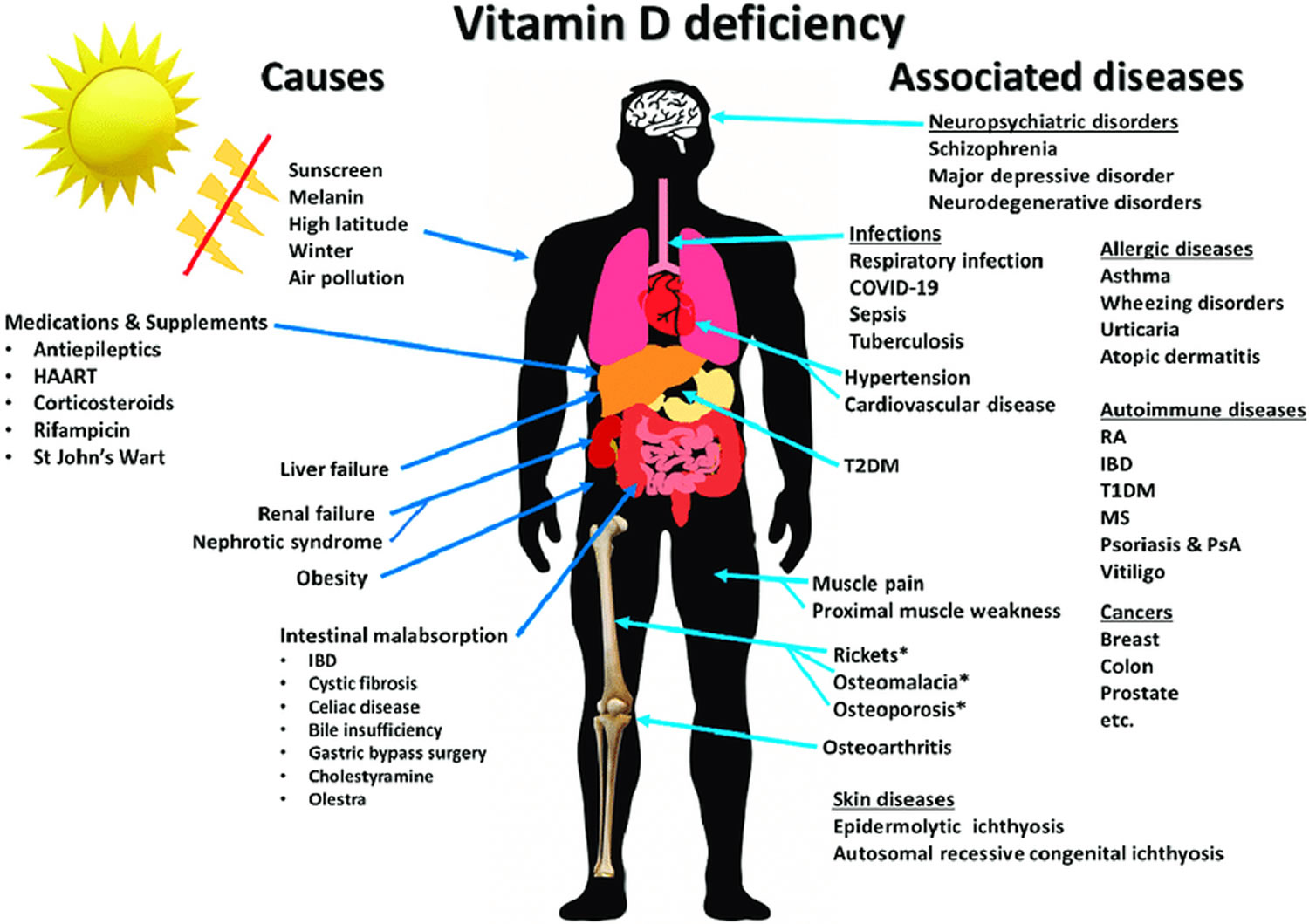
Vitamin D is uniquely dependent on sunlight exposure and adequate intake. Some people simply don’t generate enough through routine living. Others have absorption challenges or metabolic factors that reduce usable vitamin D.
Common risk contexts include:
• Limited sun exposure: Indoor lifestyles, heavy sunscreen use without compensatory diet, or living in higher latitudes.
• Darker skin pigmentation: More melanin can reduce vitamin D synthesis.
• Older age: Skin production can decline over time.
• Higher body fat: Vitamin D can become sequestered in adipose tissue.
• Gastrointestinal malabsorption: Conditions affecting fat absorption can reduce vitamin D uptake.
These are not diagnoses. They’re signals that vitamin D deficiency deserves consideration—especially when paired with healing delays.
How to Confirm It: Testing Instead of Guessing
Curiosity is helpful. Guessing is not. The most direct route is a blood test for 25-hydroxyvitamin D, the standard marker used to estimate vitamin D status.
Because symptoms overlap with many conditions—diabetes, vascular disease, anemia, thyroid disorders, chronic inflammatory conditions—it’s wise to approach healing delay with a structured lens. Testing can reveal whether vitamin D is a missing piece or merely an innocent bystander.
If vitamin D is low, clinicians often recommend a tailored supplementation plan. The goal is not just to raise numbers; it’s to restore the physiological environment that supports recovery.
What Treatment Can Look Like (And Why It Should Feel Different)
Once deficiency is corrected, some people notice a gradual improvement—not always immediate, but meaningful. Skin healing may become more reliable. Energy can feel steadier. Muscle aches may soften. These changes don’t arrive like fireworks; they emerge like sunrise—subtle, then unmistakable.
Supplementation strategies vary based on baseline levels, absorption, and individual health factors. Some people require higher initial repletion; others benefit from maintenance dosing. If you have conditions such as kidney disease, a history of high calcium, or certain medication regimens, medical guidance is essential. Vitamin D interacts with calcium metabolism, and precision matters.
Even with supplementation, the body still needs time. Wound repair relies on coordinated processes, so patience is not passivity—it’s biology catching up.
Habits That Support Repair While You Address the Deficiency
Vitamin D may be the overlooked lever, but it rarely works alone. Wound healing is strongly influenced by nutrition, oxygenation, and tissue care. Consider habits that make repair easier:
• Adequate protein intake: Collagen and tissue rebuilding require amino acids.
• Micronutrient balance: Zinc, vitamin C, and iron support healing pathways.
• Good blood flow: Movement and management of vascular risk improve delivery of oxygen and immune cells.
• Wound hygiene: Gentle cleansing and appropriate dressings reduce bioburden.
• Avoiding irritants: Friction and harsh antiseptics can delay recovery in some situations.
These steps are not replacements for medical evaluation. They’re companions—supporting vitamin D’s role in the repair orchestra.
When to Seek Care Promptly
Some wounds aren’t meant to “wait it out.” Seek prompt medical attention if there’s spreading redness, increasing warmth, pus, fever, severe pain, red streaking, or if the wound is not improving over a reasonable timeframe. People with diabetes, immune suppression, or poor circulation should be especially vigilant, since healing delays can carry additional risk.
Slow healing can sometimes indicate systemic issues that deserve immediate attention. Vitamin D deficiency can contribute, but it doesn’t replace clinical evaluation.
A New Lens: Turning a Lingering Wound into a Clue
Slow wound healing can feel like an inconvenience, then a frustration, then a worry. But it can also become information—an invitation to reassess what your body needs. Vitamin D deficiency is often underestimated because it doesn’t always announce itself with obvious drama. It communicates through quiet symptoms: stiffness, fatigue, and the stubborn refusal of minor injuries to close efficiently.
If healing is dragging, let that observation broaden your thinking. Consider testing. Consider the bigger picture. And consider that the next improvement might not come from another cream or another bandage alone, but from restoring a missing regulatory signal that helps your body repair itself with confidence.