Have you ever wondered why a “simple” nutrient can feel strangely complicated in the body—especially when excess weight is in the picture? Vitamin D deficiency in obese children is one of those biomedical riddles where the usual rules don’t always behave. The punchline is not merely that deficiency is more common, but that it may require higher doses to achieve the same biological outcomes. And yes—this can pose a practical challenge: how do families, clinicians, and schools navigate dosing without overshooting or under-treating?
Why Obesity Changes the Vitamin D Story
Vitamin D is often described as though it were a single switch: get enough sunlight, eat fortified foods, and everything clicks into place. Yet biology rarely respects tidy metaphors. In children with obesity, vitamin D can become “sequestered,” meaning it is more likely to be stored in fat tissue rather than circulating where it can do its job. Imagine vitamin D as a set of keys. In a leaner physiology, those keys are more readily available. In obesity, they may be stored away, making it harder for the body to use them promptly.
Additionally, vitamin D metabolism may shift. The interplay between adipose tissue, inflammatory signaling, and metabolic pathways can influence how vitamin D is processed and utilized. The result is a pattern where deficiency is frequently detected, even when children appear to be getting “some” dietary vitamin D or occasional sun exposure.
Deficiency Isn’t Just a Lab Number
Low vitamin D is sometimes treated like a harmless headline—something to correct with a supplement and then forget. But deficiency has downstream consequences that can be quietly persistent. Vitamin D participates in calcium absorption, bone mineralization, and neuromuscular function. When vitamin D levels are insufficient, the body can compensate in ways that may be less efficient.
In obese children, the clinical picture can be multifaceted. Bone health may be compromised through altered mineral handling. Muscle function can feel “sluggish,” sometimes expressed as reduced strength, lower activity tolerance, or delayed physical development. There is also increasing interest in vitamin D’s potential roles beyond bones—particularly in immune modulation and metabolic regulation—though these relationships can be complex and not always linear.
A Potential Challenge: “The Usual Dose” May Not Be Enough
Here comes the playful complication. What if the standard vitamin D dose—often designed for the average child—turns out to be an underestimation for a child with obesity? This is where the phrase “higher doses needed” gains meaning.
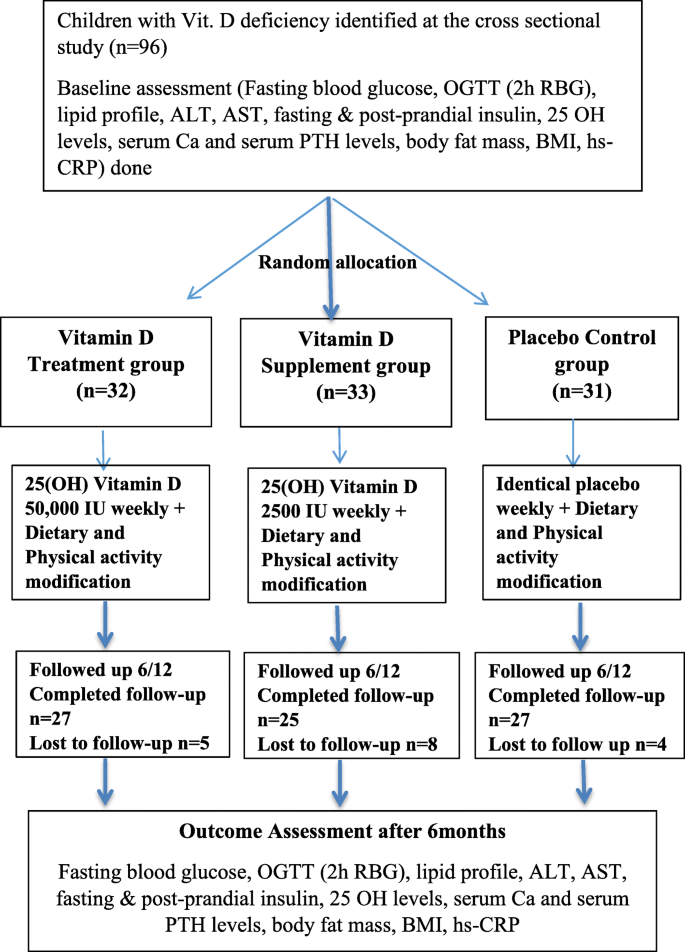
For many people, vitamin D supplementation is guided by baseline deficiency and target blood levels. Yet obesity can increase the required dose due to altered distribution and storage patterns. In practical terms, a regimen that raises vitamin D in one child might produce a smaller rise in another. The challenge is not just achieving compliance; it is achieving adequate bioavailability.
Clinicians must balance two competing risks: undertreatment can leave bones and muscles vulnerable, while overtreatment can create toxicity concerns. Vitamin D toxicity is uncommon, but it is not imaginary. That’s why monitoring—measuring blood levels and tailoring therapy—becomes a central strategy rather than a luxury.
How Much Higher? The Logic Behind Dose Adjustment
Determining “how much higher” is not a one-size-fits-all equation. Dose adjustments often consider severity of deficiency, age, body composition, and how the child responds over time. Because obesity can shift how vitamin D is held and released, higher doses may be required to reach and maintain effective serum concentrations.
Think of it like refilling a reservoir with a leaking pipe. If the pipe leaks faster—analogous to increased storage sequestration or metabolic differences—then the refilling rate must match the loss rate. The therapeutic goal is not simply to raise numbers but to normalize physiology: adequate vitamin D activity that supports calcium absorption, bone formation, and muscular function.
Importantly, dosing strategies should be individualized. Some children may require more aggressive repletion initially, followed by maintenance dosing that sustains the achieved level. Others might need a more cautious approach with closer follow-up.
Loading vs. Maintenance: A Two-Act Supplementation Play
Many clinicians conceptualize vitamin D therapy as a two-act performance. Act one is repletion: bringing low vitamin D status up to a safer, functional range. Act two is maintenance: keeping levels steady to prevent regression into deficiency.
Repletion regimens can be structured as higher-dose short-term strategies or as carefully titrated dosing over a longer interval. Maintenance typically uses lower daily or weekly dosing. The “right” choice depends on starting levels and the ability to ensure consistent administration.
For obese children, maintenance matters because the underlying distribution challenges may persist. Achieving sufficiency once does not guarantee durability. Therefore, follow-up measurements can be particularly important to confirm that the body is holding onto the vitamin D where it needs it.
Symptoms and Clues: What Might a Family Notice?
Vitamin D deficiency can be subtle. Some children have no obvious symptoms. Others may present with features that resemble broader nutritional or lifestyle issues—fatigue, reduced exercise enthusiasm, muscle aches, or slower improvement in strength. These signs are not specific, but they can serve as prompts to ask whether vitamin D status is part of the picture.
Families sometimes notice a pattern: low dietary intake, limited outdoor time, darker skin pigmentation, or cultural clothing practices that reduce sun exposure. Combined with obesity, those factors can amplify risk. Even when children attend outdoor activities, sunscreen habits and seasonal variation can reduce effective cutaneous vitamin D synthesis.
Diet, Sunlight, and Supplements: The Triad That Must Work Together
Vitamin D can come from diet, sunlight, and supplementation, but the system is often unbalanced. Diet alone may not reliably meet needs, especially if fortified foods are not routine. Sunlight provides variable results depending on latitude, season, skin pigmentation, and time outdoors. Supplementation fills the gap—but only if dosing is appropriate.
For obese children, supplementation may need to be more deliberate. A playful question for caregivers could be: Are you aiming for “a little more,” or for “enough to change the bloodstream”? Because vitamin D’s effects depend on achieving biologically relevant serum concentrations, mild dosing may feel comforting but fail to produce the necessary shift.
Safety First: Monitoring and Avoiding Guesswork
Because the goal is higher dosing when indicated, safety becomes a non-negotiable companion to efficacy. Vitamin D is fat-soluble, which can complicate long-term accumulation if dosing is excessive. That’s why clinicians may recommend periodic blood testing—often including serum 25-hydroxyvitamin D—before starting, during repletion, and after stabilization.
Monitoring may also involve calcium levels or additional indicators depending on the child’s circumstances. This is not to discourage supplementation; it is to ensure the plan remains precise. Precision is especially important when the “higher doses” concept is on the table.
Supporting Bone and Movement: Beyond the Pill
Supplementation addresses one piece of the puzzle. Bone health and musculoskeletal strength still depend heavily on movement, nutrition, and overall metabolic health. Weight-bearing activity can stimulate bone remodeling and improve muscle capacity. Even modest increases in safe physical activity can help children build strength and confidence.
Nutrition also matters. Adequate protein, calcium intake, and overall dietary quality create a supportive environment for vitamin D to do its work. In other words: supplements can be catalytic, but they are not a standalone architecture.
What the Roadmap Looks Like: A Practical Plan for Families
A helpful roadmap might begin with risk recognition. If a child has obesity and vitamin D deficiency—or strong risk factors—then the next step is assessment, usually involving laboratory evaluation. From there, a tailored dosing strategy can be designed: repletion followed by maintenance, with follow-up testing to verify response.
Families can support success by setting reminders, using consistent dosing routines, and asking clear questions: What target level are we aiming for? How long will repletion last? When will we recheck? These questions reduce ambiguity and help the plan stay aligned with real outcomes.
Ultimately, vitamin D deficiency in obese children is not merely “more frequent.” It may be “more stubborn,” requiring a dosing strategy that acknowledges how vitamin D is handled in the body. The challenge is navigating that stiffness with care—achieving sufficiency without careening into excess.