Starting Ozempic can feel like switching on a slower, steadier engine—one that smooths hunger, recalibrates appetite signals, and nudges the body toward a more measured rhythm. Yet in the middle of that transition, a quieter question often surfaces: Should you take a break from vitamin D? It’s an oddly specific thought, but it’s also surprisingly human. When you begin a new medication, your mind looks for hidden levers. Vitamin D, meanwhile, is already a familiar companion—sunlight distilled into pills. So the real issue isn’t whether vitamin D is “good” or “bad.” It’s whether your dosing strategy needs a pause while Ozempic is finding its stride.
Vitamin D and Ozempic: Two Different Systems, One Shared Goal
Vitamin D and Ozempic operate in different rooms of the body. Vitamin D is best known as a curator of calcium handling and skeletal maintenance, but its influence extends to immune modulation, cellular signaling, and muscle function. Ozempic (semaglutide) is designed to work on metabolic pathways—particularly appetite regulation and glucose control.
Think of vitamin D as a scaffolding and Ozempic as construction planning. Scaffolding doesn’t determine the blueprint, but it shapes whether the building can stand securely once the work begins. Because the mechanisms are distinct, a blanket “pause vitamin D” approach is rarely necessary. More often, clinicians aim for continuity—especially when you already have low levels or a history of deficiency.
Still, individual conditions matter. If vitamin D deficiency is being treated, stopping may be like turning off a dimmer switch that has been keeping a room at safe light levels. The dimness doesn’t return instantly, but it doesn’t stay away forever either.
The “Break” Question: Why People Consider It
People usually consider pausing vitamin D for three reasons. First is uncertainty: starting a new medication naturally triggers the desire to remove variables. Second is GI sensitivity: Ozempic commonly causes nausea, reflux, or constipation, and some wonder if vitamin D might worsen stomach discomfort. Third is bloodwork confusion: vitamin D levels are slow-moving, and early changes can be difficult to interpret.
Imagine a garden after a sprinkler installation. You may notice the grass looks different within days, but the roots respond on a slower timeline. Vitamin D acts more like root maintenance. Ozempic changes the “watering schedule” of appetite and metabolism. Trying to pause vitamin D because of early “surface changes” can be like rearranging the garden lights while ignoring the soil—dramatic, but not necessarily helpful.
What “Normal” Looks Like: When Continuing Makes Sense
For many patients, continuing vitamin D is appropriate. If you’re already taking a stable dose, your levels may be gradually maintained. Adequate vitamin D supports bone health—an especially relevant point when weight loss begins. Rapid weight change can shift nutrient demands, and the musculoskeletal system becomes an attentive audience.
Additionally, vitamin D supports muscle function. When appetite decreases, some people eat less overall, and ensuring sufficient nutrients can help protect lean mass. Lean mass protection isn’t just about aesthetics; it’s about mobility, balance, and daily vitality.
In practical terms, continuing vitamin D often aligns with the “steady course” principle. Short-term fluctuations in medication tolerability do not automatically cancel the longer-term benefits of vitamin D.
When a Pause Might Be Considered: High Levels, Kidney Concerns, and Risk Management
There are scenarios where the idea of a break gains legitimacy. If vitamin D levels are already high, or if calcium levels run elevated, supplementation may need adjustment. This is not common for everyone, but it’s a crucial nuance.
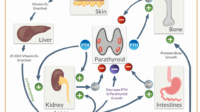
Kidney-related conditions can also alter vitamin D handling. The body converts vitamin D through stages, and those steps depend on organ function. If kidneys aren’t processing normally, vitamin D could accumulate rather than gently replenish. In such cases, continuing a fixed dose without supervision would be like keeping a thermostat set to “high” during a heat wave.
Similarly, certain medications influence vitamin D and calcium balance. Thiazide diuretics, for example, can raise calcium. Some anticonvulsants can alter vitamin D metabolism. The correct move isn’t necessarily stopping; it may be dose recalibration, spacing, or close monitoring.
Timing, Absorption, and Tolerability: Making Vitamin D Feel Easier While on Ozempic
Ozempic can make meals feel smaller, slower, or occasionally unwelcome. Vitamin D absorption is generally better when taken with food that includes some fat. If nausea is part of the early transition, a strategy may help: taking vitamin D with the most tolerable meal of the day, rather than on an empty stomach.
For some people, splitting dosing (under clinician guidance) may reduce GI irritation. Others find liquid formulations gentler, while certain capsules may provoke less discomfort. The goal is not to outsmart biology; it’s to design an approach your gastrointestinal system can tolerate.
Consider this as setting a choreographed pace. Ozempic is often like a metronome—steady, gradual, and sometimes strict. Vitamin D should fit the timing of your daily “rhythm,” not disrupt it.
Monitoring: Blood Tests as a Compass, Not a Crystal Ball
Vitamin D management is more precise when guided by labs. Commonly, clinicians monitor 25-hydroxyvitamin D, and sometimes calcium. Because vitamin D responds slowly, testing too soon after changes may not reflect the final picture. That’s why the temptation to pause immediately can be misleading.
Think of lab work as a compass through a fog. You don’t see the whole landscape at once. You adjust course gradually as the fog clears. If you continue vitamin D and your levels drift into an optimal range, you’ve removed a variable. If levels rise above target, you can intervene—then the “break” becomes a strategic tool rather than a guess.
Importantly, vitamin D is not one-size-fits-all. Baseline deficiency, current dose, diet, sun exposure, and health history all shape the safest plan.
Bone, Muscle, and the Weight-Loss Story: Why This Matters During Ozempic
Weight loss can be a metabolic triumph, but it can also change how the body allocates resources. Bone and muscle require ongoing maintenance signals. Vitamin D helps with calcium absorption, which supports mineralization. Adequate vitamin D may therefore be a quieter partner in protecting skeletal integrity.
Muscles also respond to the broader nutrient environment. When appetite is suppressed, protein intake may decline unless it’s intentionally protected. Vitamin D, while not a substitute for protein, contributes to a muscular “readiness” that supports strength training and daily movement.
In narrative terms, Ozempic may be the captain steering the ship toward calmer metabolic waters. Vitamin D helps maintain the hull’s durability so the voyage doesn’t cost more than intended.
Nutrition and Sunlight: The Complementary Layer People Forget
Vitamin D is not only a pill. Dietary sources—fatty fish, fortified dairy, fortified plant milks, and egg yolk—can contribute. Sunlight exposure also plays a role, though it varies with geography, skin tone, season, and lifestyle.
If you’re considering a break from supplements while starting Ozempic, it’s worth asking: What would replace the missing support? If diet and sunlight are robust, a supervised adjustment may be reasonable. If they are limited, stopping could create a shortfall that accumulates invisibly.
Sometimes people don’t need a break; they need a fuller strategy. Think of it as switching from a single instrument to an orchestra—more stable, more harmonious, less dependent on one variable.
How to Decide: A Practical Decision Framework
Before deciding on a vitamin D break, a simple framework can reduce anxiety. First, identify your current dose and what prompted it. Was it prescribed for deficiency, prevention, or another reason? Second, consider whether you’ve had recent labs. Third, evaluate risk factors such as kidney disease, history of hypercalcemia, or use of interacting medications.
Then, align with how you feel on Ozempic. If you’re experiencing significant GI symptoms, focus on tolerability—timing with meals, dose form, or temporary adjustments discussed with a clinician. If symptoms are mild, abrupt stopping may be unnecessary.
Finally, remember that the “best” decision is often the one that keeps you consistent while you stabilize on Ozempic. Consistency is a powerful antidote to uncertainty.
When to Seek Medical Guidance Immediately
Vitamin D concerns are usually manageable, but certain red flags deserve prompt attention. Signs of high calcium—such as unusual thirst, frequent urination, persistent constipation, confusion, or severe weakness—should be evaluated quickly. If you have kidney disease or have previously experienced abnormal calcium or vitamin D results, medical guidance becomes even more essential.
Also seek advice if you’re not sure whether your current vitamin D level is adequate or if you’re planning to stop abruptly. A clinician can help interpret labs in context and tailor a plan that matches your Ozempic timeline.
Visual Reminder: The “Steady Course” Concept
When everything feels new—Ozempic titration, smaller meals, changing routines—it helps to hold onto steady principles. Vitamin D often belongs in that stable category, much like a reliable blueprint in the background of a project.

And like a well-composed routine, the most effective approach is often gradual adjustment rather than dramatic interruption.

The Bottom Line: Breaks Are Sometimes Tools, Not Defaults
Should you take a break from vitamin D when starting Ozempic? For most people, the answer is: not by default. Vitamin D supports bone and muscle maintenance, and Ozempic does not inherently negate those benefits. However, your decision should reflect your vitamin D status, calcium levels, kidney health, and tolerance to supplements.
In the best-case scenario, vitamin D continues quietly in the background while Ozempic helps guide appetite and metabolism. In the less common scenario—high blood levels, calcium concerns, or kidney-related risks—a break or dose adjustment may be appropriate, but it should be data-driven rather than anxiety-driven.
Ultimately, the goal is not to eliminate every variable. The goal is to keep what’s protective, tailor what’s risky, and let your body adapt with a calm, measured pace.