Vitamin D is often treated like a simple supplement, but it behaves more like a quiet architect. It helps choreograph calcium absorption, nudges immune resilience, and supports bone integrity—yet its timing can subtly alter how comfortably it “finds its place” in your body. The question of whether to take vitamin D before or after a meal isn’t merely about convenience. It’s about maximizing absorption, reducing gastrointestinal discomfort, and giving your routine a steadier rhythm. Think of vitamin D as a lighthouse beam: it works best when conditions—especially dietary fat—help the light travel farther.
Vitamin D’s Journey: Why Meal Timing Matters
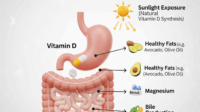
Vitamin D is fat-soluble, meaning it prefers the company of dietary lipids. When you take it with food, especially with some fat, it’s more likely to join digestive micelles and move efficiently through the intestinal landscape. Without food, the tablet still works, but the journey can feel like navigating a foggy harbor—possible, just less streamlined.
Consider absorption as a relay race. Your meal supplies the “handoff zone.” Fats help vitamin D hitch a ride, and bile enzymes assist in transporting it across intestinal membranes. Timing determines how smooth that baton pass becomes. For many people, taking vitamin D with a meal reduces variability and supports steadier uptake over time.

Before a Meal vs. After a Meal: The Practical Differences
Before a meal sounds logical—like beginning early to “beat the clock.” But vitamin D’s fat-soluble nature complicates that optimism. Taking it on an emptier stomach may lead to slower or less efficient absorption, particularly if your meal is later and contains limited fat.
After a meal, however, the digestive environment is already in motion. Bile flow increases, stomach contents are easier to process, and dietary fat becomes available to escort vitamin D into absorption pathways. Many people find after-meal dosing feels smoother, with fewer chances of mild nausea or stomach irritation.
That said, every body has its own tempo. If you rarely experience stomach discomfort and your meals are consistent, some may tolerate pre-meal dosing well. Still, for the most reliable absorption, after-meal typically wins.
The Role of Dietary Fat: Your Meal as a Delivery Vehicle
Vitamin D doesn’t travel alone. It relies on fats as an escort. A meal containing olive oil, eggs, fatty fish, nuts, or full-fat dairy can create a more favorable absorption environment. Even small amounts of fat may help, particularly if you take vitamin D daily.
Imagine dietary fat as stage lighting. Without it, the vitamin D performer can’t fully illuminate the audience. With it, the show goes on—clearer, brighter, and more effective.
If your typical meals are very low in fat—such as strict salads or broth-heavy dishes—consider whether your dosing strategy needs adjustment. You may not need to change your whole diet, but aligning vitamin D with a more lipid-containing meal can be a practical compromise.
How Dose Form Influences Timing
Not all vitamin D products behave identically. Softgels and liquid preparations often distribute more easily with meals, while tablets may depend more heavily on consistent digestive conditions. Some forms are designed for enhanced bioavailability, but absorption still generally follows the fat-soluble rule of thumb.
If you’re using a higher-strength supplement, you may notice more “feel” from timing—especially if your stomach is sensitive. In those cases, pairing the supplement with a fuller meal can reduce discomfort and improve consistency.
What If You Have a Sensitive Stomach?
Gastrointestinal comfort matters. If vitamin D makes you feel queasy, taking it with food is a rational adjustment. After a meal provides a buffer: the supplement is processed in a fuller digestive context, not as a lone pill that lands abruptly.
Some people report that vitamin D is better tolerated with breakfast or lunch rather than late at night. Short sentences help here: choose what you can remember. Take it when you’re least likely to forget—and when your body is most receptive.
If nausea persists regardless of timing, consult a healthcare professional, especially if you also have symptoms related to fat digestion or malabsorption.
Morning Routine vs. Evening Routine: Consistency Is the Real Superpower
Vitamin D timing is not only about “before or after.” It’s also about when you reliably fit it into life. A daily habit beats occasional heroism. A stable routine helps you maintain steady vitamin D levels, smoothing out the peaks and dips that can happen with irregular dosing.
For some, morning dosing pairs naturally with breakfast—an intuitive after-meal strategy. For others, evening dosing feels easier to remember. Neither is inherently superior in most cases, as long as it’s taken with food. The best schedule is the one you can keep without stress.
Who May Need Extra Attention to Timing?
Some groups benefit from more deliberate dosing choices. If you have conditions affecting digestion or bile production, absorption may be less efficient. People with digestive disorders, those who have undergone gastrointestinal surgery, or individuals taking medications that influence fat absorption may need tailored guidance.
Similarly, if you’re supplementing because of a documented deficiency or low baseline vitamin D levels, maximizing absorption becomes more important. In that scenario, after-meal dosing—and meals containing some fat—can be particularly valuable.
Safety still matters. Higher doses should be supervised, and vitamin D levels are best monitored through appropriate testing rather than guesswork.
Special Considerations: Interactions and Complementary Supplements
Vitamin D often travels alongside calcium in the body’s mineral metabolism. If you take calcium supplements, spacing strategies may matter—especially if calcium causes stomach upset. Some people prefer separating doses to improve tolerance, while others combine them if tolerated well.
Magnesium also plays a supporting role in vitamin D metabolism. While magnesium isn’t required for every person, it can be part of an overall supplementation strategy. Timing may be adjusted for comfort rather than theory.
Interactions with other minerals and medications can vary. If your regimen is complex, professional guidance can help prevent unintended absorption competition.
The “Best Answer” for Most People
If the goal is maximizing absorption with minimal friction, the clearest general guidance is: take vitamin D after a meal, preferably one that includes some dietary fat. This approach harnesses the digestive machinery already in motion and often improves tolerability.
Before a meal may work for certain individuals, particularly those with consistent dietary fat intake later in the day and no stomach sensitivity. But after-meal dosing reduces uncertainty. It’s less about perfection and more about probability.
Choose your routine like you’d choose a route through unfamiliar streets: the well-lit path is usually the safer one.
How to Tell If Timing Is Working
Look for behavioral signals first: Are you remembering it consistently? Is your stomach comfortable? Are you taking it with meals that match your typical diet? These are practical markers that often predict better outcomes.
Then verify biologically. If your vitamin D status is being managed—especially with a deficiency diagnosis—retesting after an appropriate interval can confirm whether your routine supports effective levels. That’s the endpoint where anecdote becomes evidence.
In the end, vitamin D is less a dramatic visitor and more a steady tenant. Give it the best conditions, and it repays you with quiet, dependable maintenance.