Picture this: your bones are a bustling city—steady, structural, and silently self-renewing. Then, one day, the city begins to fray at the edges. Which tools can really help—medications that target the bone-building machinery, or the familiar duo of vitamin D and calcium that provides the raw materials? Here’s a playful question to start: What if your “bone budget” is mostly about supplies, not strategy? And now the challenge: many people assume that taking supplements is enough—until a clinician quietly points out that osteoporosis often requires both materials and architectural action.
Why osteoporosis demands more than one kind of support
Osteoporosis isn’t just “thin bones.” It’s a systemic change in bone microarchitecture—think of microscopic scaffolding that gradually loses integrity. When bones become porous, even routine movements can trigger fractures, turning everyday life into a risk management exercise.
Vitamin D and calcium help address key physiological processes. Calcium is the primary mineral component; vitamin D supports intestinal absorption and helps coordinate bone remodeling. Still, osteoporosis is often driven by accelerated bone resorption and altered remodeling balance—meaning the body needs guidance that supplements alone may not provide.
Vitamin D and calcium: the groundwork (and its limits)
Vitamin D acts like a biochemical translator, enabling your gut to absorb calcium efficiently. Without adequate vitamin D, calcium intake may be present yet functionally underutilized—like paying for supplies that never arrive at the worksite.
Calcium, meanwhile, supplies the mineral used during bone formation. For many individuals, correcting a deficiency can be a meaningful step. It can improve calcium balance, support muscle function, and potentially reduce risk in those who are truly low.
But here’s the catch: if osteoporosis is already established, supplements typically don’t reverse the underlying imbalance between bone breakdown and bone creation at the same scale as prescription therapies. They’re foundational, not transformational in every case.
:max_bytes(150000):strip_icc()/calcium-vitamin-d-bone-health-5084082-Final-3c9d7d89b1634530882e8c7c599de786.jpg)
Osteoporosis medications: targeted remodeling control
Prescription osteoporosis medications are designed to intervene in the remodeling cycle with sharper specificity. Instead of merely improving mineral availability, these drugs aim to reduce fracture risk by altering how bone cells behave.
Some therapies slow down osteoclast activity (the cells responsible for resorption), thereby helping preserve bone structure. Others stimulate osteoblast activity or promote new bone formation. The result is not just “support,” but structural recalibration—a rebalancing act that may be crucial when bone density is already significantly compromised.
Comparing effectiveness: what each approach can and cannot do
Vitamin D and calcium can be extremely helpful, especially when levels are low or intake is inadequate. In these scenarios, they can support healthier bone turnover and improve overall readiness of the body’s skeletal metabolism.
Osteoporosis medications, however, are generally used when fracture risk is elevated—such as with low bone mineral density, previous fractures, or clinical risk factors. They can produce more robust improvements in bone density and—more importantly—reduce the likelihood of fractures.
In plain terms: supplements can be the “fuel.” Medications are often the “steering wheel.” Both matter, but they operate differently.
Safety profiles and practical considerations
Supplements can still carry risk. High-dose calcium may contribute to kidney stone formation in susceptible individuals. Vitamin D dosing needs calibration—too little may be ineffective, while excess can lead to elevated calcium levels and other downstream effects.
Medications are more complex. Many require careful patient selection, monitoring, and timing. Some therapies can cause gastrointestinal issues, while others may be associated with rare but serious adverse effects. This is why clinicians evaluate kidney function, history of fractures, concurrent medications, and overall risk before choosing a pathway.
Rather than viewing safety as a single yes-or-no question, it’s better to consider it as a continuum—where benefits, risks, and surveillance meet.
How clinicians decide: risk stratification in real life
Medication decisions rarely hinge on vitamin D and calcium alone. Clinicians often use bone mineral density testing, history of fractures, age-related risk, and clinical risk factors to estimate fracture likelihood.
If someone has osteoporosis with higher fracture risk, medications may be prioritized. If someone is osteopenic or vitamin D/calcium deficient, supplements might be a primary starting point—sometimes paired with lifestyle changes and follow-up testing.
This tailored approach helps prevent the common pitfall: under-treating those who need pharmacologic remodeling control, or over-relying on supplements when a more targeted regimen is warranted.
Fracture prevention: the outcome that matters most
The ultimate goal isn’t simply a higher number on a bone density scan. It’s fewer fractures—fewer vertebral compressions, fewer hip fractures, fewer moments of sudden loss.
Osteoporosis medications are typically evaluated using fracture endpoints. Vitamin D and calcium may contribute to risk reduction, especially when deficiencies exist, but they may not achieve the same level of fracture prevention in established osteoporosis without additional pharmacologic action.
Think of it like this: preventing fractures is like preventing structural collapse. Supplies help maintain the material. Medications help change the design strategy.
Time horizon: immediate support vs long-term architecture
Supplements can address deficiencies relatively quickly, though measurable improvements in bone density usually take time. Medication effects may also evolve over months to years, and adherence matters.
A key reality: bone remodeling is slow by design. So patience is not optional. Whether the approach is supplementation, medication, or both, follow-up evaluations are often part of the journey.
Adherence and lifestyle: the “silent third intervention”
Medication success is not solely pharmacology. Lifestyle forms the scaffolding around the treatment plan. Weight-bearing activity and resistance training can stimulate bone loading. Balance-focused exercises can reduce falls. Nutrition supports overall repair mechanisms.
In this context, vitamin D and calcium may be especially effective as components of a comprehensive regimen. Even perfect dosing can be undermined by inactivity, poor nutrition, or inadequate fall prevention.
Can you combine medications with vitamin D and calcium?
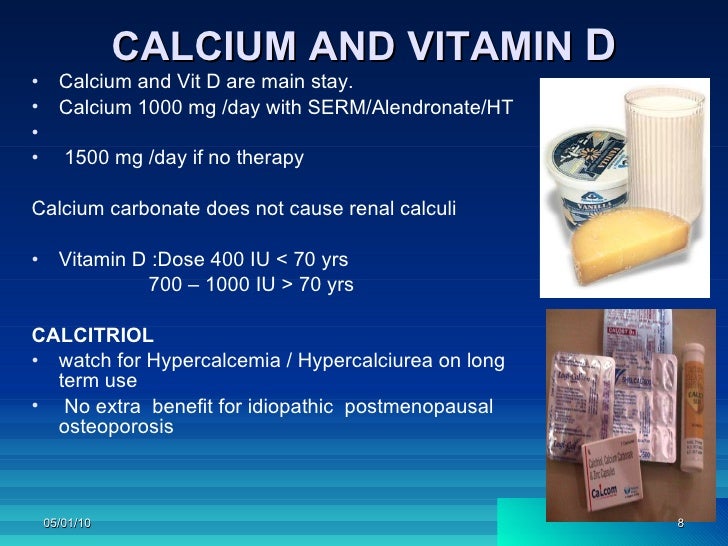
In many cases, yes. Healthcare providers often recommend adequate calcium intake and vitamin D repletion alongside osteoporosis medications. This combination supports the body so that bone cells have what they need to respond to therapy.
However, the “combine” conversation should be individualized—especially regarding dosing, kidney function, dietary calcium, and total supplement intake. Over-supplementation is avoidable, and precision is powerful.
A quick decision guide: asking the right questions
Before choosing a path, consider these questions. Have you been tested for vitamin D deficiency? Are you dealing with established osteoporosis or early risk markers? Have there been fractures—especially low-trauma fractures? What is your overall fracture risk profile?
Supplements may be a crucial foundation, but medications may be the necessary strategy for high-risk situations. The best plan often blends both, guided by assessment and ongoing monitoring.
Closing thought: the strongest plan is the one that fits your bones
So, are osteoporosis medications better than vitamin D and calcium? The most honest answer is: they do different jobs. Vitamin D and calcium can help correct foundational deficits and support healthy remodeling inputs. Osteoporosis medications can provide decisive remodeling control when fracture risk is high.
The playful question returns: what if your “bone budget” needs more than groceries? For many, it does. The challenge is choosing wisely—turning uncertainty into a plan designed for your bone health reality.