Menopause doesn’t arrive with a single, dramatic headline. It often sneaks in—subtle shifts in mood, sleep, and appetite, followed by a slow rearranging of the body’s “set points.” If weight gain has become stubborn where it once felt negotiable, vitamin D may deserve a seat at the table. Not as a magic coin you rub for instant change, but as a nuanced signal—one that can influence muscle function, inflammation, and hormonal communication. The most interesting part? The story starts with perspective. When you stop treating weight gain as purely “calories in, calories out,” you begin to notice the biochemistry that quietly writes your day-to-day outcomes.
Reframe Weight Gain: From Blame to Biology
Picture your body as an orchestra. In perimenopause and menopause, the tempo changes. Instruments don’t instantly stop; they play with different timing. That timing affects how readily you build or retain lean mass, how your body handles glucose, and how stress hormones behave. Many men and women assume menopause-related weight gain is simply overeating or inactivity. Yet the pattern can feel more like a regulatory recalibration—an internal “dimmer switch.”
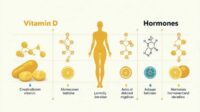
Vitamin D enters this scene as a hormone-like nutrient involved in calcium balance and cellular signaling. It also intersects with metabolic processes, potentially influencing insulin sensitivity and fat distribution. The promise isn’t “lose weight automatically.” The promise is more subtle: a shift in perspective that invites curiosity about upstream factors—sun exposure, deficiency risk, muscle support, and chronic low-grade inflammation.
Understand Vitamin D’s Menopause Connection
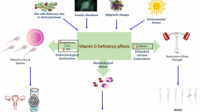
Vitamin D receptors exist throughout the body, including in tissues that influence metabolism and muscle. During menopause, estrogen levels decline, and that can accelerate changes in body composition. Lean mass may gradually decrease, and fat accumulation can become more pronounced. When muscle quality declines, daily energy expenditure often follows suit—not dramatically at first, but steadily.
Vitamin D’s relevance here is often misunderstood. Think of it less as a vitamin and more as a molecular “key.” It helps regulate gene expression and supports neuromuscular performance—meaning your muscles may respond more effectively when you train, walk, and move. That doesn’t replace exercise. It can make exercise feel less like a battle against fatigue and more like a practical tool you can use consistently.
Curiosity is productive: if you’re gaining weight around the waist, losing stamina, or feeling “stiffer” than before, it’s reasonable to wonder whether vitamin D status is part of the equation.

Check Your Baseline: Testing Before Guessing
Before committing to a supplement plan, consider a blood test. The most informative marker is typically 25-hydroxyvitamin D. This is the form that circulates and best reflects body stores. Testing changes the conversation from speculation to evidence. It’s the difference between buying a compass and walking blindfolded.
For men navigating menopause-related transitions in partners (or for men experiencing age-related weight gain in general), the same principle holds: vitamin D status varies widely based on skin tone, latitude, season, lifestyle, and clothing habits. Some people live under artificial light and assume they’re “getting sun.” In practice, modern routines can quietly create deficiency.
A baseline test helps you avoid two extremes: underdosing (which feels like trying to heat a room with a candle) or overdosing (which can be harmful). When you know your number, you can build a targeted approach that aligns with your body’s actual needs.
Choose a Dose Strategy: Personalization Beats One-Size-Fits-All
If your level is low, the next question becomes: how to raise it safely and effectively. Dosing is often individualized based on deficiency severity, body weight, sun exposure, diet, and current regimen. Some people prefer conservative maintenance dosing, while others begin with a short “repletion” phase under clinician guidance.
Vitamin D is fat-soluble, meaning it’s typically absorbed better when taken with a meal containing dietary fat. This is where consistency matters. A regimen that you actually remember—paired with food—often beats a theoretically perfect dose you forget half the time.
Here’s a perspective shift worth keeping: supplements are not standalone. Think of vitamin D as part of a broader metabolic maintenance plan—paired with strength training, adequate protein, and sleep that doesn’t treat your body like a night shift employee.
Pair Vitamin D with Calcium and Magnesium (Thoughtfully)
Vitamin D helps regulate calcium absorption. During menopause, bone density concerns can rise, and adequate mineral support becomes increasingly important. However, calcium and vitamin D shouldn’t be used like a stack of interchangeable coins. Balance matters.
Magnesium, too, often enters the conversation. It participates in vitamin D metabolism and supports neuromuscular function. When magnesium intake is low, people may notice cramps, restless sleep, or “wired but tired” feelings. That can affect movement patterns, which can affect weight.
Instead of rushing to supplements, consider dietary anchors first: calcium-rich foods (like yogurt or fortified alternatives) and magnesium-rich options (leafy greens, nuts, legumes). If supplementation is needed, coordinate thoughtfully, and avoid excessive megadosing. The goal is steady physiological alignment, not short-term fireworks.
Strength Training: The Missing Chapter for Weight Gain Resilience
Vitamin D’s most tangible payoff may appear indirectly. When vitamin D status improves, muscle function can improve—better activation, less weakness, and potentially improved exercise tolerance. This matters because menopause-related weight gain is often coupled with gradual changes in lean mass.
Strength training becomes the translation mechanism: vitamin D supports the machinery, but training turns it into results. Even two or three sessions per week can shift body composition over time when combined with protein intake and progressive overload.
Expect a cascade effect. Better muscle quality can raise daily activity efficiency. It can also influence posture and reduce the “effort tax” of simple tasks. Long sentences aren’t necessary here; the idea is clear: train the body you want, and support it with the nutrients it requires.

Inflammation, Glucose, and the Quiet Mechanics of Metabolism
Many people think metabolism is one switch. In reality, it’s a network. In menopause, chronic low-grade inflammation can become more prominent, and insulin sensitivity can shift. Weight gain can then feel “out of proportion” to intake—not because someone is eating wildly, but because the body processes fuel differently.
Vitamin D may help modulate inflammatory pathways and support insulin-related processes. The promise here is not instant fat loss; it’s improved metabolic “terrain.” When your body becomes more efficient at handling glucose, you may notice fewer spikes in hunger and steadier energy after meals. That alone can make a calorie deficit easier to maintain—without turning your life into a constant negotiation.
Curiosity helps. Instead of asking, “Why can’t I lose weight?” consider, “What systems might be influencing my hunger, my energy, and my training recovery?” Vitamin D is one plausible thread in that tapestry.
Sunlight: A Lifestyle Variable You Can Actually Influence
Supplementation is useful, but sunlight remains the original source. Many people underestimate how lifestyle details change vitamin D status: time outdoors, season, latitude, cloud cover, sunscreen habits, and skin exposure all affect synthesis.
Sunlight doesn’t mean neglecting skin safety. It means smart exposure—small, regular intervals when feasible. Some people do best with a consistent outdoor routine rather than relying on unpredictable “vacation sun.” The psychology matters, too. Getting outside can improve mood, which can improve sleep, which can reduce stress-driven appetite.
Short walk. Longer breath. Then a meal that supports recovery. Those are not just lifestyle choices—they are signals that reinforce internal regulation.
Common Pitfalls: Avoid the “Vitamin D as a Shortcut” Trap
Weight gain rarely has a single cause. A major pitfall is treating vitamin D like a shortcut while ignoring sleep debt, protein adequacy, and strength maintenance. Another pitfall is inconsistent dosing or taking it without dietary fat, making absorption less efficient.
Some people also stop after a few weeks. Vitamin-related changes take time. Blood levels may normalize gradually, and muscle and metabolic improvements can lag behind supplementation initiation. Patience is not passive. It’s strategic waiting while you improve the supporting factors.
Finally, safety matters. High doses without monitoring can cause problems, especially in people with underlying conditions. If you’re considering higher-than-maintenance dosing, get guidance and consider re-testing after an appropriate interval.
Track Progress Beyond the Scale: The Indicators That Matter
Scale weight can be misleading during menopause due to water retention, training adaptations, and hormonal fluctuations. A better approach uses multiple indicators: waist circumference, strength progression, sleep quality, energy stability, and how your body responds to movement.
Ask yourself: Are stairs less punishing? Does post-meal hunger feel calmer? Are workouts more consistent? These are the micro-signals that often precede visible changes. When they improve, your body is telling you something—sometimes before the numbers follow.
Vitamin D may play a supportive role in that shift. It’s not a spotlight; it’s a tuning instrument. When the orchestra is better tuned, the performance often improves.
Build a Menopause-Friendly Vitamin D Plan: A Practical Wrap-Up
Start with curiosity and evidence: consider testing, then build a dose plan that aligns with your results and your lifestyle. Pair vitamin D with mineral awareness, especially calcium and magnesium when appropriate. Strength training should remain the backbone, because it converts nutrient support into body-composition changes. Add sensible sunlight exposure and prioritize sleep like it’s part of your supplement stack.
Most importantly, let your mindset evolve. Menopause-related weight gain is not an identity. It’s a phase with moving parts. Vitamin D is one of those parts—capable of nudging metabolism, improving muscular resilience, and helping you regain a feeling of control. The body you want might not be distant at all. It might simply require better signals.