Ever tried to “sleep on it,” only to discover your brain is still drafting the next three chapters at 2:13 a.m.? Chronic insomnia can be maddeningly sticky, and when your body won’t downshift, it’s worth asking whether something subtle—like vitamin D status—might be contributing. Here’s a playful challenge: imagine your sleep schedule as a lighthouse. If the beacon is dim, even steady winds can’t keep the shoreline safe. Vitamin D isn’t the only factor in insomnia, but testing it can be a surprisingly practical step when rest feels perpetually out of reach.
Why Vitamin D Is Worth Testing When Insomnia Becomes Chronic
Vitamin D is often treated like a “summer supplement,” but it plays roles that ripple through more systems than many people expect. It’s involved in immune regulation, mood modulation, and certain neurobiological pathways. Some research suggests an association between low vitamin D and sleep disturbances, including poor sleep quality and increased risk of insomnia symptoms. Correlation isn’t destiny, of course. Still, in chronic insomnia, where nights stack up and fatigue accumulates, it’s sensible to look for reversible influences—especially those related to sunlight exposure and overall health.
Consider this: people can have perfectly normal-looking routines—work, chores, screens, and the same bedtime ritual—yet they may still be low in vitamin D due to limited outdoor time, sunscreen practices, darker skin pigmentation, certain medications, or geographic and seasonal factors. If your sleep has become a recurring struggle, checking vitamin D can help clarify whether you’re dealing with an understudied piece of the puzzle.
First, Track the Pattern: When Insomnia Hints at a Nutritional Clue
Before testing, gather clues. Insomnia can be “sleep-onset” (trouble falling asleep), “sleep-maintenance” (waking repeatedly), or “early morning awakening.” These forms can overlap, but the pattern matters. If your insomnia comes bundled with symptoms like low mood, generalized aches, frequent fatigue, reduced muscle strength, or heightened susceptibility to infections, vitamin D testing may be particularly relevant.
Try a short, deliberate log for 1–2 weeks. Note bedtime, wake time, awakenings, caffeine timing, alcohol use, exercise timing, and sun exposure. Then add one extra column: “How much daylight did I get?” Even a rough estimate can illuminate whether your routine accidentally minimizes vitamin D opportunities.
One more twist: chronic insomnia often coexists with stress physiology. You may feel “wired but tired.” That state can be fueled by multiple factors, but vitamin D insufficiency can sometimes add to the general weariness that makes falling asleep harder.
Know the Common Risk Factors (You Might Recognize Yourself)
Vitamin D levels vary widely. Testing becomes more compelling if you have one or more of the following:
• Minimal midday sun exposure (especially during winter months)
• Living at higher latitudes or working indoors most days
• Darker skin tone, which reduces cutaneous vitamin D production
• Age-related decreases in vitamin D synthesis
• Obesity or higher body fat percentages (vitamin D can be sequestered)
• Dietary patterns low in vitamin D-rich foods (fatty fish, fortified dairy or plant milks)
• Conditions affecting absorption (celiac disease, Crohn’s, bariatric surgery)
• Medications that alter vitamin D metabolism (some anticonvulsants, glucocorticoids, and others)
If you recognize a few of these, you’re not “failing wellness.” You’re simply operating within biology’s constraints. Testing can help you respond with precision rather than guesswork.
What Test to Ask For: The Clarity-Driven Blood Work
When you’re ready to test, the typical measurement is a blood test for 25-hydroxyvitamin D—often written as 25(OH)D. This is the most informative marker of vitamin D status because it reflects total vitamin D from sun exposure and dietary intake. Ask your clinician for the lab order and the reference ranges they use.
It’s also helpful to know that some clinicians consider related labs depending on symptoms and risk: calcium, parathyroid hormone (PTH), and sometimes magnesium. These don’t replace vitamin D testing, but they can support a more coherent interpretation if results are borderline or unexpectedly low.
Before the draw, you don’t typically need elaborate fasting. Still, check your clinician’s instructions and share any supplements you’re taking, including dose and timing. Transparency makes the result more actionable.
Interpreting Results Without Panicking
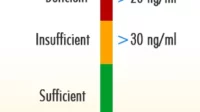
Vitamin D results are usually reported in either ng/mL or nmol/L. Reference ranges vary among organizations and clinicians, so the most important step is to interpret in context. Generally, lower levels suggest insufficiency. But “low” is not the end of the story.
Think of vitamin D like a dimmer switch rather than an on/off switch. Your aim is to choose a safe and effective strategy based on your baseline level, symptoms, risk profile, and the guidance of a qualified professional. If your insomnia is severe, testing doesn’t mean you delay sleep-focused interventions. It means you add one more leg to your support structure.
Also consider that chronic insomnia can affect appetite, stress hormones, and daily rhythms. Your vitamin D level may be part of a broader pattern related to lifestyle, not an isolated villain.
How to Prepare for Vitamin D Repletion (Safely)
If testing shows deficiency or insufficiency, the next phase is repletion. This should be guided by a clinician, especially for higher-dose regimens. Vitamin D is fat-soluble, meaning it accumulates more readily than water-soluble nutrients. The goal is effective correction without overshooting.
Repletion often includes one of two approaches: daily moderate dosing or intermittent higher dosing. The best plan depends on your level and how your body responds. Many people do better when they pair supplementation with consistent meal timing and dietary fat intake, which can improve absorption.
While you’re doing this, keep your insomnia strategy active. Cognitive behavioral therapy for insomnia (CBT-I) remains a cornerstone. Sleep hygiene helps, but CBT-I addresses the behavioral and cognitive loops that keep insomnia alive.
Design a Sleep-Friendly Plan While Vitamin D Levels Normalize
Vitamin D can be part of an overall sleep-support plan, but your nights still need structure. Use a layered approach:
• Keep a consistent wake time, even after poor sleep.
• Use a wind-down routine that reduces arousal—dim lights, reduce stimulating content, and avoid long “watch the clock” sessions.
• Limit caffeine after early afternoon.
• If you can’t sleep after a reasonable interval, consider getting out of bed briefly and returning when sleepy.
Here’s a meaningful nuance: insomnia is frequently maintained by conditioned arousal. Your brain learns that bed equals vigilance. Testing vitamin D won’t fix that learning on its own. But it can help reduce biological contributors, letting behavioral tools work more effectively.
Also, consider daylight. Since vitamin D is tied to sunlight exposure, safe daytime outdoor time—especially morning light—can support both circadian rhythm alignment and vitamin D status. Short, intentional walks can do double duty.
Potential Pitfalls: When “More” Isn’t Better
Some people see a deficiency and decide to self-treat aggressively. That can be risky. Excess vitamin D can lead to elevated calcium levels, which may cause symptoms like nausea, constipation, confusion, excessive thirst, or frequent urination. That’s not a “sleep improvement” road.
Another pitfall is assuming vitamin D is the sole cause of insomnia. Chronic insomnia has multifactorial roots: stress, medications, sleep apnea, restless legs syndrome, thyroid issues, depression or anxiety, irregular schedules, and more. Testing vitamin D is valuable, but it shouldn’t shrink the spotlight away from other causes.
Finally, supplement brands vary in formulation. If you’re buying vitamin D, choose reputable products and follow dosing guidance. If you use other supplements, don’t stack without knowing the total amounts.
When to Seek Additional Evaluation Beyond Vitamin D
If insomnia persists despite targeted steps, it’s appropriate to broaden the evaluation. Ask about screening for sleep apnea (especially if you snore or wake gasping), restless legs (if you get uncomfortable urges to move), and medication side effects. Blood work might also include thyroid function or iron studies if symptoms suggest it.
If your insomnia is severe, dangerous, or accompanied by concerning symptoms—weight loss, persistent mood changes, or neurological signs—seek timely medical care. You deserve sleep, but you also deserve safety.
A Gentle Closing: Think of Vitamin D as One Piece of a Night-Repair Strategy
Testing vitamin D won’t instantly rewrite your sleep story, but it can make your plan more intelligent. It’s a clinician-guided diagnostic step that helps you move from vague hope to informed action. If you’ve been battling insomnia night after night, consider this your permission slip to check the fundamentals.
And if you’re still wondering, “Where do I even start?”—start with the test: ask for 25-hydroxyvitamin D, share your insomnia pattern, and build a two-track strategy that includes both lab-informed supplementation (if needed) and evidence-based sleep interventions. Your lighthouse deserves a brighter beacon.