Intermittent fasting can be a powerful framework for metabolic health, but supplements often become the awkward subplot. Vitamin D—fat-soluble, metabolically chatty, and deeply connected to immunity and bone physiology—deserves a strategy, not a guess. The key is timing, pairing, and consistency: taking vitamin D with the right kind of food at the right point in your eating window so your body can actually absorb what you’re offering.
Why Vitamin D Needs Food (and Why Fasting Changes the Rules)
Vitamin D is fat-soluble, meaning it travels through the body alongside dietary lipids. During intermittent fasting, your digestive system isn’t routinely processing meals, so the “delivery system” for fat-soluble compounds is limited. That doesn’t make vitamin D impossible while fasting; it makes absorption less reliable.
Think of vitamin D as a passenger who only boards when there’s a suitcase of fat in the station. Without that context, more of the dose can linger and waste its potential. The goal is to synchronize vitamin D intake with meals that contain meaningful fat, rather than treating it like a simple swallow-anytime vitamin.
Choosing the Right Moment: Aligning Vitamin D with Your Eating Window
Most people using intermittent fasting follow an eating window such as 8 hours, 6 hours, or even alternate-day patterns. To optimize absorption, consider taking vitamin D early in your eating window with a meal that includes fat. Early timing can help you avoid late-night heaviness and can reduce the odds that you’ll forget during a busy stretch.
Shorter fasts can still work with this plan. If your eating window begins at 12:00 p.m., consider a meal at or near 12:15–1:00 p.m. rather than waiting until the last minutes of the window. Long sentences have their place, but so do practical habits: decide on a fixed anchor meal and take vitamin D with it.
What “With Food” Really Means: Pair Vitamin D with Dietary Fat
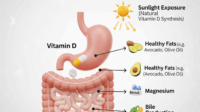
“With food” isn’t a vague phrase—it’s nutritional choreography. Vitamin D absorption is improved when taken alongside meals containing healthy fats. If your meal is nearly fat-free, you may notice diminishing returns.
Practical pairing options include:
- Eggs with yolks (a classic, simple fat source)
- Salmon, sardines, or mackerel
- Avocado or olive oil–based dressings
- Full-fat yogurt or cheese (if you tolerate dairy)
- Nuts and nut butters
- Fatty cuts of poultry or lean meats cooked with olive oil
If your meal is otherwise lean, a spoonful of olive oil, a small handful of nuts, or a few bites of fatty fish can turn “thin” absorption into something more physiologically coherent.
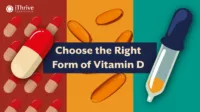
Different Vitamin D Forms: Oil-Based, Softgels, Gummies, and Drops
Not all vitamin D supplements behave the same. Understanding the formulation helps you decide how to take it during fasting.
Oil-based drops or liquid often integrate well with meals that have fat. For best effect, add the dose directly to a fatty food you’re already eating—think yogurt with olive-oil drizzles (where culturally acceptable), or mix with a small portion of nut butter.
Softgels are convenient but still benefit from a meal that contains fat. Taking them on an empty stomach during the first day of a fast can be less effective than pairing with a meal.
Gummies may contain fats differently from oil-based forms. Still, they are typically designed to be taken with or after food. If you’re using gummies, consider taking them during a meal that includes olive oil, eggs, or another meaningful fat source.
Tablets can vary by formulation. Regardless of form, the “fat companionship” principle generally holds.

How Much to Take: Follow Testing, Labels, and Clinical Guidance
Vitamin D needs vary by baseline status, sunlight exposure, body mass, season, and sometimes medication interactions. Many people start with a reasonable supplemental dose, but the most elegant approach is targeted: checking serum 25-hydroxyvitamin D levels, then adjusting based on results and clinician guidance.
Labels often show an amount in IU (International Units). The safest path is to respect those instructions and to avoid doubling doses impulsively. Intermittent fasting can change how you schedule your intake, but it shouldn’t become an excuse for inconsistent dosing.
Short-term changes can lead to long-term drift. Consistency is what keeps your vitamin D status from swinging like a pendulum.
Practical Meal Strategies for Common Fasting Schedules
Different fasting plans require slightly different logistics. Here are workable frameworks that respect both absorption and adherence.
12:12 or 14:10 (moderate time-restricted eating): Choose a first meal early in the window and take vitamin D with it. A breakfast that includes eggs, yogurt, or a drizzle of olive oil often makes a dependable platform.
16:8 (popular protocol): Use lunch or an early dinner meal as the anchor. Taking vitamin D with the first “real” meal helps you avoid the common mistake of swallowing supplements late when the meal is lighter.
One meal a day (OMAD): This requires extra precision. Take vitamin D with the single meal and make sure that meal includes fat. Without that, the dose risks becoming mostly symbolic rather than functional.
Alternate-day fasting: If you fast every other day, consider taking vitamin D on feeding days. Consistency matters more than perfect timing, but pairing on feeding days remains a strong rule of thumb.
What to Avoid: Empty Stomach Timing, High-Fiber Extremes, and Other Pitfalls
A common error is taking vitamin D during the fasting stretch, especially early morning when there’s no meal fat yet. Another issue is treating vitamin D like a purely isolated mineral puzzle, ignoring that digestion is a systems-level process.
High-fiber meals can occasionally affect absorption of fat-soluble compounds depending on the overall composition of the meal. The fix isn’t abandoning fiber—it’s ensuring your overall meal includes adequate fats. It’s the ratio that matters.
Also watch for interactions. Certain medications can affect vitamin D metabolism or calcium balance. If you take diuretics, anticonvulsants, or other chronic therapies, consult clinical guidance before changing dosing patterns.
Signs Your Strategy Might Need Adjustment
Vitamin D isn’t a “feel it now” supplement. That’s partly why it can be neglected. Still, you can monitor indirect cues. Fatigue, frequent muscle discomfort, and low mood can sometimes correlate with low vitamin D, though these symptoms are nonspecific.
Instead of relying on guesses, rely on data: recheck labs after an appropriate interval, typically a few months, and refine your intake strategy. If your blood levels remain low despite adherence, it may indicate insufficient dosing, inadequate timing with meals, or limited sun exposure.
Building a Sustainable Routine: Make It Habit-Proof
The best intermittent fasting supplement plan is the one you’ll keep. Create a ritual: vitamin D taken with the same meal every day, or at least every feeding day. Use a physical cue—pill organizer near the lunch plate—or a phone reminder tied to your first meal.
Short and long-term benefits compound when behavior becomes automatic. The brain loves predictable sequences. When vitamin D becomes part of a meal ritual, compliance improves without friction.
Key Takeaways: A Simple, High-Integrity Method
To take vitamin D with food during intermittent fasting, anchor it to your eating window and pair it with a meal containing dietary fat. Choose a vitamin D form that fits your lifestyle, respect recommended dosing, and consider lab testing for personalized adjustment. Avoid empty-stomach timing and treat supplement scheduling as part of your nutrition architecture rather than an afterthought.
When vitamin D meets the right meal at the right time, fasting stops being an obstacle and becomes the organizing principle that keeps your health regimen coherent, efficient, and quietly effective.