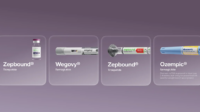
Starting Wegovy or Mounjaro can feel like stepping onto a new metabolic storyline—one where appetite changes, digestion slows or steadies, and routines begin to matter more than ever. In that same spirit, Vitamin D deserves a deliberate place in your day. It’s not just a “nice-to-have” supplement; it supports bone remodeling, immune signaling, mood-related pathways, and muscle function. The timing—how you space Vitamin D around your injections, meals, and side effects—can make the difference between a supplement that simply sits in the background and one that actually fits your body’s rhythm.
Why Vitamin D Timing Becomes More Important on Wegovy or Mounjaro
Wegovy (semaglutide) and Mounjaro (tirzepatide) influence gastric emptying and appetite. When your stomach empties more slowly, what you swallow may linger longer, which can alter absorption patterns for fat-soluble nutrients like Vitamin D. Vitamin D isn’t water-based; it’s fat-soluble, meaning it travels with dietary fats. If your meal composition changes—often the case with these medications—your Vitamin D uptake may shift as well.
Timing, therefore, isn’t superstition. It’s a practical lever. A poorly timed dose may sit in your system while you feel nauseated, too full, or simply not eating enough fat. Conversely, a well-timed dose can align with a meal that supports absorption.
Know Your Form: Vitamin D2 vs D3 and Why It Matters
Before timing decisions, it’s wise to identify the form of Vitamin D you’re taking. Vitamin D3 (cholecalciferol) is commonly preferred for raising and maintaining Vitamin D levels. Vitamin D2 can also help, but many people respond better to D3, especially for long-term maintenance.
How does this connect to timing? If your regimen includes fat with meals, Vitamin D3 tends to take advantage of that absorption window more reliably. So the “when” pairs with the “what.”
Also consider whether your supplement is a single dose or a daily capsule. Daily dosing may produce steadier blood levels; weekly dosing can be simpler, particularly if you’re already working with injection schedules.
Fat-Soluble Logic: Take Vitamin D With a Meal (Not on an Empty Stomach)
Vitamin D works best when taken alongside food—ideally a meal that includes some dietary fat. Think in terms of practical meals, not nutritional perfection. A small amount of fat can help your body package Vitamin D for absorption.
For example, pairing your dose with foods like eggs, avocado, olive oil, yogurt, nuts, or salmon can create a better absorption environment. This is especially relevant when Wegovy or Mounjaro reduces appetite. If you’re eating less overall, you’ll want to ensure your chosen meal isn’t only “air and leaves.”
Short sentence: timing + food = better uptake. Long sentence: when appetite is blunted, you can’t rely on typical eating patterns to carry fat-soluble nutrients—you need to align your supplement with the meals you actually manage.
Best Daily Timing Options: Morning, Midday, or Evening
There isn’t one universal best time, but there are good strategies. Many people choose morning because it’s easier to remember and may pair with breakfast fats. Midday can also work well, especially if nausea tends to fade later in the day. Evening dosing may be acceptable too, though some people find reflux or fullness worsens after taking supplements at night.
Choose based on your body’s pattern. Are you most nauseated after your injection day? Do you feel more stable 24–72 hours later? If so, place Vitamin D away from the worst window. A gentle rule of thumb is to pick a time when you can eat comfortably.
Coordinate With Injection Days: A Thoughtful Approach
Wegovy and Mounjaro injection days are often a pivot point for side effects. Some people feel mild discomfort; others experience nausea, indigestion, or constipation. Vitamin D doesn’t require an empty-stomach “rush.” In fact, taking it during a rougher window might increase the chance that the supplement sits uncomfortably.
A pragmatic method is to take Vitamin D on injection days at a time when you’ve already eaten a tolerable meal. If your first meal of the day is challenging after the shot, wait. Let comfort lead. That may mean choosing midday instead of early morning.
If you prefer weekly Vitamin D, it can help to avoid scheduling it exactly when you tend to feel least steady. That keeps the whole day from turning into a tug-of-war between appetite suppression and supplement tolerance.
Handling Nausea, Fullness, and “Food Aversion”
With GLP-1–based therapy, nausea and fullness can create a form of biochemical avoidance: you may dread eating, even when you understand you need nutrients. Vitamin D can become collateral damage—taken too late, skipped, or taken without enough food fat to support absorption.
If you struggle, consider smaller meal timing. Take Vitamin D after a small but satisfying meal rather than waiting for a full breakfast you can’t finish. If your supplement dose feels heavy, talk to a clinician about alternative forms or dosing schedules. Some people respond well to splitting dosing into smaller amounts (only if it aligns with the product and clinician guidance).
Long sentence: your goal is not only to take the supplement but to make absorption and tolerance easier, so it becomes a consistent, low-friction habit.
Constipation and Digestive Slowness: How Timing Can Help
Constipation is not unusual with Wegovy or Mounjaro. While Vitamin D is not a direct laxative or irritant, constipation can worsen discomfort, and discomfort can make adherence harder. You don’t want your supplement to become another pressure point.
To reduce friction, pair Vitamin D with adequate fluids and dietary fiber. Timing your dose with a meal you already plan to tolerate can indirectly support digestive regularity. Also, consider whether you’re taking other supplements—like calcium or iron—at the same time. Iron can be constipating for some people. Staggering supplements may improve comfort.
Short sentence: digestion sets the tempo.
Calcium, Magnesium, and Vitamin K2: When Stacks Meet Timing
Many people take Vitamin D alongside calcium, magnesium, or Vitamin K2. This “stack” can be effective, but timing and interactions matter. Vitamin D helps with calcium absorption, yet excessive calcium without professional guidance can be counterproductive for some individuals.
Magnesium often supports muscle function and may help with tolerability and relaxation. K2 is commonly used in bone health routines. If you take multiple supplements, take them with the same meal that contains some fat—then avoid overwhelming your stomach.
Common scenario: you take a calcium + D combination at breakfast. If breakfast is inconsistent for you, switching to a later meal can protect adherence. The best timing is the timing you can sustain.
How to Build a Routine That Survives Real Life
The most elegant schedule is the one you’ll follow. When appetite is unpredictable, use anchoring: tie Vitamin D to a fixed event like “after I eat my first meal” or “with my lunch protein.” Long sentences can be forgiving; routines should be practical.
Consider a checklist-style plan. For example: take Vitamin D with lunch containing a small fat source. Keep the capsule next to the plate or water bottle. If you forget, don’t overcorrect—simply resume your next dose at the planned time, unless your clinician instructs otherwise.
What Content to Expect Next: Signs Your Timing Is Working
Your body may not announce Vitamin D success in a dramatic way. That’s normal. Still, certain signals can tell you the timing strategy is more coherent. Energy levels may stabilize gradually. Muscle aches may lessen for some people. Mood may feel less “wobbly.” Bone-related discomfort doesn’t change overnight, but over months, routines can support overall musculoskeletal resilience.
If you have lab work, monitoring is the most definitive feedback. Your clinician may check 25(OH)D levels, and adjustments to dose and timing may follow.
Even so, avoid chasing symptoms day-to-day. Treat timing as a structural improvement, not a daily experiment.
Safety and When to Ask for Personalized Timing
Vitamin D is generally safe when taken within recommended ranges, but excessive dosing can lead to toxicity in rare cases. Risk increases with high-dose regimens, additional supplements, and conditions affecting calcium metabolism. If you have kidney disease, a history of kidney stones, hypercalcemia, or complex medication interactions, personalized guidance is essential.
Also, if you’re taking other fat-soluble vitamins or medications that require spacing, ask how to coordinate them. A clinician can help you map timing so your supplement plan doesn’t compete with your medication side effects.
Putting It All Together: A Simple Timing Framework
Here’s a clean, durable framework: choose a time you can eat comfortably, pair Vitamin D with a meal that includes some fat, and avoid the worst part of your injection-day side effects. Morning works if breakfast is reliable. Midday works if nausea settles later. Evening works if reflux isn’t an issue.
Then keep it consistent. Over time, consistency often matters more than perfection. Your supplement plan becomes a quiet companion to your Wegovy or Mounjaro journey—steady, tolerable, and aligned with how your body is currently digesting and absorbing nutrients.