Vitamin D is a quiet architect. It doesn’t shout; it orchestrates. In the background, it helps your body absorb calcium, supports bone mineralization, and coordinates the metabolism of bone cells. Yet many people live as if sunlight is optional, as if bone health is a distant insurance policy instead of a daily practice. This protocol reframes vitamin D from a vague wellness rumor into a tangible, measurable routine—one that can shift your perspective quickly, and with a little curiosity, change what “healthy aging” feels like.
Below is a practical, bone-forward plan designed to raise vitamin D levels quickly while prioritizing safety, realism, and momentum. You’ll move through sunlight strategy, dietary scaffolding, supplementation logic, testing checkpoints, and lifestyle adjustments that keep your progress from evaporating.
1) Reframe the Mission: From “Low Vitamin D” to “Bone Signal”
Start by changing the mental label. Instead of thinking, “I need vitamin D,” consider, “I need to restore the bone signal that vitamin D controls.” When vitamin D is insufficient, your body can struggle to absorb calcium effectively. That doesn’t always announce itself as pain. Sometimes it’s a slow drift: subtle changes in muscle function, occasional aches, a sense of sluggishness. Bones may feel “fine” right up until they don’t.
This protocol invites a different question: What conditions help vitamin D’s job happen? The answer is not one single lever. It’s a constellation—sun exposure, nutrition, supplement dosing when appropriate, and verification through testing. The curiosity you cultivate here matters. Momentum makes compliance easier. And compliance is where outcomes are born.
2) Know Your Baseline: Testing as a Compass (Not a Judgment)
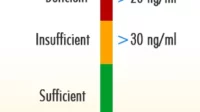
Quick progress needs a reference point. Ask for a blood test that measures 25-hydroxyvitamin D, often written as 25(OH)D. This is the common marker used to assess your vitamin D status. If your levels are low, you’ll have clarity. If they’re borderline, you’ll avoid overcorrecting.
Testing doesn’t just quantify—it protects. It reduces guesswork and helps you tailor the protocol to your physiology. Also consider discussing calcium (and sometimes parathyroid hormone, magnesium, and kidney function) with a clinician, especially if you’ve had kidney stones or other metabolic concerns. Bone health is delicate chemistry; it deserves a measured approach.
3) Sunlight Strategy: Precision Over Vibes
Sunlight is the original vitamin D factory. But it’s not created equal. The “how” matters: time of day, skin tone, latitude, season, clothing coverage, and even air quality.
Practical approach: Aim for midday exposure when UVB is strongest (commonly late spring through early autumn, depending on location). Start with short, consistent sessions rather than chasing extremes. Many people do well with a routine like 3–10 minutes of effective exposure on arms and legs several times per week, then adjust based on response and comfort.
Safety constraints: Avoid sunburn. If you burn easily, decrease exposure time and prioritize other sources—food and supplementation. Sunscreen complicates vitamin D synthesis; however, sun safety still matters. If you require sunscreen for protection, consider pairing limited sun exposure with supplementation rather than attempting to “outsmart” UV safety.

4) Dietary Scaffolding: Build Vitamin D’s Supporting Cast
Food alone often won’t move vitamin D levels quickly, but it can support and sustain your gains. Think of diet as the scaffolding that keeps bone building steady while your body recalibrates.
Vitamin D-rich options:
• Fatty fish (salmon, sardines, mackerel)
• Fortified dairy or plant milks (check labels for vitamin D content)
• Fortified yogurt and cereals (as applicable)
• Egg yolks (smaller amounts, but useful)
• Mushrooms exposed to UV light (some varieties contain vitamin D, though potency varies)
Pair nutrition with adequate calcium intake. Vitamin D and calcium are collaborators, not substitutes. If you increase vitamin D but your calcium supply is flimsy, the “bone script” may not be performed as effectively.
5) Supplement Protocol: A Structured, Bone-Centered Ramp
If you want quicker elevation, supplementation is usually the most controllable lever—especially during months when sunlight is weak or during times when outdoor exposure is limited.
Key idea: The correct dose depends on your baseline level, body weight, absorption factors, and whether you’re aiming for maintenance or repletion.
Common clinical strategies often use daily or weekly vitamin D3 (cholecalciferol) with reassessment after a few weeks. Some people start with a higher “repletion” dose and then transition to a maintenance dose. However, avoid improvisation if you have kidney disease, a history of hypercalcemia, sarcoidosis, or other granulomatous conditions. In those cases, the wrong approach can backfire.
When supplementing, consider that vitamin D is fat-soluble. Taking it with a meal containing dietary fat can improve absorption. Also think about medication interactions; for example, certain anticonvulsants can affect vitamin D metabolism.
6) The “Why It Matters” Lens: Bone Cells Respond to Timing
Bone health isn’t a single event. It’s a dynamic process. Vitamin D influences osteoblast activity (bone-forming cells) and osteoclast regulation indirectly through calcium homeostasis. This means you may notice changes before your vitamin D number looks dramatically different—especially in muscle comfort, strength tolerance, or reduced cramp propensity.
Longer-term, a stable vitamin D status supports more consistent mineral deposition. Short-term correction can help set the stage, but bone remodeling cycles still require time. Think in terms of weeks for biochemical shift, and months for structural reassurance.
7) Lifestyle and Absorption Variables: Remove Friction
Even with perfect dosing, vitamin D can be sabotaged by “absorption friction.” Consider these influencers:
• Body composition: Vitamin D can distribute into fat tissue, sometimes requiring more time to reach target levels.
• Gut health: Malabsorption syndromes, inflammatory bowel disease, or certain bariatric procedures can reduce uptake.
• Magnesium status: Magnesium participates in vitamin D metabolism. Low magnesium can limit vitamin D’s effectiveness.
• Alcohol intake: Excessive consumption can disrupt endocrine function and nutrient handling.
• Sleep and stress: These don’t directly “create vitamin D,” but they influence adherence and recovery rhythms.
This is where your perspective shift becomes tangible. You’re not merely taking vitamin D—you’re optimizing the environment in which vitamin D becomes actionable.
8) Monitoring and Adjustment: The Second Act
After starting the protocol, recheck levels. A common window is about 6–8 weeks, depending on your initial deficiency severity and dosing strategy. Monitoring prevents two failure modes: stopping too early or continuing unnecessarily.
If levels rise but remain below desired targets, you may need a dose adjustment, improved adherence, or additional absorption support. If levels rise quickly but approach the high end, you may transition to a lower maintenance dose. This “titrate and retune” approach keeps your plan elegant rather than chaotic.
9) Safety Boundaries: Speed Without Recklessness
Quick improvement is exciting, but safety draws the line between efficacy and risk. Vitamin D excess can increase calcium absorption too aggressively, potentially leading to hypercalcemia symptoms such as nausea, constipation, excessive thirst, frequent urination, fatigue, or confusion.
Stay attentive. Use testing. Avoid megadoses without clinical oversight. If you’re pregnant, elderly, or managing chronic conditions, professional guidance is especially important.
10) A Sample “Fast-Start” Weekly Rhythm (Protocol Overview)
Here’s a cohesive rhythm that many people can follow. Adapt to your context:
• Daily: Take vitamin D3 with a meal containing fat (dose individualized). Keep calcium intake consistent via diet or clinician-advised supplements.
• 3–5 times per week: Use brief midday sun exposure on exposed skin, without burning, adjusting to your skin sensitivity.
• Every day: Include vitamin D-supporting foods—fatty fish or fortified dairy/alternatives.
• Week 6–8: Retest 25(OH)D and review calcium and relevant markers with a clinician.
It’s not glamorous. It’s systematic. And that’s the point: bones respond to regularity. Your body doesn’t crave novelty; it craves continuity.
11) The Curiosity Closing: What Changes When You Act?
Once you follow a protocol, you gain something beyond numbers. You gain a sense of authorship over your bone health. The plan makes vitamin D feel less like a trivia card and more like an instrument you can tune.
Give it time, respect the safety boundaries, and treat testing like a compass rather than a verdict. Then watch your routine become a quiet narrative of repair—one that turns vitamin D from an abstract deficiency into a concrete pathway toward resilient bones.