Have you ever sat up at exactly 3 AM, heart thudding like a drummer testing a new rhythm, while the rest of the world remains politely asleep? It feels oddly specific, doesn’t it—like your body is sending a midnight memo. One possibility hiding in plain sight is vitamin D deficiency. Not the dramatic kind that screams with obvious symptoms, but the quieter, more mischievous kind that can nudge your sleep architecture toward disruption. Consider this: what if that wake-up call is less about “mystery insomnia” and more about a biochemical plot twist?
Here’s a small challenge, just to make the idea stick: next time you wake at 3 AM, don’t immediately blame your pillow or your thoughts. Ask a better question. Ask whether your vitamin D status might be quietly sabotaging your body’s nightly negotiations.
That 3 AM Moment: The Body’s Restless Interruption
Sleep is not a single blanket; it’s a sequence of stages, like chapters in a novel. At certain points—often in the later night—your brain cycles into different patterns of activity: lighter sleep, micro-awakenings, and occasional arousal. Most people experience brief awakenings. The problem is when you become fully awake, alert, and aware enough to feel stuck in the in-between.
Vitamin D deficiency may contribute to this in indirect but meaningful ways. Vitamin D is often discussed for bones, yet it also functions like a hormonal regulator—helping manage immune signaling, inflammation, and neuromuscular function. When vitamin D is low, the body can become more reactive. That reactivity can show up as discomfort, stress-like physiology, and a nervous system that doesn’t want to fully power down.
So while 3 AM isn’t a “universal symptom clock,” it can be a recurring pattern for some people. Your schedule might be different, but the theme—nighttime wakefulness—can overlap with deficiency-related effects.
Vitamin D: More Than Sunlight for Bones
Vitamin D behaves like a multitasker. It supports calcium absorption and bone mineralization. Yet beyond that, it influences many systems that shape your daily resilience—including the nervous system and immune function.
Some researchers describe vitamin D as “neuroactive,” meaning it can affect pathways involved in mood regulation and brain function. If those pathways are nudged off balance, sleep can become more fragmented. Long sentences sometimes mask a complicated story—but the core idea is simple: low vitamin D may correlate with poorer sleep quality and more frequent nighttime awakenings.
Also, consider the immune system. In a low-vitamin D state, inflammatory signaling can lean upward. Inflammation and sleep are entangled. When your body is inflamed, it may not transition cleanly through restorative stages. The result? You wake, you notice everything, and rest feels suddenly optional.
The Playful Suspect List: Other Signs That Travel With Low Vitamin D
Waking at 3 AM can be a clue, but it’s rarely the only one. Vitamin D deficiency often appears as a constellation—several small signs that seem unrelated until you zoom out.
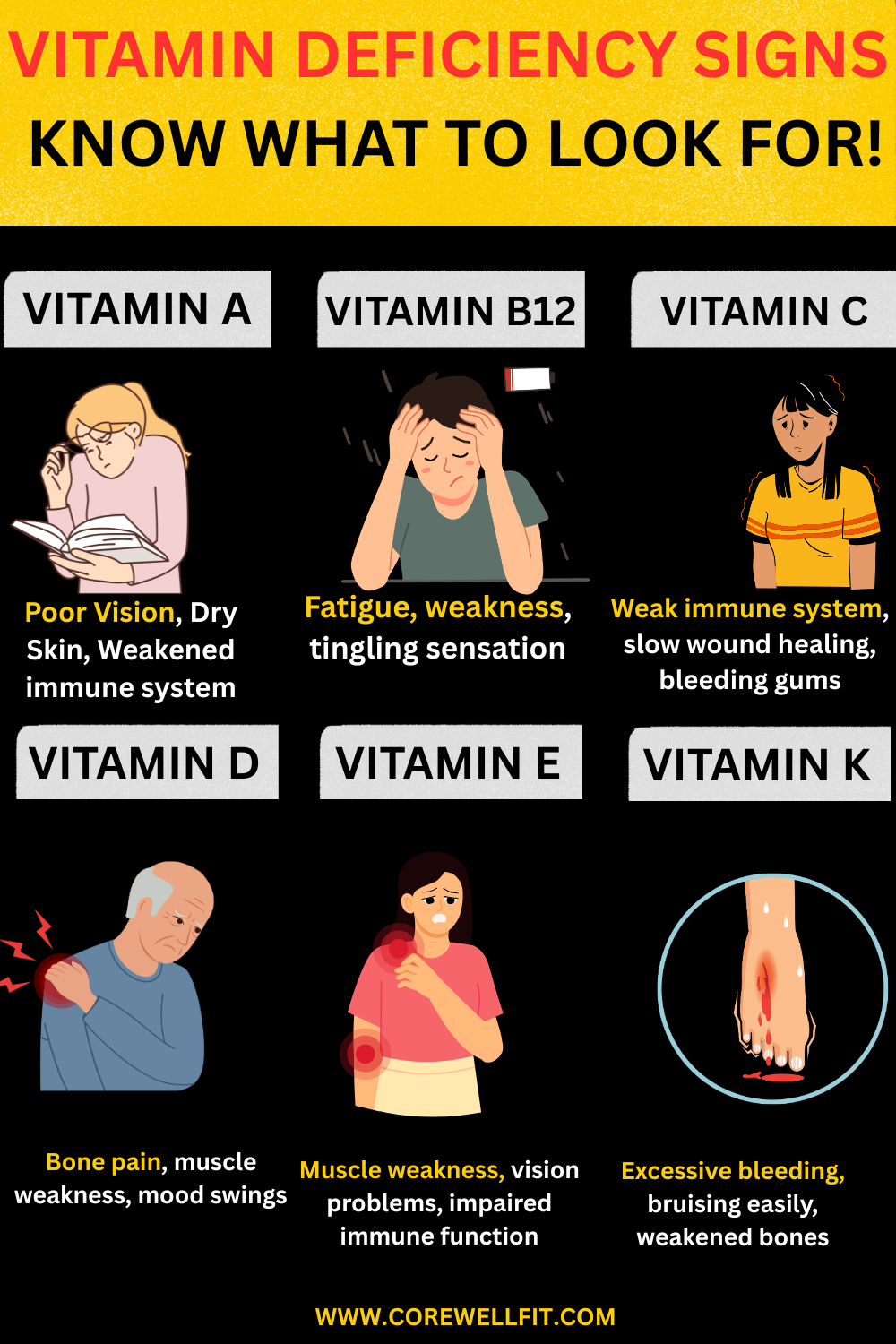
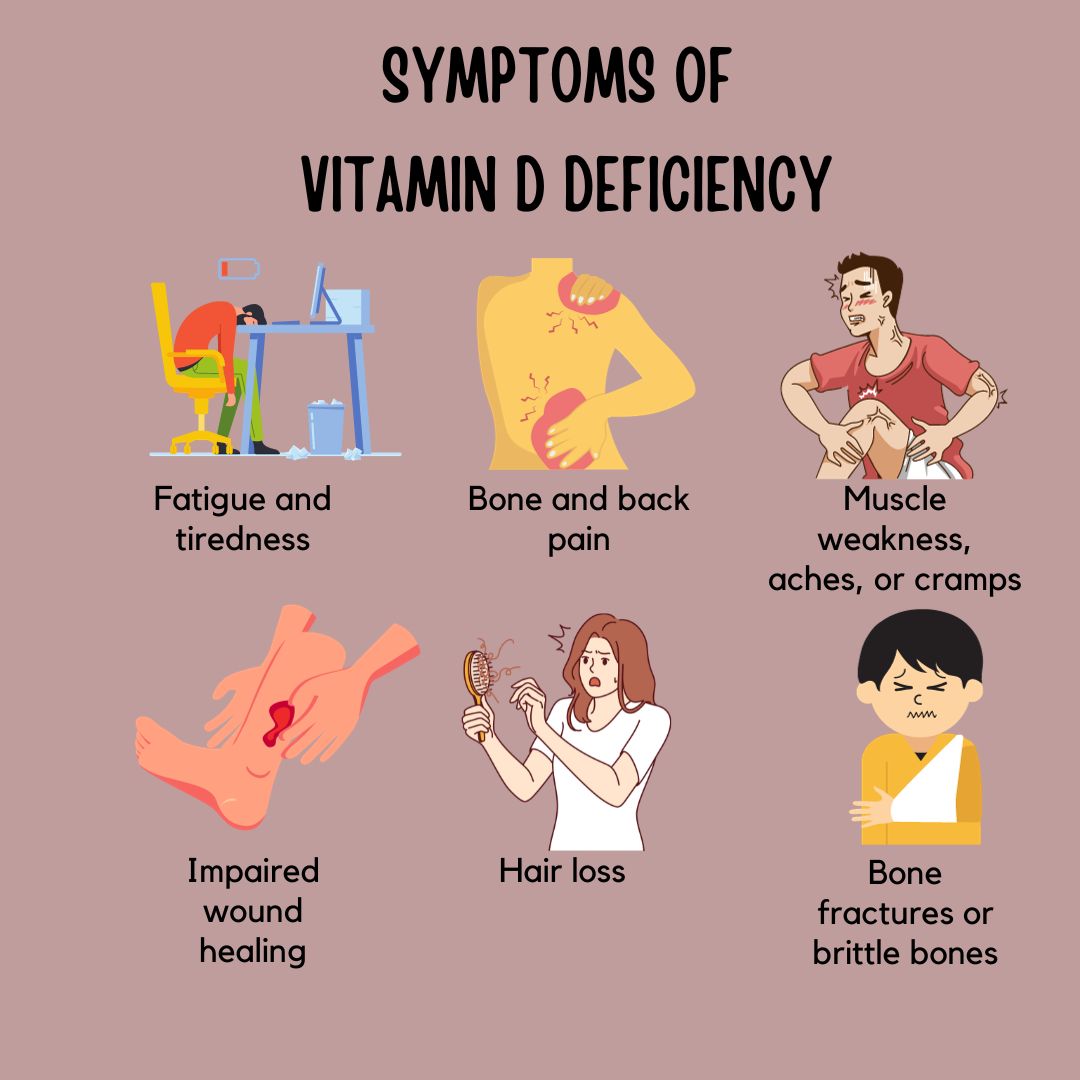
Common companions include:
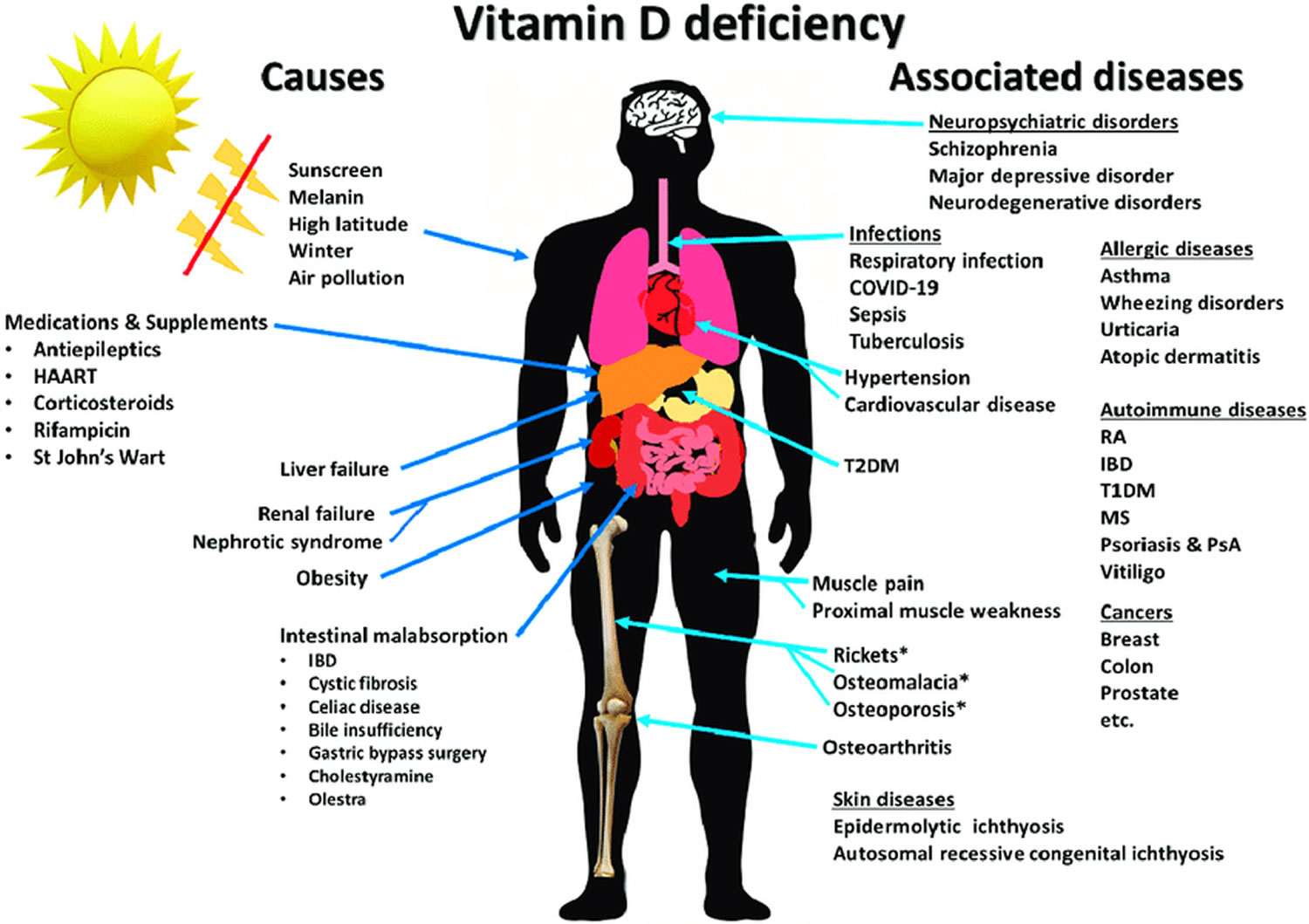
• Muscle aches or weakness: especially in thighs, hips, or back—like your muscles are carrying an invisible backpack.
• Fatigue: not just “sleepy,” but a heavy, dragging kind of tiredness.
• Mood changes: restlessness, low mood, or irritability that feels like it arrived uninvited.
• Frequent infections: more colds or lingering respiratory issues.
• Bone discomfort: tenderness or vague skeletal pain.
When these signs overlap with nighttime awakenings, the storyline becomes harder to dismiss. Your body may be telling you that the foundations—calcium regulation, immune balance, and nerve signaling—aren’t operating at optimal settings.

Why Deficiency Can Disrupt Sleep: The Biological Thread
Let’s connect the dots without pretending the puzzle is trivial. Several mechanisms can plausibly link low vitamin D with sleep disturbance.
1) Inflammation and cytokine signaling. Vitamin D helps modulate immune responses. If it’s low, inflammatory mediators may increase. Inflammation can interfere with sleep continuity—especially during the night when your system is already shifting gears.
2) Neuromuscular discomfort. When vitamin D is insufficient, muscles and bones may ache more easily. Micro-discomfort can become noticeable in the quiet of night. A small twinge can turn into full wakefulness once your brain is fully alert.
3) Mood and stress pathways. Sleep is also emotional physiology. Vitamin D may influence neurotransmitter-related processes and stress resilience. A body under subtle strain might not settle into deep rest as efficiently.
None of these guarantees that vitamin D deficiency is the cause. But if your sleep is consistently fractured, and other indicators appear in parallel, the deficiency hypothesis gains credibility.
Who Is at Risk for Low Vitamin D—and Might Feel It at 3 AM?
Vitamin D status depends on multiple variables. Sunlight exposure is a major source, but it’s not the only factor. Risk increases when:
• You have limited sun exposure: indoor lifestyles, high latitudes, cloudy climates, or heavy use of sun-protective clothing.
• You have darker skin tones: more melanin reduces vitamin D synthesis from UVB light.
• You live in a routine where outdoor time is scarce: winter schedules, shift work, or long commutes.
• Your diet lacks vitamin D: few fatty fish, fortified foods, or supplements.
• You have absorption issues: certain gastrointestinal conditions or bariatric surgery can reduce uptake.
• You’re older: skin synthesis tends to decline with age.
If any of these fit your life, that 3 AM awakening could be an unglamorous hint rather than a random glitch.
Testing the Theory: How to Confirm (Without Guessing Forever)
If the 3 AM wake-ups are persistent, it’s reasonable to investigate systematically. The most common blood test measures 25-hydroxyvitamin D—the primary circulating form. This test helps determine whether your levels are low, borderline, or adequate.
Testing matters because supplementation isn’t a creative writing exercise. Too little may keep your body in a state of biochemical compromise. Too much can also be problematic. A clinician can interpret results alongside your medical history, dietary intake, and symptoms.
Consider also evaluating related factors: calcium, kidney function, and general health context. Sleep is influenced by more than one variable, after all. Thyroid disorders, stress, sleep apnea, restless legs syndrome, and medication effects can all mimic or compound the symptoms.
Practical Next Steps: Sunlight, Food, and a Safer Supplement Strategy
Once deficiency is confirmed—or strongly suspected—an action plan can be built.
Sunlight: sensible exposure can help. Timing, skin type, latitude, and season all matter. Think of sunlight as a tool, not an obsession.
Diet: fatty fish, fortified dairy or plant alternatives, egg yolks, and fortified cereals can contribute. Diet alone may be insufficient for marked deficiency, but it’s a valuable foundation.
Supplementation: many people use vitamin D3. The right dose depends on your lab results, body weight, baseline level, and whether you’re correcting deficiency versus maintaining. Recheck labs after a reasonable interval to verify progress.
And here’s the gentle truth: improving vitamin D status doesn’t instantly erase midnight awakenings like a magician producing a coin. It may take weeks for sleep patterns to settle as physiological systems recalibrate.
When to Take the 3 AM Wake-Up Seriously (Red Flags Included)
Sometimes a wake-up is more than a vitamin issue. Seek medical advice promptly if you experience:
• Loud snoring or choking/gasping during sleep (possible sleep apnea)
• Restless, urge-to-move sensations in the legs at night (possible restless legs syndrome)
• Severe pain that repeatedly interrupts sleep
• Unexplained weight loss, fever, or persistent night sweats
• New insomnia that rapidly worsens
Even when vitamin D is part of the story, other conditions may be simultaneously pulling the strings.
The Closing Question: Is Your Midnight Awake a Signal or a Coincidence?
So—why you wake up at 3 AM? The answer might involve stress, sleep habits, room temperature, or even your nervous system’s learning curve. But if vitamin D deficiency signs are present—muscle aches, fatigue, mood shifts, frequent infections—then the midnight awakening could be a biological signpost.
Try this narrative experiment for a month: track your wake-ups, note daytime symptoms, and consider sunlight and diet consistency. Then, test the hypothesis with a blood vitamin D measurement. If the level is low, correcting it could help your body resume its nightly negotiations—quietly, steadily, and with less resistance when the clock hits that strange hour again.