Vitamin D deficiency can feel like a dimmer switch stuck halfway down—sunlight is present in theory, but the body’s ability to translate it into protective action is muffled. Treatment, then, becomes less a single decision and more a two-act play: loading to quickly refill the depleted reservoir, followed by maintenance to keep the reservoir brimming. Understanding the difference is crucial, because dosing is not merely arithmetic; it’s choreography—timing, intensity, and duration all matter.
Why Vitamin D Deficiency Needs a Two-Stage Strategy
Think of vitamin D as a fortress resource stored in a high tower. When stores run low, the gates open to vulnerability: bones become less sturdy, muscles can feel oddly uncooperative, and the immune system may struggle to mount a coordinated response. Yet the body doesn’t replenish the fortress instantly. It requires an intentional ramp-up.
That is where a two-stage regimen shines. The first stage—loading—is designed to rapidly restore circulating and tissue-available vitamin D. The second stage—maintenance—acts like a vigilant caretaker, preventing the tower from draining again. Short sentences are helpful here: the goal isn’t “take more forever.” The goal is “replenish, then stabilize.”
The Metaphor of Loading vs Maintenance
Loading is like throwing sandbags into a flood channel during a sudden surge. It’s urgent, purposeful, and time-limited. Maintenance is like keeping levees inspected and the flow controlled after the storm passes. Maintenance is quieter, steadier, and often longer.
When clinicians choose loading, they are acknowledging the deficiency’s inertia—vitamin D levels don’t rebound meaningfully without adequate “force.” When they choose maintenance, they are acknowledging reality’s persistence—most people continue to have some degree of limited sunlight exposure, dietary intake, or absorption inefficiency.

Loading Doses: The Rapid Refill Phase
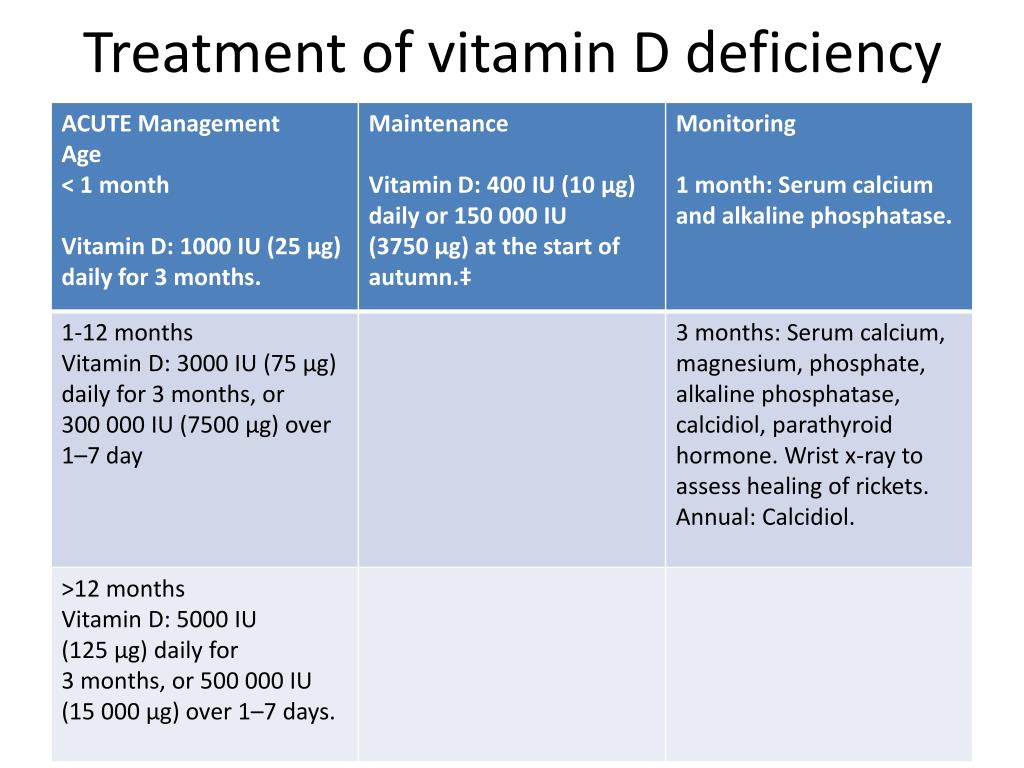
Loading doses are structured to lift vitamin D status over a relatively short window. This window can be weeks, not months. The intent is to achieve a functional threshold—enough vitamin D to support calcium metabolism, bone mineralization, and broader physiological signaling.
Dosing during loading often differs by age, baseline severity, and clinical context. Some individuals have mild insufficiency; others have levels low enough to warrant a more assertive approach. The higher the deficit, the more loading must behave like a controlled intervention rather than a gentle nudge.
Typical clinical approaches may include:
- Higher daily doses for a limited period.
- Weekly or intermittent dosing schedules, especially when adherence to daily regimens is challenging.
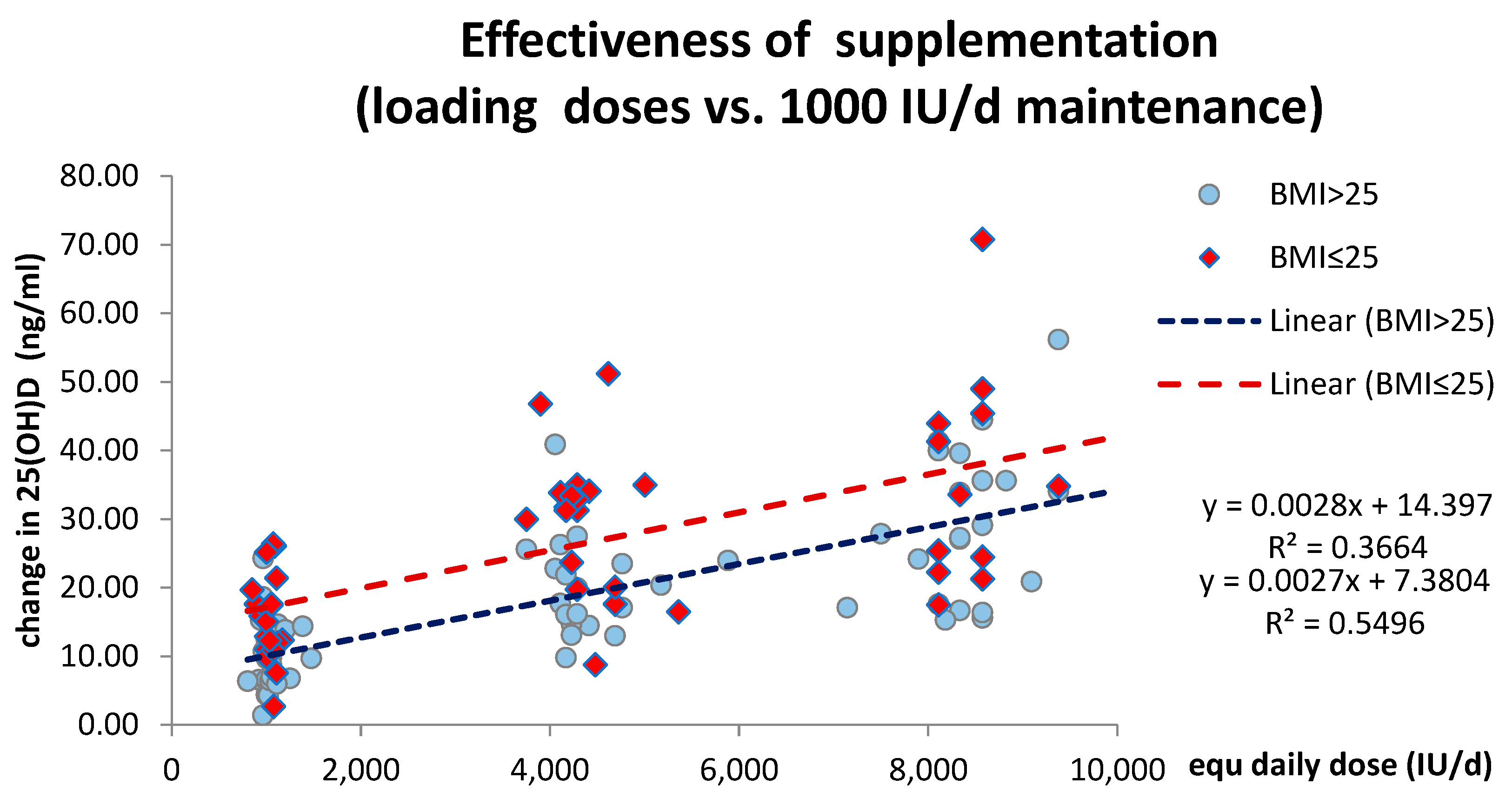
- Regimen tailoring for malabsorption syndromes, obesity, chronic liver disease, or medications that affect vitamin D metabolism.
Uncommon nuance matters. In practice, loading isn’t only about total dose; it’s about absorption efficiency and pharmacokinetic behavior—how quickly vitamin D is processed, transported, and converted into its active forms. A person’s gut can behave like a complicated lock, and the loading dose is the key that must fit.
Maintenance Doses: The Long Horizon Stabilizer
After loading, the body has to learn steadiness. Maintenance dosing prevents the “re-dilution” of vitamin D stores. Without maintenance, levels often drift downward again, especially if sunlight exposure remains minimal or dietary intake stays modest.
Maintenance doses tend to be lower than loading doses, but they last longer. They may be taken daily, weekly, or as periodic regimens depending on the product and patient preference. The best maintenance strategy is the one that can survive real life: travel, inconsistent meals, variable schedules, and the everyday friction that derails ideal adherence.
Maintenance dosing also considers biological feedback. If a patient’s level remains suboptimal despite adherence, the maintenance dose may be adjusted upward. If levels rise too high—or if calcium levels become troublesome—maintenance may be reduced. It’s an iterative process, like tuning an instrument to match the room’s acoustics.
How Clinicians Choose the Dose: Severity, Age, and Risk
Dose selection is rarely one-size-fits-all. Clinicians often evaluate deficiency severity, symptoms, and risk factors. A markedly low level may justify an aggressive loading plan; a borderline insufficiency might call for a gentler ramp and quicker transition to maintenance.
Age matters. Infants, children, adolescents, and adults each have distinct dosing considerations due to body size, metabolism, and developmental needs. Pregnancy and lactation also influence decisions, because vitamin D supports both maternal and fetal physiology.
Other risk factors can function like “dose multipliers” for practical purposes:
- Malabsorption (e.g., celiac disease, inflammatory bowel disease)
- Obesity (vitamin D can be sequestered in adipose tissue)
- Kidney or liver dysfunction (conversion steps may be impaired)
- Medications such as anticonvulsants or certain glucocorticoids
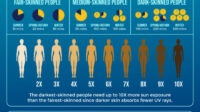
Even lifestyle isn’t a footnote. Skin pigmentation, latitude, clothing coverage, and seasonal sunlight variability can meaningfully alter vitamin D status.
Route and Formulation: D3, D2, and Practical Delivery
Vitamin D comes in different forms, and not all regimens feel identical in the body. Many treatment plans favor vitamin D3 (cholecalciferol) for its robust performance in raising circulating 25(OH)D levels. Still, formulation choice can depend on availability, patient preference, and clinical protocol.
Delivery form matters too: tablets, capsules, drops, and chewables each carry different adherence advantages. Adherence is not a secondary outcome—it’s the mechanism. If a person consistently takes the medication, the best dosing plan becomes real; if not, even a theoretically perfect regimen can fail like a lighthouse with no power.
Monitoring and Safety: Avoiding the Overshoot
Loading strategies are powerful, but they demand respect. Too much vitamin D can contribute to hypercalcemia, with symptoms such as nausea, constipation, excessive thirst, confusion, and in severe cases, kidney complications. This is why monitoring and dose adjustment are important—especially in high-risk individuals or those taking prolonged high-dose therapy.
Common monitoring considerations include:
- Serum 25(OH)D to evaluate repletion status
- Serum calcium when risk is elevated or symptoms appear
- Kidney function when clinically indicated
A measured approach prevents the “overshoot phenomenon,” where well-intentioned dosing pushes levels beyond the therapeutic zone. The guiding principle is to use loading to correct a deficit, not to create a new problem.
Special Situations: Children, Pregnancy, and Malabsorption
In children, dosing must account for growth, dosing accuracy, and the realities of caregiver administration. Liquid drops may improve precision. Weekly regimens may improve adherence. The overarching goal is still the same: restore deficient stores quickly, then maintain them with an age-appropriate schedule.
During pregnancy, vitamin D management often aims to support maternal bone health and optimize fetal development. Decisions may depend on baseline levels, dietary intake, and risk factors for limited sun exposure. Here, careful monitoring can become a quiet form of reassurance.
In malabsorption, the body’s “absorption conveyor belt” runs slowly. This can require different dosing intensity or formulations. In some cases, clinicians may consider alternative strategies or longer loading phases before transitioning to maintenance.
Putting It All Together: A Cohesive Treatment Journey
Imagine a timeline with two clear landmarks. First comes loading: a purposeful sprint to lift vitamin D status. Next comes maintenance: a long, steady routine that keeps the body’s biochemical systems calibrated.
Adherence, monitoring, and personalization are the true pillars. The most effective dosing plan isn’t the one with the highest number. It’s the one that correctly matches the person’s deficiency severity, risk profile, and lifestyle—then follows through with a maintenance regimen that doesn’t let the reservoir run dry again.
Vitamin D therapy works best when it feels less like guesswork and more like navigation. The deficiency is the fog; loading is the burst of clarity; maintenance is the compass that keeps you on course.