Vitamin D is one of those nutrients that sounds simple until you look closer: D2 or D3, tablets or gummies, and—most importantly—how much vitamin you’re actually buying for each dollar. If you’ve ever wondered whether your pharmacy’s “cheap” option is truly cheaper, the cost per IU comparison is the missing lens. In this article, we’ll walk through Vitamin D3 vs D2 from a practical consumer angle, focusing on cost per IU using US-style retail pricing, and mapping what those numbers mean for real dosing decisions.
Why “cost per IU” is the only comparison that matters
Shopping for vitamin D without calculating cost per IU is like comparing phone plans by the number of apps. The unit matters. Vitamin D products vary wildly in potency, from small drops to high-dose capsules, and even the label can be a maze of “IU per serving” versus “IU per capsule.”
Cost per IU turns all that into a single, comparable metric. The basic formula is straightforward:
(Price paid) ÷ (Total IU in the bottle) = Cost per IU.
Short sentence: if two products claim different IU amounts, you can’t compare them fairly by sticker price. Long sentence: even when the cheaper option looks better at first glance, the math sometimes reveals it’s more expensive per IU because it simply contains less vitamin D per dollar.
D2 and D3: same nutrient family, different molecular “personalities”
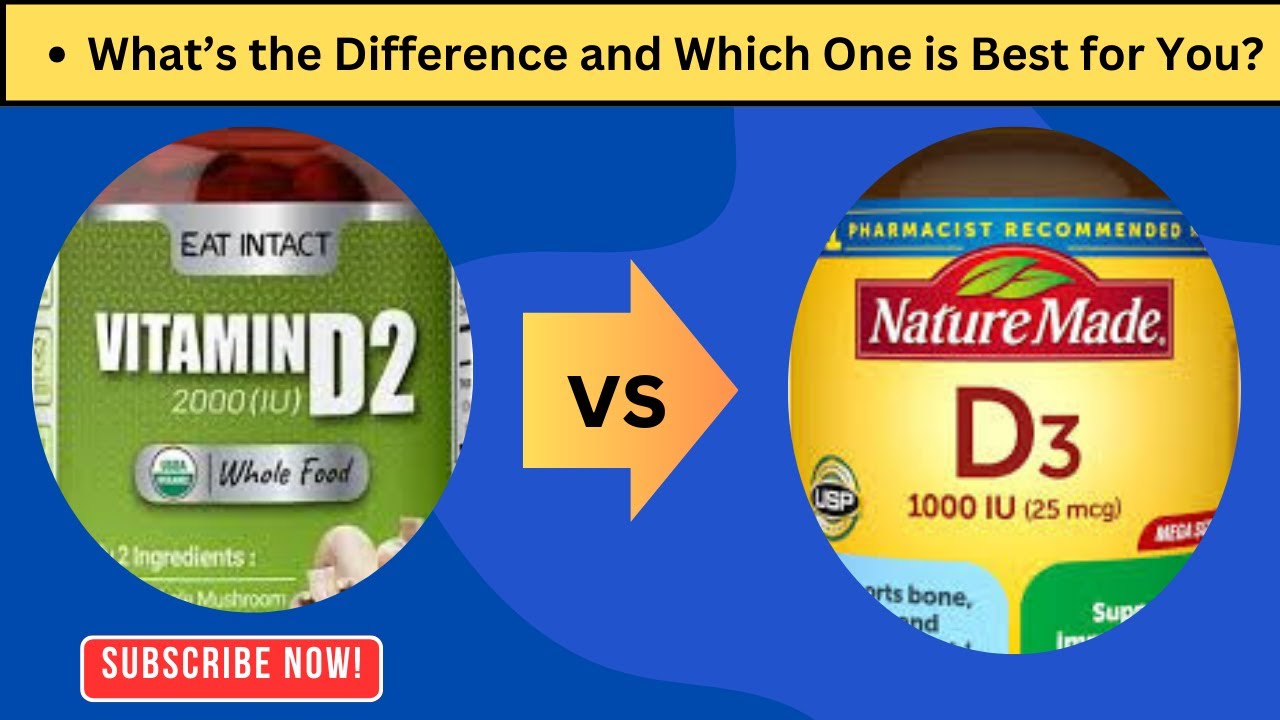
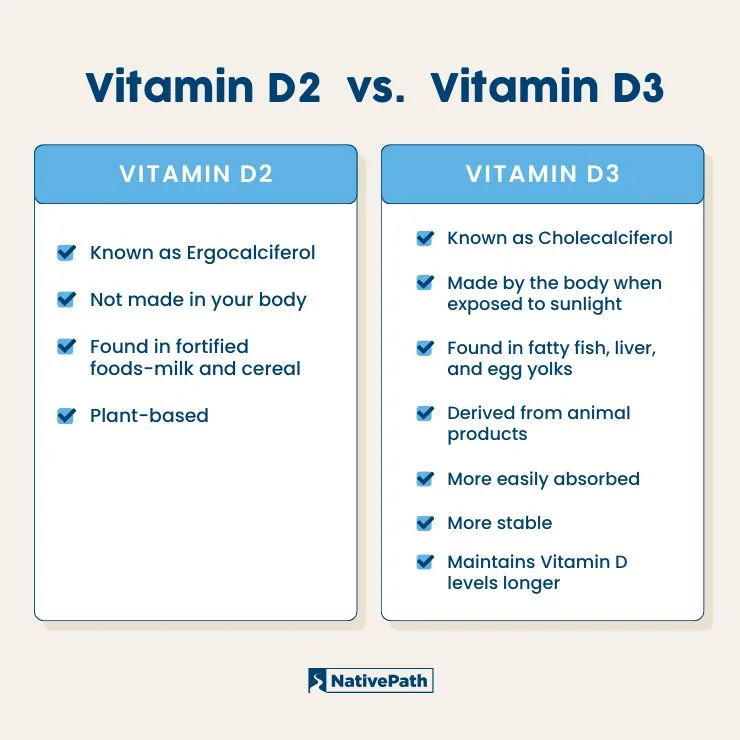
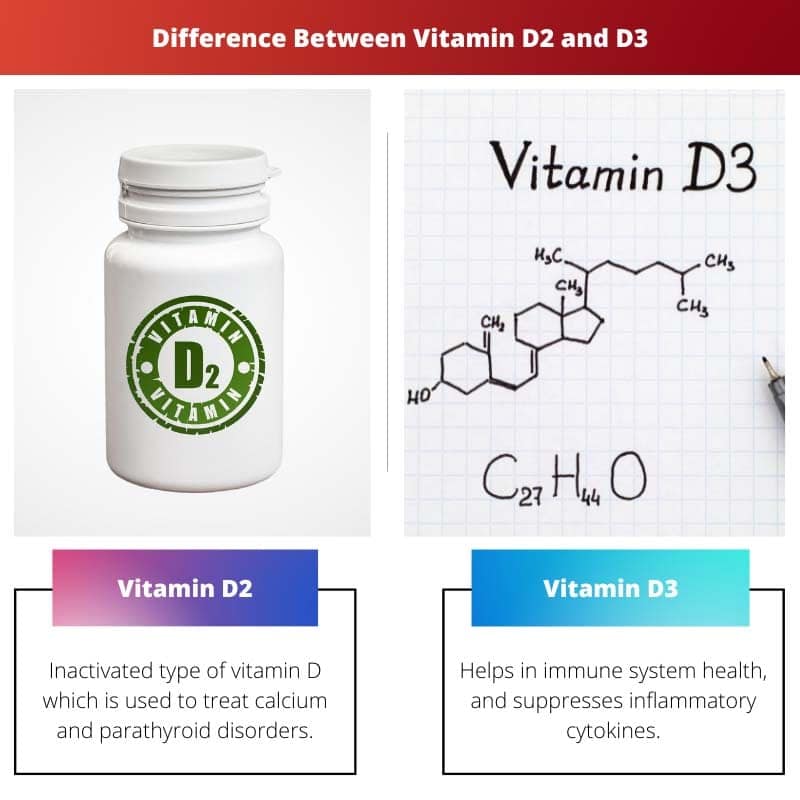
Vitamin D2 and D3 both help support vitamin D status, yet they originate from different biological pathways. D2 is typically derived from plant or fungal sources (often ergocalciferol), while D3 is associated with animal sources and is also synthesized in human skin through UV exposure (often cholecalciferol).
In everyday terms, D3 often behaves like a more reliable workhorse. Many lab and clinical discussions emphasize differences in how these forms circulate and persist, which can influence dosing strategy. Short sentence: if D3 tends to maintain status more consistently, then a slightly higher price might be offset by fewer IU needed.
Long sentence: that’s why cost per IU alone isn’t the whole story; effectiveness per IU—how much “impact” you get from each IU—can change the economic outcome. Still, for shoppers, the first step is always comparing price per IU to avoid buying the wrong kind of “bargain.”
How US pricing typically shakes out: the retail math behind the label
US prices for vitamin D fluctuate with brand reputation, capsule form, and retailer margins. But a pattern often emerges: D3 is commonly sold in mainstream supplements at a range of dosages—1,000 IU, 2,000 IU, 5,000 IU, and higher—while D2 frequently appears either in lower-cost generic offerings or in clinician-directed dosing formats.
Here’s what readers can expect from real-world shelf shopping:
1) D3 often has more convenient daily dosing options—which can help reduce missed doses.
2) D2 may be cheaper per capsule, but the total IU per container can differ enough to erase the apparent savings.
3) Form matters: capsules, tablets, and drops can have different manufacturing and packaging costs.
Long sentence: when you compute cost per IU across products, you sometimes find that the “premium” D3 is not premium at the unit level, while at other times D2 genuinely wins on pure affordability—especially in short-term, high-dose scenarios.
Cost per IU comparison: what you should look for in price tags
To compare D3 vs D2 like a competent consumer, scan four label details before buying:
• Total IU per serving (not just per pill if the serving is defined differently).
• Servings per container.
• Total container IU (IU per serving × servings).
• Price (in-store or online).
Short sentence: once you have those, calculate cost per IU. Long sentence: that figure lets you compare a 2,000 IU D3 capsule against a 50,000 IU D2 tablet on equal footing—without relying on gut feelings about “cheap” or “expensive.”
It’s also worth noting that some listings bundle other ingredients (calcium, magnesium, or “with K2”). Those additions can distort comparisons. If your goal is a clean cost-per-IU metric, use a vitamin D–only product when possible.
Daily dosing vs occasional dosing: economics across time
Many people do not think in terms of time horizons, but pricing outcomes depend on how long you plan to supplement. D2 products sometimes come in schedules that feel “intermittent,” such as higher-dose regimens. D3 products often come in steady daily doses.
Short sentence: a regimen changes how you experience value. Long sentence: if you choose a daily D3 option, you reduce dosing friction, which can translate into better adherence and therefore better cost-effectiveness—especially for individuals who dislike skipping pills or remembering weekly doses.
If your plan includes frequent reordering, unit cost matters even more. A lower cost per IU can still be worth less if the bottle is less convenient to use or if the dose frequency increases the chance you’ll drop off the routine.
Budget scenarios: who usually benefits from D2 vs D3
D2 tends to appeal when: the unit pricing is favorable, the product is easy to administer, and the dosing schedule aligns with your comfort level. Some readers prefer an economical option for short-term correction, especially if a healthcare professional has suggested a specific dosing cadence.
D3 tends to appeal when: shoppers want broad dosing flexibility, consistent daily intake, and an overall “set it and forget it” experience. For long-term maintenance, convenience is not a trivial variable; it’s a silent multiplier of real-world value.
Long sentence: the best choice is rarely one-dimensional. It’s often a blend of cost-per-IU, expected durability of vitamin D status, and the likelihood you’ll actually take the supplement as intended.
Hidden costs: shipping, wastage, and the “dose-per-tablet” trap
Economics can hide in the fine print. Shipping costs can turn a slightly cheaper unit price into a net loss. Also, containers may differ in how easily you can divide or taper doses.
Wastage can occur when a regimen changes mid-bottle or when high-dose products are used briefly and then discontinued. Short sentence: those leftovers are a budget leak.
Long sentence: even if D2 wins the cost-per-IU race at checkout, the true cost per effective IU can shift if adherence drops, dosing becomes confusing, or you don’t finish the product according to plan.
How to interpret your results: translating IU costs into outcomes
Cost per IU is a means, not an end. Ultimately, readers want better vitamin D status—often monitored through 25(OH)D blood levels. A higher-cost option can still be the more economical option if it helps you reach and maintain target levels with fewer adjustments.
Short sentence: interpret your strategy, not just your receipt.
Long sentence: if you’re testing levels and adjusting, the “best deal” is the one that supports predictable biological outcomes with minimal guesswork. That’s where D3 often earns its reputation—though individual response varies.
What different readers can expect next: choosing a direction, not a winner
This section is for the reader who wants a practical next step. If your priority is pure affordability per IU, compute cost per IU between comparable dosing forms (ideally vitamin D only). If your priority is long-term maintenance and consistency, focus on both unit cost and daily usability.
For the detail-oriented shopper, compare multiple brands at the same IU strength to avoid misleading label differences. For the minimalist, look for a straightforward D3 option with transparent IU counts and no confusing blends.
Short sentence: the “right” vitamin D is the one that fits your plan. Long sentence: when you align unit economics, adherence, and dosing simplicity, cost per IU becomes more than a spreadsheet—it becomes a decision tool.
Bottom line: the value story of D3 vs D2
Vitamin D3 vs D2 is not simply a question of which is better in theory. It’s a question of how effectively each IU you buy contributes to sustained vitamin D status—combined with the practical reality of US retail pricing, dosing convenience, and how faithfully you can follow the regimen.
So when you compare costs per IU, treat it as the beginning of the story, not the conclusion. Calculate it, cross-check the label, and then choose the product that makes your supplementation routine feel frictionless. In the long run, that’s where the “cheapest” option can become the most expensive one—and where D3 can often prove its worth, IU by IU.