Imagine sunlight as a distant conductor, quietly cueing your body’s chemistry—while supplements act like a reliable understudy: always present, always ready, never demanding a spotlight. The hybrid approach—low-dose supplements plus sensible sun exposure—tries to blend those roles into a single, more harmonious performance. It’s not about extremes. It’s about cadence. It’s about giving your physiology enough signal to stay adaptable, even when weather, schedules, or seasons refuse to cooperate.
Sunlight as the First Language
Sun exposure is the body’s most ancient interface with vitamin D production. Think of it as an etching tool rather than a paintbrush: light does not just “add” something; it nudges a cascade of transformations, step by step, until a usable resource emerges. When you use sensible sun—consistent, moderate, and respectful—you’re essentially speaking the language your skin already knows.
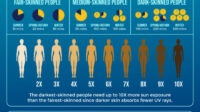
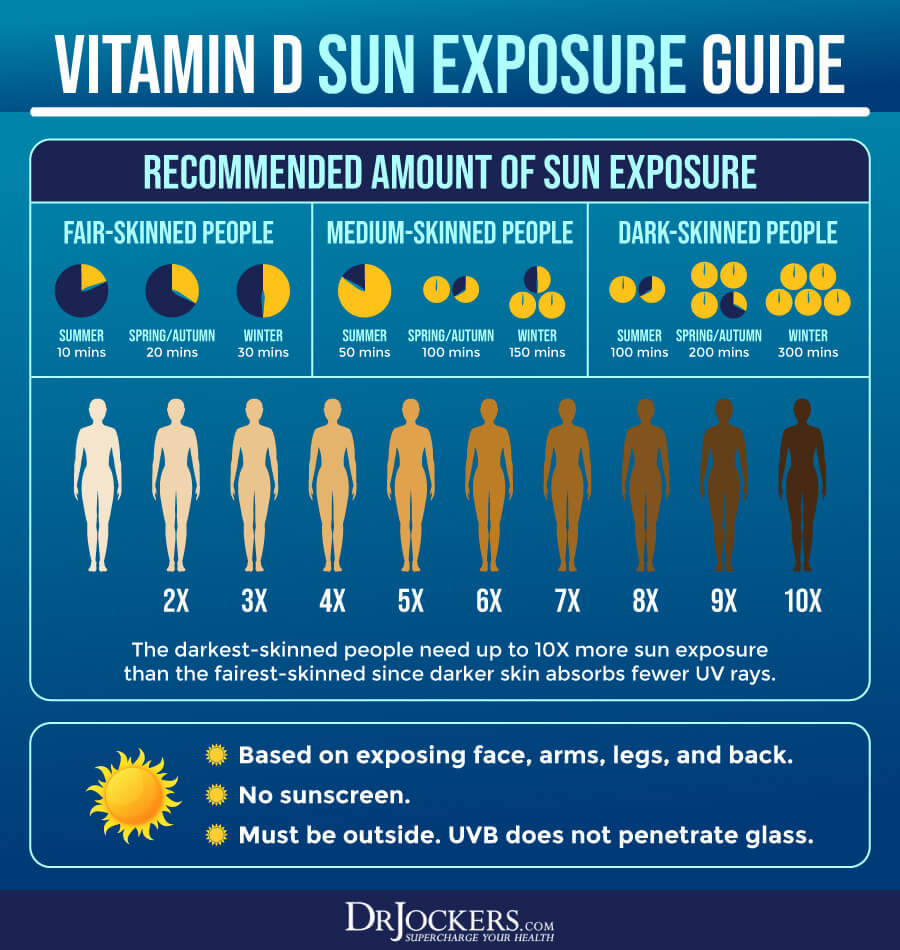
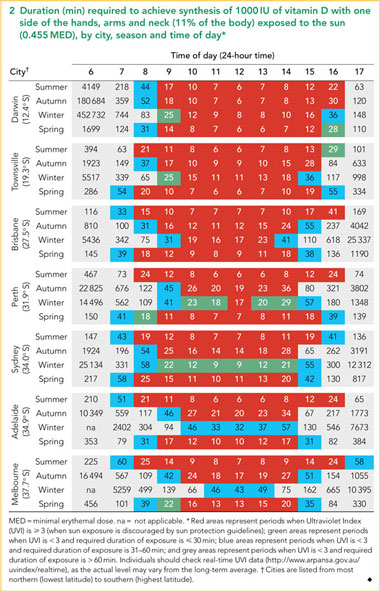
However, this language can get muffled. Latitude, cloud cover, time of day, skin pigmentation, clothing coverage, and even genetics can all influence the clarity of the signal. That’s why “more” isn’t automatically “better.” Ultraviolet radiation behaves like a double-edged key: it can unlock vitamin D pathways, but it can also unlock unwanted stress responses if used recklessly.
In practice, “sensible” means prioritizing safety and regularity over intensity. Short exposures at appropriate times, paired with skin-protective common sense, help keep the process steady. It’s like tapping a metronome instead of pounding a drum.
Low-Dose Supplements: The Gentle Backstop
Supplements enter the narrative as a backstop—a buffer against variability. Where sunlight is weather-dependent, low-dose supplementation is schedule-dependent. That difference matters. Your routine doesn’t have to wait for a clear afternoon to make progress.
A low-dose strategy aims for sufficiency rather than force. Instead of trying to replicate an entire season’s worth of sun in a single leap, the supplement becomes a steady companion—subtle, methodical, and easier to fine-tune. Picture it as a dimmer switch. You don’t need the lights blazing; you need enough illumination to keep the system from running in the dark.
Many people find this approach especially appealing because it can reduce the psychological burden of “getting it right.” Sun exposure can feel like a guessing game; supplementation can feel like a controlled variable. Together, they resemble a two-engine aircraft: if one engine stutters, the other helps maintain smooth flight.
Why Hybrid Works: Redundancy With Intention
Hybrid isn’t redundancy for redundancy’s sake; it’s resilience. Your vitamin D status is influenced by multiple pathways—sunlight exposure, dietary intake, absorption efficiency, body storage patterns, and individual metabolism. Relying on one pathway alone can turn your vitamin D level into a mood ring.
Combine strategies and you create a more stable signal. Sun exposure provides the biological spark, while low-dose supplements provide continuity. The result can feel like better “moment-to-moment” consistency: less whiplash between sunny weeks and winter scarcity.
There’s also an intriguing practical advantage. When you supplement at a low dose, you’re more likely to stay aligned with safe, moderate sun behaviors rather than feeling pushed toward extremes. It’s the difference between planning a trip with a map and driving by panic.
Intriguing Metaphor: Vitamin D as a Lantern, Not a Treasure Chest
It’s easy to misunderstand vitamin D as a single, collectible item—a treasure chest you fill once and forget. But vitamin D behaves more like a lantern: it needs a consistent flame to keep showing the way. Your body can store some, yes, yet depletion and repletion still follow time, exposure, and metabolism.
In a lantern model, the hybrid approach becomes logical. Sunlight helps keep the flame lit, while low-dose supplements function like a predictable fuel line. You’re not trying to dump a huge amount of fuel into the lantern all at once. You’re maintaining the light.
That metaphor also explains why “perfect” compliance is rarely realistic. Schedules shift. Seasons change. Energy levels fluctuate. The hybrid approach is forgiving in the best sense: it adapts to real life rather than demanding fantasy consistency.
Choosing a Low-Dose Supplement: Precision Over Posturing
Choosing a supplement isn’t about marketing theatrics; it’s about calibrated intake. A low-dose product often appeals to people who want support without overreaching. The unique appeal is the precision vibe: small adjustments, ongoing feedback, and gradual refinement.
Look for a form that fits your tolerance and routine. Consider how often you’re willing to take it. Some prefer daily micro-support; others like a slower rhythm. The goal is steady, not erratic. Like tuning a guitar string, you want the tension to be correct—not violently tightened and loosened.
Also think about companion habits. Dietary fat can influence absorption, and overall nutrition shapes how efficiently your body uses what you provide. Sun and supplement are not isolated levers; they are part of a larger metabolic control panel.
Sensible Sun Exposure: A Safety-First Ritual
Sensible sun exposure isn’t about ignoring skin. It’s about respecting it. You can treat sun like a ritual: mindful, time-bounded, and observant of skin response. Short, consistent sessions can be more sustainable than occasional high-intensity exposure.
Pay attention to context. If your skin burns quickly, your “sensible” may be shorter, more intermittent, or more conservative. Clothing coverage, shade, and the use of sunscreen on sensitive areas can help prevent damage while still allowing some opportunity for vitamin D-related pathways.
Consider the body’s signals as part of the process. If you feel flushed, irritated, or increasingly sensitive, it’s a sign to adjust. The hybrid approach respects that feedback loop.
Monitoring and Feedback: Let Data Be the Compass
The hybrid strategy becomes especially elegant when paired with monitoring. Periodic blood tests can help clarify whether your blend is achieving the intended status. Instead of guessing, you let results act as a compass.
Monitoring can reveal patterns you didn’t anticipate: how your body responds to seasonal sun changes, whether your supplement dose is truly “enough,” and whether adjustments are warranted. It’s not about obsessing. It’s about intelligent stewardship.
If your levels trend low, the solution often isn’t a dramatic makeover. It’s usually a modest adjustment—either slightly increasing support, improving sun timing, or addressing absorption-related variables.
Unique Appeal: Calm Confidence in a Noisy Season
The hybrid approach has a distinct charm: it offers calm confidence in a world full of conflicting claims. Instead of framing vitamin D as a crisis you must solve, it becomes a routine you can manage. Sun exposure and supplementation work like duet partners—one improvises with the weather, the other keeps the tempo steady.
Some people also find the method psychologically satisfying. It lowers the pressure of “getting it right” on a single day. It transforms vitamin D optimization from a high-stakes gamble into a long-term practice.
And that’s the final allure: hybrid doesn’t chase perfection. It pursues sustainability. A lantern doesn’t have to blaze to be bright—it just has to stay lit.