Vitamin D and hair growth sit at an intriguing crossroads of biology and hope. Many people suspect that a simple supplement can unlock thicker strands, fewer sheds, and a healthier scalp ecosystem. But the real story is more nuanced. “How much vitamin D?” is only half the question. The other half is whether your body is truly vitamin D–insufficient, whether the dosage you choose matches your physiology, and how quickly results—if they happen—can appear. This dosage reality check will help you separate plausible science from wishful thinking, while also showing what kinds of content readers typically expect when they search for answers.
First, understand the hair–vitamin D connection (without overselling it)
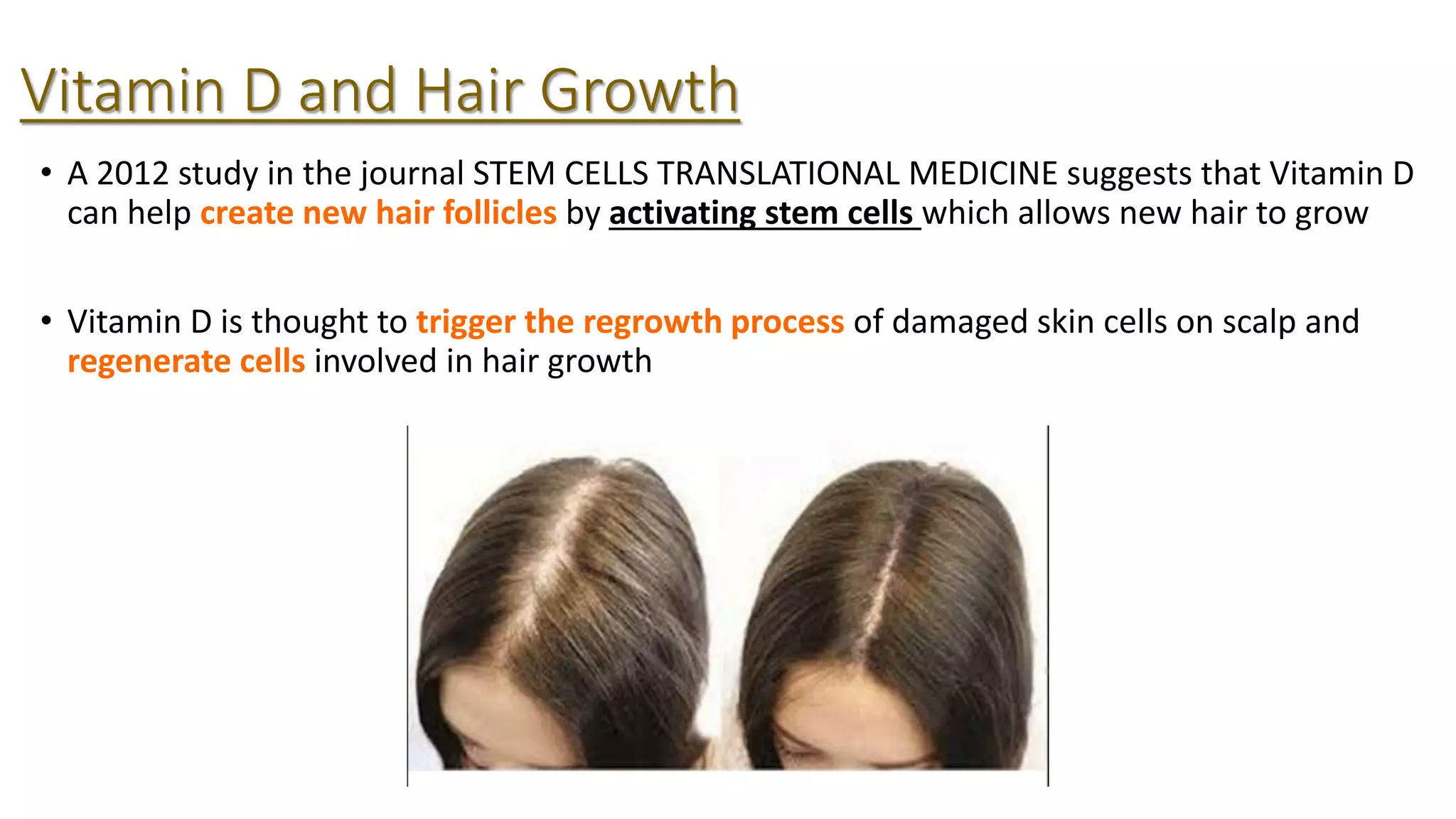
Hair follicles are metabolically active mini-organs. Vitamin D receptors (VDRs) and enzymes involved in vitamin D activation appear in skin and follicular units. When vitamin D status is low, some people experience changes consistent with impaired follicle cycling. Yet the relationship is rarely “vitamin D equals hair growth.” It is more like vitamin D is one ingredient in a larger endocrine and inflammatory recipe.
That’s why dosage advice must be paired with context. Hair shedding can be driven by telogen effluvium, androgenetic alopecia, thyroid imbalance, iron deficiency, stress hormones, medication effects, and scalp inflammation. Vitamin D may contribute, but it usually doesn’t monopolize the plot.
The dosage reality check: “How much” depends on your blood level
Most dosage recommendations are built around one metric: your 25-hydroxyvitamin D level (often reported as 25(OH)D). This marker reflects vitamin D stores more reliably than symptoms or dietary guesses. If your level is marginal or deficient, supplementation can help restore baseline biology. If your level is already sufficient, increasing the dose is less likely to improve hair—and can raise risk.
Think of vitamin D like a dimmer switch, not a light switch. When you’re low, the system may underperform. When you’re already adequately lit, turning the dial further often delivers diminishing returns.
Content readers typically expect here includes:
- Target ranges (sufficient vs. insufficient vs. deficient)
- Explanation of what 25(OH)D means
- Why “more” is not automatically “better” for follicles
Common supplementation ranges (and what they usually aim to do)
In day-to-day practice, vitamin D dosing often falls into broad bands depending on baseline status, body weight, sun exposure, absorption considerations, and clinician preference. Many strategies start with a maintenance dose for those who are insufficient and move toward repletion dosing for clear deficiency.
For example, some people are placed on a daily approach using lower-to-moderate daily intakes to nudge stores upward. Others may use higher-dose short-term protocols under guidance to correct deficiency more quickly. The hair timeline still won’t be instant—follicle cycling takes time—but restoring vitamin D status is a prerequisite that can make other therapies feel more effective.
Short sentence, long implication: your goal is normalization, not escalation.
Hair growth timelines: what “results” can look like (and when)
Hair biology is slow-moving. Even if vitamin D correction helps, visible changes usually take months. Many readers expect faster transformation, but follicles do not reset on a weekly calendar. Instead, you may notice reduced shedding first, then gradual improvement in density, and finally changes in texture or regrowth.
Typical content readers encounter includes timelines like “3 months” or “6 months.” The more accurate framing is: shedding patterns often shift after a few follicular cycles, and regrowth becomes noticeable as new anagen hairs emerge. If you start supplementation while the true driver is androgenetic alopecia, the timeline may still show change—but it may not match expectations.
In short: vitamin D may support the environment; it rarely replaces targeted hair-loss treatment.
Different forms of vitamin D and why absorption matters
Vitamin D supplements come in different chemical forms—most commonly D2 (ergocalciferol) and D3 (cholecalciferol). While both can raise levels, individual responses vary. Absorption can also be influenced by whether the supplement is taken with meals, the presence of dietary fat, and gastrointestinal factors such as malabsorption syndromes or certain medications.
Readers often benefit from content that covers practical usage:
- Taking vitamin D with a meal (often improves absorption)
- Consistency over time (levels respond to ongoing intake)
- Consideration of gut health and medication interactions

“Higher dose” warnings: safety ceilings and symptom blind spots
Vitamin D is fat-soluble, meaning it can accumulate. That’s why dosage reality includes safety boundaries. Excessive intake can contribute to hypercalcemia—elevated calcium levels—which may cause nausea, constipation, excessive thirst, frequent urination, confusion, or kidney-related strain. Symptoms can be subtle at first and easily mistaken for unrelated issues.
Safety isn’t about fear; it’s about discipline. If you choose supplementation without testing, you’re effectively navigating without a map. A better approach is to test 25(OH)D, select a dose that matches your level, and recheck after a sensible interval.
Who should be extra careful: risk factors for deficiency and sensitivity
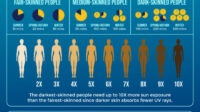
Certain groups are more likely to have low vitamin D. Limited sun exposure, darker skin pigmentation, living at higher latitudes, aging, obesity, pregnancy/lactation demands, and certain medical conditions can all reduce vitamin D availability or utilization. People with malabsorption issues may require tailored dosing, sometimes using alternative strategies.
Another overlooked variable: lifestyle and scalp health. Hair shedding can worsen with inflammatory scalp conditions. If vitamin D deficiency is present, correcting it may help the overall immune tone, but treating seborrheic dermatitis, managing friction, and ensuring adequate protein and micronutrients still matter.
What to pair with vitamin D for hair: the “stack” approach
Vitamin D can be one node in a multi-factor network. Hair growth commonly requires sufficient protein intake, adequate iron status (including ferritin), zinc balance, thyroid adequacy, and total caloric support. Even a perfect vitamin D plan may disappoint if iron stores are depleted or thyroid function is off.
Readers often expect “what else should I take?” Content typically presents a rational stack:
- Test and correct iron deficiency rather than guessing
- Assess thyroid markers if symptoms suggest imbalance
- Maintain protein adequacy and overall nutrition
- Address scalp inflammation when present
Short sentence: vitamin D is supportive, not solitary.
How to decide your dose responsibly (a practical checklist)
To turn hope into a plan, use a structured approach:
- Check baseline with a 25(OH)D test when possible.
- Choose a dose aligned with deficiency severity and your clinical context.
- Take it consistently, often with a meal.
- Re-test after a period long enough to reflect changes in stores.
- Track hair trends rather than day-to-day fluctuations.
If hair loss is sudden, patchy, accompanied by scalp pain, or rapidly progressive, professional assessment becomes essential. Vitamin D can play a role, but it shouldn’t delay diagnosis of other causes.
The bottom line: dosage reality is personalization plus time
So, how much vitamin D for hair growth? The most truthful answer is: enough to correct your individual deficiency or insufficiency, within safe boundaries, with patience for the hair cycle. Vitamin D may help create the conditions for better follicular function, but it is not an instantaneous follicle reset button. The best path is testing, dosing with intention, and pairing vitamin D correction with broader hair-healthy practices.
In the hair world, reality is rarely glamorous. But when vitamin D levels come into range and the rest of the biological puzzle fits, the results—measured in months—can be real.