Sunlight is often portrayed as something to fear—too much, too fast, too hot. Yet within that same radiance sits a finely tuned biological mechanism: the skin’s ability to manufacture vitamin D. What makes this process especially compelling is that it includes built-in safeguards, helping the body generate vitamin D without drifting into the dangerous territory of vitamin D toxicity. This article walks through how sunlight turns into vitamin D, why toxicity is unlikely from ordinary sun exposure, and what practical factors influence the balance between benefit and risk. Along the way, you’ll encounter clear explanations, helpful comparisons, and real-world guidance designed for readers who want both understanding and restraint.
The Skin’s Photochemical Workshop: Turning Light into Vitamin D
Vitamin D synthesis begins in the epidermis, where specialized molecules wait in the wings like chemical stagehands. When ultraviolet B (UVB) light reaches the skin, it triggers a photochemical reaction involving 7-dehydrocholesterol. This precursor molecule undergoes structural rearrangement—an elegant molecular flip—producing a compound that is then rapidly converted into vitamin D3 (cholecalciferol).
That production is not a blunt instrument. It is responsive, time-sensitive, and self-regulating. Sunlight doesn’t simply pour vitamin D into the body; it activates a pathway that relies on both light intensity and the available precursor pool. In other words, vitamin D synthesis is constrained by the chemistry of the skin itself.
Below is a conceptual illustration of the pathway, showing how sunlight initiates the sequence and how additional processes finalize the active forms.
From Vitamin D3 to Active Hormone: The Body’s Multi-Step Activation
Once vitamin D3 is formed in the skin, it does not immediately act like a hormone. Instead, it travels through the bloodstream to the liver, where it is hydroxylated into 25-hydroxyvitamin D (25(OH)D). This form is often used as the main indicator of vitamin D status.
Next, the kidneys convert 25(OH)D into 1,25-dihydroxyvitamin D (1,25(OH)2D), the metabolically active hormone-like form that influences calcium absorption, bone remodeling, and immune modulation. This two-step conversion adds another layer of regulation. Even if vitamin D3 production increases, the final active hormone generation is mediated by enzymatic control mechanisms.
These conversion steps help explain why the body can tolerate sun-driven vitamin D production better than it can tolerate high-dose supplemental intake. Supplements can bypass parts of this regulation by delivering concentrated precursors directly into systemic circulation.
The Safety Valve: Photodegradation and the End of the Overproduction Story
The most reassuring aspect of sunlight-based vitamin D is the skin’s built-in brake system. When UVB exposure is sufficient to produce vitamin D, it also begins to generate degradation products from vitamin D itself. In particular, excessive UV exposure converts previtamin D3 and vitamin D3 into biologically inactive photoproducts.
This is a kind of biochemical “off switch” that acts proportionally. At low-to-moderate UVB levels, synthesis can outpace breakdown. At higher levels, photodegradation rises, reducing net vitamin D accumulation. The result is a ceiling effect: more sun does not translate into unlimited vitamin D production.
It’s not that sun exposure is risk-free—overexposure brings skin damage, DNA harm, and increased skin cancer risk. But specifically for vitamin D toxicity, the chemical machinery tends to limit runaway accumulation.
Why Toxicity Is Rare from Sunlight: Natural Dose Control vs. Supplements
Vitamin D toxicity typically involves excessive calcium levels and a cascade of symptoms such as nausea, weakness, constipation, and kidney complications. The key reason sunlight is generally less likely to cause this is that it rarely achieves the extremely high systemic doses seen with certain supplements.
When people take vitamin D supplements, they can consume far more than the body would normally manufacture from intermittent outdoor exposure. Supplements are also more predictable and concentrated. The conversion machinery may still work, but the upstream supply is dramatically higher and less buffered by photodegradation.
Sunlight exposure, by contrast, is dynamic and environment-dependent. It fluctuates with season, latitude, cloud cover, time of day, skin pigmentation, clothing, and individual skin thickness. These variables naturally constrain exposure, often preventing prolonged high-level UVB penetration.
UVB Variability: When Sunlight Helps and When It Becomes Unreliable
“Sunlight” is not a single dose. UVB effectiveness changes across the day, throughout the year, and across geographic regions. In winter months at higher latitudes, UVB may be too weak for meaningful vitamin D synthesis. Even if the sun feels warm, the UVB photons needed for the photochemical reaction may be scarce.
Clouds, pollution, and shading can further attenuate UVB. Glass also blocks most UVB, which is why sitting indoors near a window often fails to stimulate vitamin D production.
For readers, this means the relationship between sunlight and vitamin D is not linear. A person can experience low vitamin D status despite regular outdoor time if the UVB dose is insufficient.
Skin Tone, Surface Area, and the “Real-World Equation”
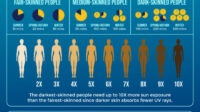
Melanin acts like a natural sunscreen, absorbing UV radiation. People with more melanin typically require more UVB exposure to produce the same amount of vitamin D as those with lighter skin. This does not make sunlight harmful; it makes the conversion less efficient.
Exposure area matters too. If only hands and face are uncovered while the rest is covered, the skin contributing vitamin D becomes limited. Similarly, clothing style and habits—long sleeves, protective gear, sun-avoidance culture—shape actual UVB dose.
Even body composition can influence outcomes indirectly through behavior and dosing patterns. The core message remains: the body’s synthesis is anchored to real exposure, not intention.
How Much Is “Enough”? A Practical, Risk-Aware Approach
Determining an appropriate approach requires balancing vitamin D goals against skin cancer prevention. Instead of chasing maximum sun, many evidence-aligned strategies prioritize regular but moderate exposure—short periods when UVB is available, followed by sun protection as needed.
People with higher skin cancer risk or a history of photosensitivity conditions should be particularly cautious. In those cases, dietary vitamin D or clinician-guided supplementation may be safer than relying on UV exposure.
Monitoring helps. Measuring 25(OH)D can clarify whether a person’s current lifestyle is producing adequate status. It can also reduce guesswork, preventing both deficiency and excessive supplementation.
Food and Supplements: Complementary Paths That Change the Toxicity Profile
Vitamin D can be obtained from food sources such as fatty fish, fortified dairy alternatives, and egg yolks. However, dietary intake often falls short of the amounts needed to correct widespread deficiency, especially in low-UVB seasons.
Supplements fill that gap, but they require more discipline because toxicity risk is higher with excessive dosing. The body’s photodegradation safety valve does not operate in the same way when vitamin D arrives directly via the bloodstream.
When supplementation is considered, it’s best approached as a calibrated intervention. A consistent dose, periodic lab checks, and adherence to professional guidance reduce the risk of overshooting.
Signs, Symptoms, and the Importance of Context
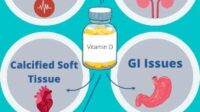
Vitamin D toxicity is uncommon but not imaginary. It is typically driven by sustained high intake, leading to hypercalcemia. Symptoms can be subtle at first—fatigue, reduced appetite, and mild gastrointestinal distress—then progress to more severe effects on the kidneys and cardiovascular system.
Equally important: many symptoms of vitamin D imbalance overlap with other conditions. Fatigue and weakness can come from anemia, thyroid disorders, sleep issues, or electrolyte disturbances. That overlap is why lab testing is valuable rather than relying solely on how a person feels.
Context also matters because sunburn and skin damage can occur regardless of vitamin D status. Preventing harm is part of achieving a healthy outcome.
Putting It All Together: Sunlight as a Regulated Benefit
Sunlight produces vitamin D through a photochemical conversion in the skin, followed by controlled activation in the liver and kidneys. The body also limits vitamin D buildup through photodegradation, making toxicity from typical sun exposure comparatively rare. The real constraints are not only chemistry but lifestyle and environment—UVB availability, skin pigmentation, coverage habits, and seasonal patterns all influence how much vitamin D is generated.
In the end, sunlight is best understood as a nuanced tool rather than a simple switch. Used with respect for skin health, it can support vitamin D status while maintaining the body’s natural safeguards. Used recklessly, it can damage skin and increase long-term risks. The goal is balance: harness the benefit, avoid the burn, and consider testing when clarity is needed.