In 2025, the debate over vitamin D often feels like choosing between two landscapes: one paved with sunlight and the other lined with carefully measured supplements. Both can lead you toward the same destination—better vitamin D status—but they travel by different routes, with different weather systems, different constraints, and different kinds of “magic.” Imagine vitamin D as a quiet courier. Sunlight is the direct courier that knocks quickly when the sky is kind. Supplements are the scheduled deliveries—reliable, deliberate, and designed for days when the sky goes missing.
The Two Roads to Vitamin D: Photons vs. Pills
Vitamin D synthesis begins when ultraviolet B (UVB) rays strike the skin. Your body then manufactures cholecalciferol, which is later processed into active forms. Sunlight, in other words, is both a stimulus and a catalyst. It nudges your biology toward production, using the same environment that shapes your circadian rhythm and mood. The metaphor is vivid: sunlight is a living forge, heating the raw material until it becomes useful metal.
Supplements, by contrast, are more like a blueprint. Instead of relying on environmental variability, they provide consistent vitamin D—commonly vitamin D3 (cholecalciferol). This consistency can be especially compelling for people with limited sun exposure, higher latitudes, darker skin pigmentation, heavy indoor lifestyles, or seasonal constraints. Supplements are not a replacement for healthful living, but they are a dependable tool when the “forge” can’t run at full capacity.
2025 Reality Check: Why Sunlight Isn’t Always the Convenient Sunlight
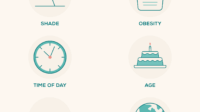
Modern life often turns the outdoors into a periodic visitor rather than a daily companion. Many people work indoors, use sunscreen as a default armor, live in colder climates, or experience long stretches of cloudy weather. Even when you do get outside, factors such as time of day, season, latitude, skin tone, cloud cover, clothing coverage, and even air pollution influence UVB availability.
There’s also an emotional twist. Sunlight is often marketed as “healthy,” but it comes with a balancing act: too much can accelerate skin damage and increase long-term risk. That means sunlight can be beneficial, yet still not be the main strategy for everyone. In 2025, the most intriguing approach is not “either/or,” but “smart blending,” guided by your body’s actual need.
The Quiet Strength of Supplements: Precision, Predictability, and Planning
Supplements shine when you value predictability. A supplement schedule doesn’t care whether it’s raining. It doesn’t negotiate with your commute time. It doesn’t fade when winter arrives. For many adults, that stability matters because vitamin D status reflects cumulative balance over months—not a single moment of exposure.
Additionally, certain groups face higher risk of deficiency: older adults (reduced skin synthesis), people with limited dietary intake, individuals with malabsorption conditions, and those taking medications that can interfere with vitamin D metabolism. In these cases, supplements often become the most pragmatic path.
Think of supplements as a thermostat. Sunlight may raise your temperature when conditions allow, but supplements let you maintain a steady indoor climate for vitamin D—especially when the outside world is inconsistent.
Sunlight’s Unique Appeal: More Than Vitamin D
Choosing sunlight is not only about vitamin D. Sun exposure influences vitamin D production, but it may also support overall well-being through other pathways—mood regulation, circadian entrainment, and potentially immune modulation. The sunlight experience can be transformative: a morning walk can feel like a reset button, while consistent outdoor time can turn fatigue into alertness.
Even so, the “dose” is slippery. Two people can stand in the same patch of sun and produce dramatically different amounts of vitamin D. Skin type, body coverage, and sunscreen use can shift outcomes. Sunlight is powerful, but its effectiveness is variable—like a jazz performance where the melody is familiar, yet the final notes depend on the musician.
How to Decide in 2025: The Case for Evidence-Forward Choices
The most compelling decision framework is evidence-based. If you’re unsure whether you need vitamin D support, testing can clarify the picture. Blood levels, typically assessed as 25-hydroxyvitamin D, help separate wishful thinking from reality. This is where 2025’s “professional pragmatism” stands out: rather than guessing, you measure, then tailor.
Also consider your lifestyle. If your schedule rarely includes outdoor time, supplements may be the wiser default. If you already spend significant time outdoors and have consistently good vitamin D levels, you may not need additional supplementation beyond what your routine provides.
And if you’re somewhere in the middle—outdoors sometimes, diet inconsistent, seasons unpredictable—combining modest sunlight exposure (with sensible skin protection) and a calculated supplement plan can offer a balanced, resilient strategy.
Safety and Strategy: Avoiding Extremes While Maintaining Momentum
Both approaches require respect. With sunlight, the risk is skin damage from excessive UV exposure. With supplements, the risk is overshooting needs over time, especially with high doses or poorly supervised regimens. Vitamin D is fat-soluble, meaning excess can accumulate.
The most thoughtful approach uses a “minimum effective strategy”—aiming to achieve adequate vitamin D status without unnecessary excess. That often means starting conservatively and adjusting based on follow-up levels, symptoms, and clinical guidance.
If you have kidney disease, hypercalcemia, a history of kidney stones, or conditions affecting calcium balance, extra caution is essential. In such cases, supplements should be discussed with a clinician rather than self-directed.
What About Timing and Form? Understanding Dosing Like a Craft
Vitamin D supplements come in different forms and schedules. Many choose vitamin D3 due to its strong track record in raising blood levels. Daily dosing can be gentle and steady; weekly dosing can be convenient and still effective. Some people prefer monthly strategies, but the best method is the one you can follow reliably without drifting into excess.
Body context matters too. Vitamin D absorption improves when taken with a meal containing fat. That detail can be the difference between a plan that works smoothly and one that feels like it’s slipping through your fingers.
In other words, dosing is not only about numbers—it’s about routine, compliance, and biological uptake.
Intriguing Metaphor: Vitamin D as a Battery, Not a Light Switch
It helps to picture vitamin D as a rechargeable battery for your internal systems. Sunlight can be the moment you plug in the device—powerful, immediate, and dependent on the environment. Supplements are the charge controller—consistent, regulated, and designed to keep the battery from dropping too low during the long stretch of cloudy days.
When you understand it this way, the “final verdict” becomes less tribal. The real goal is not to worship one method, but to maintain enough power for healthy function—especially through seasons when the sky behaves unpredictably.
A Balanced Final Verdict for 2025: Sunlight First, Supplements When Needed
So, is it sunlight or supplements for vitamin D in 2025? The most compelling answer is: sunlight is a beautifully natural advantage, but supplements are often the dependable backstop.
If you can safely get regular outdoor time, your lifestyle supports it, and your vitamin D levels are adequate, sunlight may be your primary “fuel.” If you’re frequently indoors, you live where UVB is limited, you have higher deficiency risk, or you simply want consistency without guesswork, supplements can be the smarter move.
For many people, the winning formula is synergy: sensible sun exposure paired with a targeted supplement plan when testing or risk factors suggest it. In a world of variable weather and variable schedules, that blend feels like professional craftsmanship—calibrated, deliberate, and resilient.