Vitamin D has a reputation for doing important behind-the-scenes work—helping bones, supporting immunity, and keeping your body’s rhythms from drifting off course. But here’s a playful question with a very real edge: could this sunshine vitamin also help calm scalp psoriasis and slow the slide of hair loss? The twist is that hair and skin don’t always respond in a straight line. Sometimes you do everything “right,” yet your scalp still feels rebellious. So let’s explore whether vitamin D is a helpful ally—or whether it’s merely an occasional tour guide through a complicated landscape.
Why Scalp Psoriasis Can Feel Like a Full-Time Job
Scalp psoriasis isn’t just “dry skin with attitude.” It’s an inflammatory condition where skin cells accelerate their growth cycle, leading to scaling, redness, itchiness, and that persistent sense of being constantly aware of your own scalp. In more stubborn cases, inflammation can intensify around hair follicles, creating discomfort and sometimes contributing to shedding. The challenge is that psoriasis operates like an overactive immune orchestra: when one section plays too loudly, the rest of the harmony gets disrupted.
To complicate matters, the scalp has its own microclimate. Sweat, styling products, friction from hats or helmets, and even seasonal shifts can amplify irritation. Hair loss can then appear as a downstream effect—sometimes temporary and stress-related, sometimes more persistent. That’s why any potential supplement should be evaluated with both hope and precision.
Hair Loss: Not One Story, but Many Plot Lines
“Hair loss” is an umbrella term, and the causes can differ dramatically. With psoriasis, you may see shedding due to inflammation, scratching, or follicular irritation. But some people also have overlapping issues—such as androgenetic alopecia (pattern hair loss), telogen effluvium (stress-triggered shedding), nutritional insufficiencies, or thyroid-related changes. If vitamin D helps at all, it likely works indirectly by tempering inflammatory pathways rather than acting as a direct hair growth mechanism.
In other words, vitamin D may not be the main character. It might be a supporting actor that strengthens the environment so other treatments can perform better.
So—What Does Vitamin D Actually Do?
Vitamin D functions as more than a vitamin; it behaves like a hormone-like regulator. It influences immune responses, modulates inflammatory signaling, and supports skin function. In the immune system, vitamin D can act like a traffic controller—helping prevent overreaction. That matters because psoriasis is deeply rooted in immune dysregulation, including pathways involving cytokines and inflammatory cascades.
Vitamin D also plays a role in keratinocyte behavior, the cells that make up the bulk of the epidermis. When these cells multiply too quickly, scaling becomes a visible symptom. If vitamin D nudges cell regulation toward balance, it’s plausible that psoriasis activity could improve for some people.
Does Vitamin D Deficiency Increase the Odds?
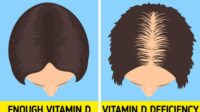
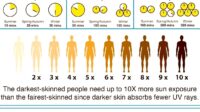
Many individuals—especially those with limited sun exposure, darker skin tones in low-sun regions, certain dietary patterns, malabsorption conditions, or time indoors—can develop low vitamin D levels. Deficiency doesn’t automatically cause psoriasis or hair loss, but it may worsen the terrain. Think of it as background weather: you can still have storms even without a deficiency, but poor baseline conditions may allow symptoms to intensify.
Testing is the key lever here. A simple blood test for 25-hydroxyvitamin D can clarify whether supplementation is even relevant. If your levels are adequate, piling on more may not deliver additional benefits—and might increase the risk of side effects.

Clinical Evidence: Encouraging, Yet Not a Magic Wand
Research on vitamin D and psoriasis suggests a potential association between adequate vitamin D status and improved disease activity. Some studies also explore topical vitamin D analogs (prescription agents) that are used in dermatology for plaque psoriasis. While scalp psoriasis has its own nuances, the broader idea remains: vitamin D can influence inflammatory pathways connected to skin overgrowth.
When it comes to hair loss, the evidence is more mixed. Vitamin D may contribute to follicle cycling and immune regulation, but studies do not consistently demonstrate that supplementation alone stops shedding in every person. Hair follicles are sensitive instruments. If inflammation is reduced, shedding might ease—but the root driver still matters.
Topical Vitamin D vs Oral Supplements: Different Routes, Different Expectations
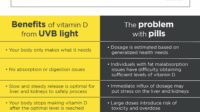
Oral supplementation increases systemic vitamin D levels. Topical vitamin D analogs—used under medical guidance—aim to act directly on skin cells. For scalp psoriasis, topical therapy might feel more targeted, but tolerability and scalp tolerances vary widely. Some preparations can be messy or irritating. Oral supplementation is easier to integrate into daily routines, yet it’s slower to manifest effects and relies on correcting deficiency or optimizing immune modulation.
A practical way to think about this: topical vitamin D may be like adjusting the volume at the exact location of the noise, while oral vitamin D may be like improving the building’s insulation so the noise doesn’t travel as aggressively.
What About Hair Loss Specifically from Psoriasis?
Hair loss linked to scalp psoriasis often comes with reversible components, especially when inflammation is brought under control. Itching leads to scratching, which disrupts the scalp barrier and can aggravate follicles. Treatments that reduce plaque thickness and calm inflammation may improve the shedding cycle. Vitamin D could play a role in that inflammatory moderation, but results vary based on severity and coexisting causes.
There’s also a behavioral wrinkle: people sometimes delay treatment because they assume scaling is inevitable or harmless. Meanwhile, prolonged inflammation can create a more entrenched environment. When vitamin D is considered, it should fit into a comprehensive plan rather than replace established therapies.

How to Supplement Responsibly (Without Turning It Into a Gamble)
Vitamin D is fat-soluble, meaning excess can accumulate. Over-supplementation can lead to elevated calcium levels, constipation, nausea, confusion, and kidney-related issues in severe cases. That’s why “more” isn’t automatically “better.” The safest approach is to test first, then supplement thoughtfully under clinician guidance.
If you do choose to supplement, pairing it with dietary fat can improve absorption. Some people also consider magnesium status, as it’s involved in vitamin D metabolism. Still, individual medical circumstances—kidney disease, hyperparathyroidism, certain medications—can change the equation entirely.
Timing, Expectations, and the Reality of Slow Signals
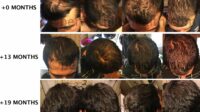
Even when vitamin D is helpful, the timeline may be gradual. Skin cell turnover and inflammatory signaling don’t flip overnight. Hair shedding cycles can also lag, with improvements showing weeks later as follicles recover from irritation and inflammation. Short-term expectations can be frustrating. One week of taking vitamin D is unlikely to transform a scalp that’s been inflamed for months.
Instead, aim for measured observation. Track itch level, flaking intensity, and hair shedding frequency. If there’s no meaningful change after an appropriate period—commonly assessed over several months—re-evaluation becomes necessary.
Lifestyle Factors That Can Make Vitamin D (Or Any Plan) Work Better
Sun exposure can contribute to vitamin D status, but scalp psoriasis may complicate sun habits. Sunlight can improve psoriasis for some people, yet overexposure can trigger flares or cause burns. Carefully balanced exposure—consistent with dermatology guidance—may support vitamin D levels without reckless extremes.
Other supportive actions include gentle hair care, minimizing harsh detergents, limiting scratching, and choosing scalp-friendly styling products. Stress management matters, too. Psoriasis often behaves like a stress-responsive instrument. Sleep, nutrition, and reducing friction can all influence symptom severity, indirectly affecting hair retention.
When to Talk to a Dermatologist (And Why It’s Not Overreacting)
If scalp psoriasis is moderate to severe, if patches spread beyond the scalp, or if hair loss is accelerating rapidly, professional evaluation is worthwhile. A clinician can confirm whether psoriasis is the cause, rule out mimics (like seborrheic dermatitis), and identify overlapping conditions such as iron deficiency or thyroid issues. They can also discuss topical vitamin D analogs or combination regimens that may include anti-inflammatory agents.
Dermatology care doesn’t just target symptoms—it aims to reduce long-term inflammation so hair follicles aren’t kept under constant siege.
The Bottom Line: Is Vitamin D Worth Considering?
Vitamin D may help scalp psoriasis and related hair shedding for some people—particularly when deficiency is present and inflammation responds to immune modulation. But it’s rarely a standalone solution. The most sensible route is testing, clinician-guided supplementation if needed, and a psoriasis treatment plan that addresses the scalp directly.
So does vitamin D help? It can. But think of it as a potential pressure-adjuster in the immune machinery, not a guaranteed detangler of every hair strand. With the right context, timing, and comprehensive care, it may turn down the volume on the scalp’s chaos—and give your hair a better chance to stay.