Every year, sunlight arrives like a dependable messenger, and with it comes a familiar hope: “Can I just store my summer vitamin D and coast through the rest of the year?” It sounds almost elegant—like stocking a pantry before winter bites. But vitamin D biology is not a simple savings account. It behaves more like a living reservoir with valves, delays, and chemical weather systems. To understand whether summer can carry you to next winter, you have to meet the concept of half-life—the quiet measurement that decides how long your body holds onto vitamin D after production slows.
First, What “Storing Vitamin D” Really Means
Vitamin D can feel intangible, but the body treats it with surprising specificity. When sunlight helps your skin synthesize vitamin D, that vitamin doesn’t remain in a single, floating form. Instead, it is converted into different molecules that circulate and accumulate in distinct places. The main theme is this: your body converts vitamin D into a form that can be carried through time, stored, and later reactivated.
Because these processes involve transport proteins and liver–kidney conversion steps, the idea of “storing” is real, yet not absolute. Think of it as buffering rather than hoarding. You can retain meaningful amounts for months, but you are not immune to seasonal decline.

Half-Life: The Timekeeper Behind Vitamin D Continuity
Half-life is the biological clock that governs how quickly a substance in your body decreases. It means: how long it takes for the amount of a vitamin—typically measured as a specific circulating form—to fall by 50%.
For vitamin D, the story is layered. The relevant “storage” form is usually 25-hydroxyvitamin D (often shortened to 25(OH)D). It’s the common marker used in blood tests because it reflects what your body has accumulated. When sunlight wanes—autumn arrives, clouds thicken, and time outdoors shrinks—your 25(OH)D doesn’t vanish overnight. Its decline is gradual. That gradual descent is the very reason people wonder whether summer vitamin D can last.
The fascinating part is that half-life is not merely academic; it’s a practical calendar. If vitamin D were like water in a bucket with a fast leak, winter would be dire. But vitamin D behaves more like a bucket with a slow seep. That slowness gives you a buffer—and it also makes your body’s seasonal trajectory feel almost cinematic.
From Summer to Winter: Why the Drop Is Gradual, Not Immediate
During summer, sunlight exposure supports vitamin D production. Your body captures the surplus and gradually releases or metabolizes it later. When colder months limit UVB exposure, less vitamin D is generated at the skin level. Yet your circulating levels do not collapse instantly, because the system has momentum.
In broad strokes, the pattern many people experience is: peak levels after summer, then a slow decline through fall and winter. The slope of that decline depends on more than just weather. It depends on how much you built up in the first place and how aggressively your body uses or breaks down vitamin D.
Some people can remain within a decent range for many months. Others feel the drop earlier. The common observation—“I feel fine until late winter”—often corresponds to individual differences in starting levels and metabolic handling.
Factors That Decide Whether Summer Vitamin D Truly “Lasts”
Half-life provides the framework, but your personal circumstances decide the outcome. Consider these influences:
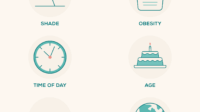
Body fat distribution: Vitamin D is fat-soluble, which means it can be stored in adipose tissue. This can affect how vitamin D is released into circulation over time.
Skin pigmentation: Melanin competes with UVB-driven synthesis. In many individuals, more time outdoors—or different sun conditions—may be needed to build similar levels.
Latitude and season intensity: UVB availability varies by geography. Even bright daylight isn’t the same as effective UVB exposure.
Clothing and sunscreen habits: Sunscreen can reduce vitamin D synthesis, and fully covered skin reduces UVB capture.
Diet and supplementation: Food sources (fatty fish, fortified dairy) and supplements can act like a secondary reservoir when sunlight is limited.
Kidney and liver function: Conversion steps matter. The body must process vitamin D into its circulating and active forms.
These factors collectively explain why “Can I store it?” becomes a personal question rather than a universal answer. Half-life tells you how long it tends to persist. Your biology tells you whether it persists enough.
Active Vitamin D vs. Stored Vitamin D: A Subtle Distinction
Another reason the question is so compelling is that vitamin D is not a single substance with one job. The body uses vitamin D in two major modes: circulating storage and later activation. 25(OH)D is the storage indicator. Meanwhile, 1,25-dihydroxyvitamin D is the active hormone-like form that participates in calcium regulation and bone metabolism.
What makes this intriguing is that active vitamin D levels can sometimes be maintained even when 25(OH)D is low, due to regulatory feedback mechanisms. This can create confusion. Someone may wonder why they “don’t look deficient” in daily symptoms, yet still have low vitamin D stores that could matter over time.
In other words, your body may not warn you loudly. It may simply operate on thinning reserves, gradually and quietly.
Why the Human Fascination With Vitamin D Storage Makes Sense
There’s a reason this topic feels almost mythic. Sunlight is seasonal, yet the human desire is constant. We want continuity: winter comfort without winter compromises. Vitamin D seems to offer that possibility—like capturing summer light in chemical form.
But fascination persists because biology is never perfectly simple. The slow half-life suggests hope, while the many modifiers—skin, latitude, adiposity, diet, conversion efficiency—introduce unpredictability. The result is a blend of reassurance and mystery.
Even the language around vitamin D mirrors this duality: “store,” “activate,” “replenish,” “decline.” These words hint at a cycle, as if the body is rehearsing seasons in advance.
Half-Life in Practical Terms: What It Implies for Planning
If you want a usable interpretation, half-life suggests that summer vitamin D can provide meaningful coverage, but not infinite coverage. Levels decline over time, so the question becomes whether your starting peak is high enough and whether you maintain support with diet or supplements.
For many people, winter energy, mood, and musculoskeletal comfort may correlate with vitamin D status—though they are not solely determined by it. Still, the biological plausibility is clear: if reserves run low, the downstream processes that depend on vitamin D can become less efficient.
Planning doesn’t have to be dramatic. It can be methodical: sensible sun exposure when feasible, vitamin D-rich foods, and—when appropriate—supplementation guided by lab testing and personal risk factors.
When to Get Tested and What to Look For
Because vitamin D status varies so widely, testing can turn speculation into clarity. A clinician may order 25(OH)D to evaluate stored vitamin D. Interpretation also depends on symptoms, medical history, and lab reference ranges.
Testing is especially useful if you have risk factors such as limited sun exposure, darker skin, obesity, malabsorption disorders, or chronic conditions affecting vitamin D metabolism. It can also help if you consistently feel run down during winter and suspect a seasonal biochemical shift.
In a sense, testing is like checking the reserve gauge on a winter ship: it tells you whether your summer catch was substantial enough.
So, Can You Store Vitamin D from Summer to Last Winter?
The most honest answer is: often, yes—partly. Your body can retain vitamin D for months because the relevant storage form declines gradually, guided by half-life. For many people, summer exposure contributes to safer winter levels. Yet “last” depends on how much vitamin D you built up, how quickly it declines in your body, and what supports you add along the way.
Think of it like this: summer vitamin D is a bridge, not a teleporter. It can span a good distance, but it still needs the landing points of diet, lifestyle, and sometimes supplementation.
By understanding half-life and the factors that shape your unique decline curve, the question changes from anxious guessing to strategic stewardship of your body’s seasonal chemistry.