Vitamin D sits in an uneasy spotlight: it’s essential for immune modulation, calcium homeostasis, and follicular health—yet it can also become a liability when levels tip into excess. That contradiction fuels a question many people ask in private: Can vitamin D toxicity cause hair loss? The paradox is real. Toxicity is uncommon, but when it occurs, it can ripple through the body in ways that eventually reach the scalp. The story is not as simple as “more vitamin D equals more hair.” Instead, it’s a choreography of hormones, minerals, inflammation, and nutrient crosstalk.
Vitamin D’s Dual Role: Protector vs. Intruder
Vitamin D behaves like a regulatory molecule rather than a blunt instrument. In physiologic amounts, it supports skin barrier integrity, influences keratinocyte behavior, and contributes to a calmer inflammatory environment. Hair follicles, especially those with rapid turnover, appreciate steady biochemical conditions. When vitamin D is adequate, the scalp’s microenvironment tends to be more stable.
But toxicity flips the script. Excess vitamin D drives calcium levels upward (hypercalcemia). That shift can create downstream stress that affects hair growth cycles. The follicle doesn’t exist in isolation; it listens to systemic cues—blood chemistry, oxidative stress, immune signaling, and endocrine rhythms.
In other words, vitamin D is capable of being both a guardian and an intruder, depending on where your levels land on the spectrum.
How Toxicity Happens: Supplement Overreach and Hidden Traps
Most cases of vitamin D toxicity are tied to supplementation, not sunlight. People may take high-dose capsules for months, combine multiple products (e.g., multivitamins plus standalone vitamin D), or treat deficiency aggressively without follow-up labs. Another common trap is assuming “fat-soluble” means “safe to store,” when the reality is that storage without a release valve can become accumulation.
High intake can be particularly risky for individuals with certain medical conditions. Granulomatous disorders (such as sarcoidosis) can increase vitamin D activity inappropriately. Some lymphomas also amplify vitamin D metabolism. In these scenarios, even moderate supplementation can become a catalyst.
Toxicity typically evolves slowly, so early symptoms are often non-specific: fatigue, thirst, nausea, constipation, or frequent urination. Hair changes may appear later, after the body has already been pushed into an imbalance.
The Calcium Connection: When Mineral Balance Disturbs Follicles
The most direct mechanism connecting vitamin D toxicity to hair loss involves calcium. Elevated vitamin D increases intestinal calcium absorption, and when calcium rises too far, it can cause systemic strain. Hair follicles rely on precise mineral signaling and a stable oxidative environment to keep their growth phase humming.
Hypercalcemia may impair cellular functions indirectly by altering vascular tone, affecting kidney handling, and disturbing electrolyte gradients. Follicles are metabolically demanding. If the body prioritizes detoxification and electrolyte correction, non-essential processes—like the aggressive growth of hair—can become collateral damage.
This is why hair loss due to toxicity may look different than classic hereditary patterns. It can feel sudden or diffuse rather than localized to a receding hairline. Diffuse shedding can be the body’s way of reallocating energy away from hair growth.
Inflammation, Oxidative Stress, and the Scalp’s Microclimate
Hair loss often has an inflammatory soundtrack. Chronic inflammation can shorten the anagen (growth) phase, nudging follicles into the telogen (resting) stage. Vitamin D, in adequate amounts, tends to support immune calibration. In excess, however, the immune landscape can become less predictable—sometimes tipping toward stress responses.
Oxidative stress is another plausible bridge. When the body is overwhelmed by biochemical imbalance, reactive species can increase, damaging cellular structures and altering signaling cascades. The scalp’s microclimate—its immune tone, barrier function, and microbial balance—can shift accordingly.
Readers may notice that toxicity-related hair shedding can be accompanied by skin changes such as dryness, scalp sensitivity, or a “tight” feeling. These aren’t guaranteed signs, but they can co-travel with systemic imbalance.
What Hair Loss Patterns Suggest Toxicity (and What They Don’t)
Not all hair loss is created equal. Toxicity tends to cause diffuse shedding—often described as increased hair in the shower, on pillows, or throughout the day. This pattern resembles telogen effluvium, where stressors push many follicles into rest simultaneously.
On the other hand, androgenetic alopecia (pattern hair loss) is driven by genetics and hormone sensitivity. Vitamin D toxicity doesn’t usually produce the gradual, patterned thinning associated with androgenetic alopecia. Still, individuals can have mixed conditions. Someone may be genetically predisposed while experiencing an additional shedding wave from systemic stress.
If hair loss appears after starting a high-dose regimen, especially without lab monitoring, the timeline becomes a clue. A delayed onset—weeks to a few months after the biochemical disruption—can be typical for growth-cycle changes.
The Paradox Explained: “Too Little” and “Too Much” Can Both Undermine Growth
Vitamin D deficiency has long been linked to hair shedding. That relationship is often discussed, and it’s logical: inadequate vitamin D can impair immune balance and follicular function. But the paradox is that adequacy isn’t a one-way door. Both scarcity and excess can degrade the same outcome—healthy hair cycling.
Think of it like a thermostat. A room that’s too cold feels uncomfortable; a room that’s too hot also becomes unusable. Follicles thrive when systemic signals are within an optimal window. Outside that window, cellular routines falter. The result can look similar—shedding, thinning, reduced density—even though the root cause differs.
This paradox is why “more” is rarely the answer. It’s the shape of the curve that matters, not the slogan.
Spotting Toxicity: Symptoms Beyond the Scalp
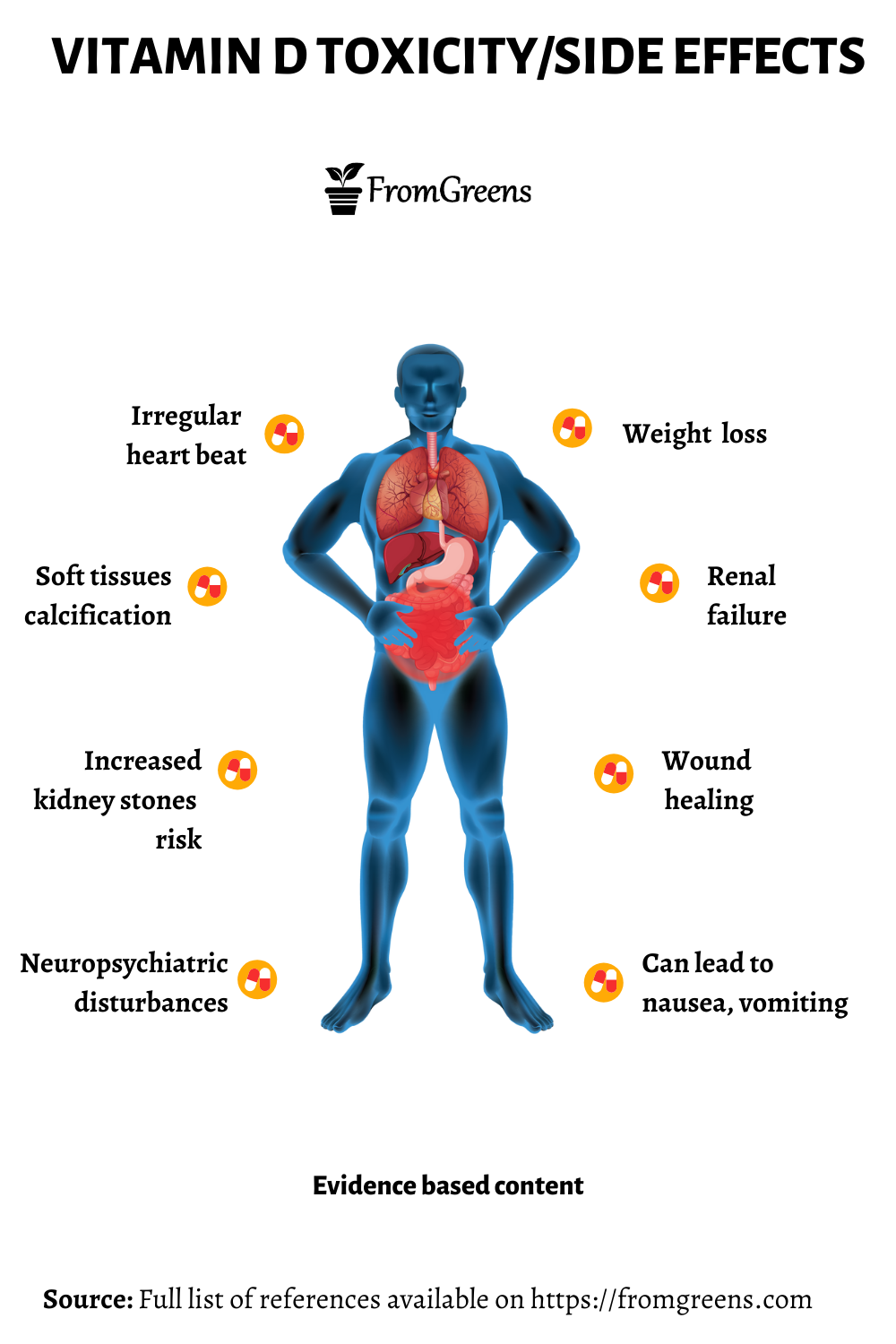
If vitamin D toxicity is involved, hair loss is usually part of a broader constellation. Watch for signs that point toward calcium dysregulation: intense thirst, frequent urination, muscle weakness, constipation, abdominal discomfort, or confusion in severe cases. Kidney strain is another concern—too much calcium can force the body to work harder to excrete excess minerals.
Some people also experience mood changes, decreased appetite, or generalized malaise. These symptoms can masquerade as everyday stress. The scalp becomes the first visible chapter, but the systemic narrative often started earlier.
For readers who notice both diffuse shedding and non-scalp symptoms after increasing supplementation, a careful evaluation becomes especially important.
When to Get Labs: The Practical Roadmap
Hair loss is frustrating because it invites guesswork. Lab testing helps replace speculation with clarity. Clinicians commonly evaluate serum 25-hydroxyvitamin D (the standard marker for vitamin D status) and also consider calcium levels when toxicity is suspected. Depending on the case, kidney function tests and related mineral panels may be used to assess risk.
Ask about your dose history: how many IU per day, how long it’s been taken, and whether multiple supplements were stacked. Dose timing matters, because vitamin D accumulates and effects can lag behind intake.
Even if vitamin D is not the villain, labs can reveal a different missing piece—iron deficiency, thyroid imbalance, or other nutrient disruptions that can also trigger telogen effluvium.
Content Readers Can Expect: Self-Assessment, Caution, and Recovery Timelines
Many readers prefer content that feels actionable, not alarmist. Expect three common themes:
1) Self-assessment frameworks. Guides often help readers connect timelines—when hair shedding began relative to supplement changes—and identify associated symptoms beyond the scalp.
2) Safety-first messaging. Instead of encouraging high doses, professional advice usually emphasizes targeted supplementation and lab monitoring. Hair health is not a “no harm” experiment.
3) Recovery expectations. If hair loss is telogen effluvium–like, regrowth can begin once the underlying imbalance is corrected. However, regrowth is rarely instantaneous. The cycle must complete. Months matter more than days.
Some content may include visual cues, like diffuse shedding markers (broad part widening, increased shedding during combing) and “before-and-after” density tracking. Others may emphasize scalp care basics—gentle washing, minimizing traction, and avoiding harsh chemical overprocessing during a shedding phase.
What About Topical Vitamin D or Scalp Approaches?
Topical strategies can reduce systemic exposure, though absorption varies. The scalp is permeable, and formulations may influence local inflammation or keratin behavior. Still, toxicity is primarily a systemic problem linked to high circulating levels. Topicals generally present a different risk profile, but they’re not an automatic solution.
Readers should approach scalp products as supportive tools, not replacements for correcting a systemic trigger. If the underlying driver is mineral imbalance or vitamin D overload, topical calm is like putting a soft blanket over a shaking foundation.
Closing Perspective: The Health of Hair Mirrors the Health of Systems
Vitamin D toxicity can, indirectly and sometimes visibly, contribute to hair loss. The paradox isn’t a contradiction—it’s a reminder that biology operates within narrow optimal ranges. When vitamin D becomes excessive, calcium regulation can shift, immune responses can destabilize, and hair follicles can enter a shedding phase.
Hair is often the first thing people notice, but it rarely acts alone. The most effective path forward blends careful dose review, relevant lab testing, and patience for the growth cycle to recover. In the end, the scalp’s story is a systemic story—one that rewards precision over volume.