It’s a peculiar thing to notice: a hand seems to tremble, a leg won’t quite hold steady, or a feeling of internal “vibration” drifts across the body at inconvenient moments. Many people immediately search for dramatic causes, yet the body often communicates through subtler biochemical adjustments. Among the many suspects, low vitamin D can occasionally enter the conversation—sometimes as a direct trigger, sometimes as a contributing factor. The question isn’t whether shaking can ever occur; it’s whether vitamin D deficiency could plausibly be part of the storyline, and what deeper mechanisms might connect the dots.
Understanding Tremors: When Shaking Becomes a Signal
Tremors are not one monolithic phenomenon. They can be fine and rhythmic, like a metronome keeping time, or irregular and intermittent, like a radio picking up distant interference. Some people describe an inner shakiness more than visible motion. Clinically, tremor may relate to muscle activity, nerve signaling, or the body’s balancing systems—especially those governing nerves, electrolytes, and motor control.
Before assigning blame to any nutrient, it helps to categorize what “shaking” actually means. Is it worse with movement? Does it calm at rest? Is it paired with weakness, numbness, cramps, or fatigue? These details matter because they hint at whether the nervous system is misfiring, whether muscles are hyperexcitable, or whether the body is struggling with metabolic constraints.
In that context, vitamin D enters as an orchestrator rather than a lone villain. It influences far more than bones. It participates—directly and indirectly—in the nervous system’s regulatory environment, including the pathways that modulate nerve excitability and muscle function.
Vitamin D’s Hidden Role: More Than Calcium and Bone Health
Vitamin D is popularly framed as the “sunshine vitamin,” yet its responsibilities extend beyond skeletal strength. Within the body, vitamin D helps govern calcium absorption and maintains a delicate ratio between calcium and phosphate. That balance is essential because muscles contract and relax based on finely tuned calcium-dependent processes.
Calcium is not merely a structural element; it’s a signal courier. When calcium availability or handling becomes irregular, nerves and muscles can become more prone to aberrant activation. In plain language: the body’s electrical rhythm can become less stable.
Vitamin D also interacts with immune modulation and cellular signaling. That matters because chronic low-grade inflammation or altered immune activity can influence nervous system function. The fascination here is that we often treat deficiency symptoms as purely “physical” (like bone pain), while the biology may be quietly affecting communication between nerves and muscles.
Can Low Vitamin D Directly Cause Tremors?
The direct answer is: it’s not the most common explanation, but it can be plausible in certain scenarios. Low vitamin D may not “cause” tremors in the way caffeine causes jitters for everyone. Instead, deficiency may contribute by destabilizing calcium metabolism, indirectly increasing muscle irritability, or shaping neurochemical balance.
One mechanism involves vitamin D’s contribution to maintaining appropriate calcium levels. When vitamin D is low, calcium absorption from the gut may decline. Even if serum calcium appears normal at first glance, the body may still experience functional imbalance at the cellular level—where muscles and nerves behave as if conditions are different than what blood tests suggest.
Another mechanism involves secondary hypocalcemia (or trends toward it). Some individuals with vitamin D deficiency may develop neuromuscular irritability, which can manifest as twitching, spasms, or a tremor-like sensation. In more pronounced cases, people may notice cramps, tingling, or muscle contractions.
Think of vitamin D as a backstage technician. The stage may not reveal the technician directly, yet the performance can wobble when lighting cues are missed. Tremor can emerge when neuromuscular timing becomes slightly off.
Secondary Clues: What Symptoms Often Travel with Deficiency?
Tremor alone can be nonspecific. What gives the vitamin D hypothesis more credibility is the presence of additional indicators that commonly accompany deficiency or its downstream effects.
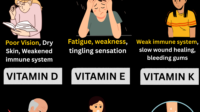
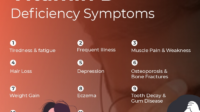
Some people also experience fatigue that feels heavier than usual. Others report muscle weakness, bone or back discomfort, or a generalized sense of achiness. There may be mood changes too, including low mood or irritability, because vitamin D interacts with broader systems that influence neurotransmitter function.
More “neuromuscular” companions include tingling sensations, muscle cramps, and increased sensitivity to light touches. If shaking is paired with these features, the likelihood that deficiency—or related mineral imbalance—is contributing rises.
Still, symptoms can overlap across many conditions. This overlap is why clinicians prioritize pattern recognition. The body’s symptoms are rarely single-threaded; they often braid together.
Electrolytes and Nerve Excitability: The Deeper Physiological Link
Tremors often reflect nerve and muscle excitability. Calcium plays a pivotal role in the threshold at which nerves fire and muscles respond. If vitamin D deficiency nudges calcium absorption downward, nerve membranes may become more “reactive,” lowering the barrier to spontaneous or exaggerated firing.
However, vitamin D deficiency can also travel with other nutritional or metabolic issues. For instance, magnesium deficiency can impair calcium regulation. If magnesium is low, calcium handling becomes even less dependable. The result can be a cascade of neuromuscular instability that might present as shaking, twitching, or spasmodic movements.
This is where deeper fascination begins: many “deficiency” symptoms are not caused by the primary deficit alone, but by the ecological relationships between nutrients. The body is a system of interconnected variables; change one parameter, and others may wobble in response.
Why Some People Notice Shaking While Others Don’t
Not everyone with low vitamin D experiences tremors. Several factors influence symptom visibility. Baseline mineral status matters. If someone already has adequate calcium and magnesium intake, the body might buffer against neuromuscular irritability for longer.
Genetics, age, and absorption efficiency also play roles. Older adults may have reduced skin synthesis of vitamin D and may absorb nutrients less efficiently. People with limited sun exposure, darker skin pigmentation, or certain dietary patterns may develop deficiency more readily. Those with malabsorption syndromes can be affected even if they take supplements inconsistently.
There’s also the “timing factor.” Tremor can be triggered by stress, poor sleep, dehydration, or stimulants. Vitamin D deficiency might set the stage, but an external cue—like caffeine, anxiety, or intense exercise—can pull the nervous system into an observable tremor pattern.
So, the observation isn’t necessarily contradictory; it’s contextual. Deficiency can be necessary but not always sufficient.
How Vitamin D Deficiency Is Typically Evaluated
When shaking is a concern, it’s reasonable to explore vitamin D among other possibilities, but evaluation should be guided. Clinicians often measure serum 25-hydroxyvitamin D, which reflects vitamin D stores. Depending on symptoms, they may also check calcium, phosphate, magnesium, parathyroid hormone, and sometimes kidney function—because mineral handling depends on multiple organs.
Importantly, normal results don’t automatically rule out everything. Symptoms can be caused by neurological conditions, thyroid abnormalities, medication effects, or essential tremor. The goal is not to force every tremor into a vitamin D box, but to determine whether vitamin D deficiency is a plausible contributor to the overall picture.
In the best assessments, lab findings and symptom patterns reinforce each other like matching notes in a chord.
What Treatment Looks Like (and Why Patience Matters)
If vitamin D deficiency is confirmed, treatment often involves supplementation and lifestyle adjustments. Sun exposure, dietary sources, and consistent dosing can help restore stores. Some people also require correction of calcium or magnesium imbalance, depending on lab trends and clinical presentation.
Patience is crucial. Rebuilding vitamin D stores is not instantaneous. Neuromuscular stability may improve gradually as mineral regulation and cellular signaling normalize.
However, improvement should be monitored. If tremor worsens, spreads, or is accompanied by weakness, fainting, severe headache, or new neurological deficits, prompt medical evaluation is essential. Shaking can be benign, but the body deserves respect when it intensifies.
When to Treat Shaking as Urgent
Most tremors are not emergencies, yet some patterns warrant immediate attention. If shaking is sudden and severe, if one side of the body is affected with weakness, if there is difficulty speaking or walking, or if tremor follows a head injury, urgent assessment becomes appropriate.
Also take new symptoms seriously: chest pain, shortness of breath, persistent confusion, high fever, or uncontrolled muscle contractions. In these instances, the cause may extend beyond vitamin D—such as metabolic disturbances, medication reactions, or acute neurological issues.
Thinking of tremor as a potential “signal” rather than a nuisance helps reduce delay and increases the odds of identifying the real cause.
Illustration: The Nervous System’s “Rhythm Engine”
To understand tremor, picture the nervous system as a rhythm engine. Tiny changes in chemical balance can alter how signals flow to muscles, making movement feel like it’s being played on the wrong tempo.

Bottom Line: A Plausible Piece of the Puzzle
Low vitamin D may contribute to tremors or shaking, particularly when it leads to neuromuscular irritability through calcium and related mineral regulation. It’s not the most common cause, but it can be part of the chain—especially when tremor appears alongside fatigue, muscle cramps, tingling, or bone discomfort.
The most productive approach is balanced curiosity: consider vitamin D as a plausible contributor, confirm with appropriate testing, and evaluate other causes in parallel. Tremor is rarely a single-cause story. It’s more like a narrative in chapters—vitamin status may be one chapter, and the next chapters are written by nerves, electrolytes, medications, and the body’s moment-to-moment stress ecology.