Picture this: you step outside on a bright winter day, feel the sun on your face, and think, “Great—vitamin D, here I come.” Now comes the plot twist. In much of the United States, winter sunlight may be visually convincing yet biologically underwhelming. So let’s ask a mischievous question: What good is sunlight that arrives like a postcard, but never quite lands like the real thing?
Why Winter Sun “Looks” Productive But Isn’t
In winter, the sun’s trajectory changes. The days shorten, and the angle of incidence becomes steeply unkind. Even if you’re wearing sunglasses for comfort and not science, the ultraviolet environment required for vitamin D synthesis can be too weak or absent for meaningful production.
Vitamin D is manufactured in your skin through a specific interaction between UVB radiation and cholesterol-like precursors. When UVB photons don’t arrive in sufficient quantity (or the exposure window collapses), your body can’t do the chemical alchemy that sunshine is famous for. Think of it as trying to start a campfire with damp matches: you can warm up your hands, but you won’t ignite anything substantial.
So yes, winter sunlight can feel lively—fresh air, crisp breezes, a mood-lifting glow. Yet the biological signal is often muted. The result is a common seasonal paradox: you’re outside, but your vitamin D status may still be stuck in neutral.
The “Most States” Problem: Latitude Writes the Rules
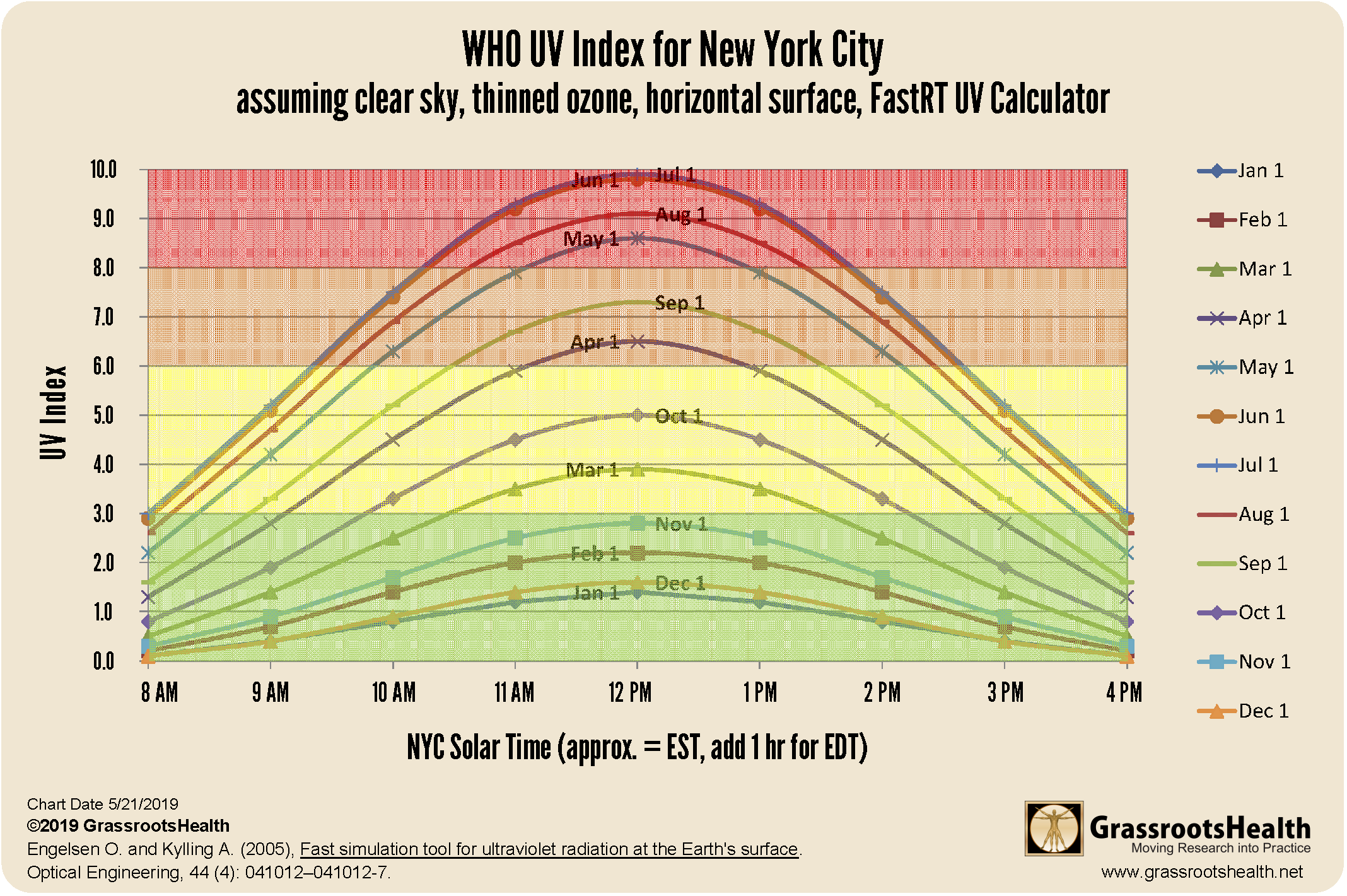
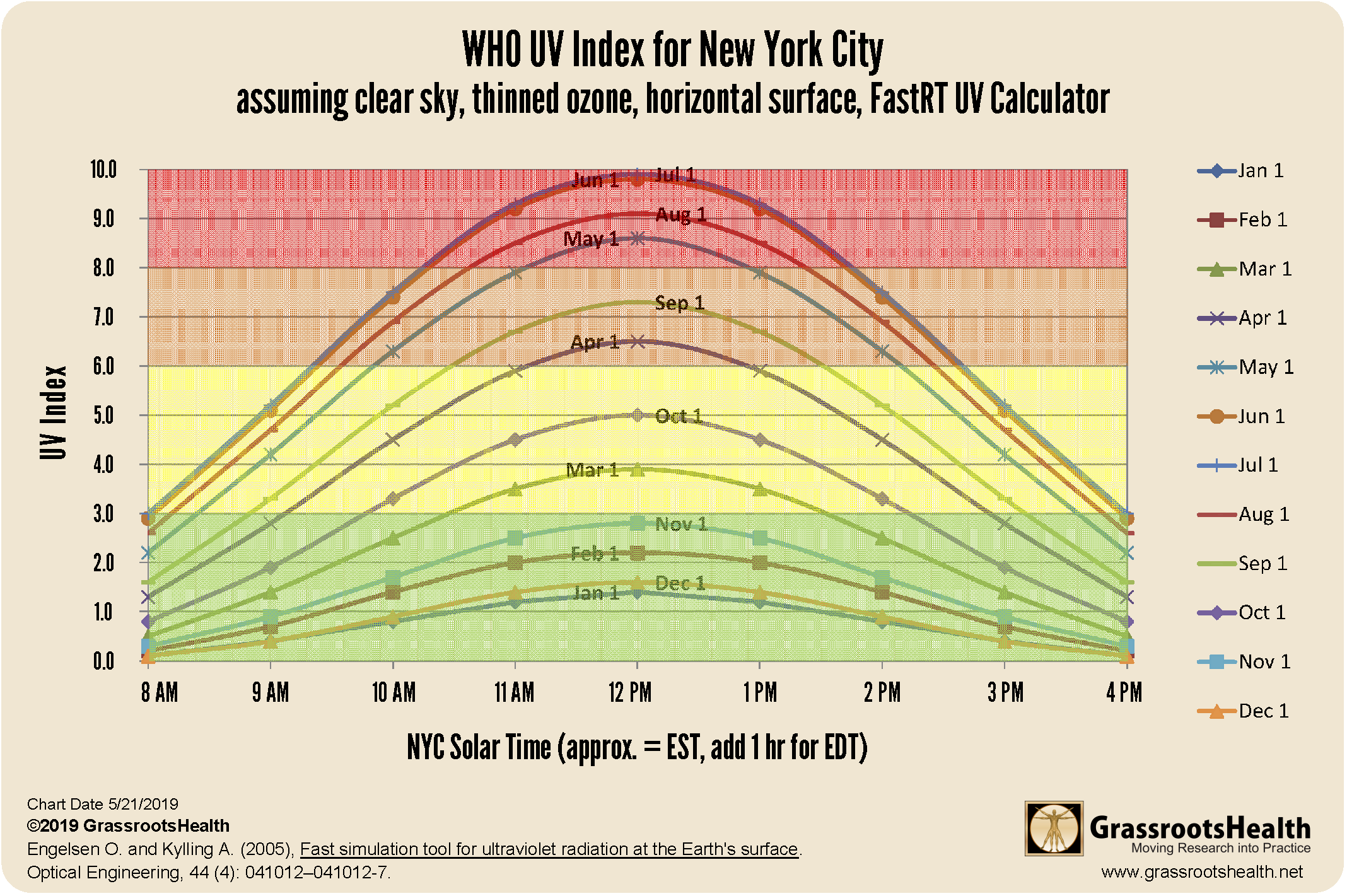
One of the most important factors is latitude. The higher you go north or south, the more sunlight quality deteriorates during winter months. In many areas, especially those farther from the equator, UVB intensity drops below the threshold needed for efficient vitamin D generation.
This creates a geographic cliff edge. Two people can experience the same sunny day—one basking in a vitamin D-friendly UVB spectrum, the other receiving light that’s bright but compositionally irrelevant. Your location determines whether winter sun is a vitamin D tool or merely a scenic backdrop.
If you’ve ever heard someone say, “I get plenty of sun,” they might be correct about brightness while being incorrect about UVB chemistry. Winter adds an extra layer: even midday brightness can fail to deliver the necessary ultraviolet “dose.”
Daylight Hours vs. UVB Reality: The Misleading Comparison
People often equate “time in the sun” with vitamin D success. But winter creates a deceptive equation. Daylight hours might be shorter, yes, but the bigger issue is that UVB intensity is low even when the sky looks cooperative.
UVB production is time-sensitive. Clouds, snow cover, and atmospheric conditions can further skew the mix. Snow can reflect light, but reflection doesn’t automatically restore the missing UVB intensity. You can end up with a dazzling glare and still not receive the UVB spectrum your skin needs.
Even clothing choices matter. A scarf and a long coat might make you comfortable for a walk, but they also reduce skin exposure. While sensible coverage is important in cold weather, it can further diminish any already-limited UVB access.
In other words: winter sun can be visible, yet physiologically negligible. Like a radio station that’s broadcasting music—without the frequency your receiver is tuned to.
Symptoms Aren’t Always Loud: Vitamin D Deficiency Can Be Sneaky
One challenge is that vitamin D deficiency doesn’t always announce itself with theatrical flair. Some people feel fatigue, general aches, or low mood. Others notice muscle weakness or a slowdown in recovery after exertion. But these can overlap with seasonal affective symptoms, sleep disruption, reduced activity, or simple winter weariness.
That’s why deficiency can become a slow-brewing subplot. You might blame stress, the holidays, or “getting older,” when the underlying issue could be a vitamin D deficit that never had an opportunity to correct itself.
So the playful question turns sharper: If winter sunlight can’t reliably produce vitamin D, how long will it take before your body starts asking for help?
Commonly referenced symptom patterns include muscle aches, weakness, and sometimes increased susceptibility to infections. However, individual experiences vary—some people remain asymptomatic until a lab test reveals the gap.
How Much Vitamin D Do You Get from Winter Sun?
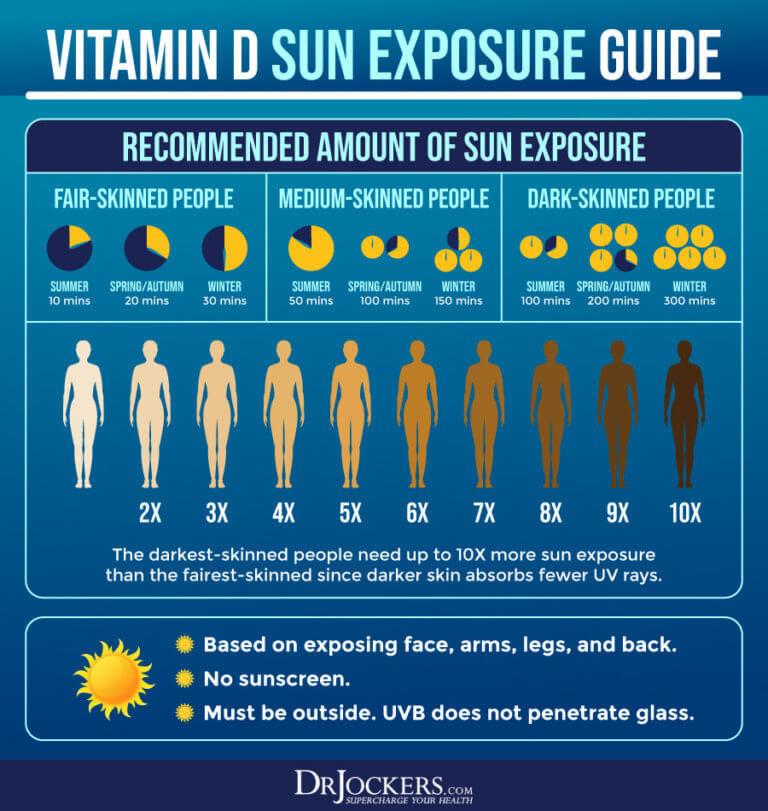
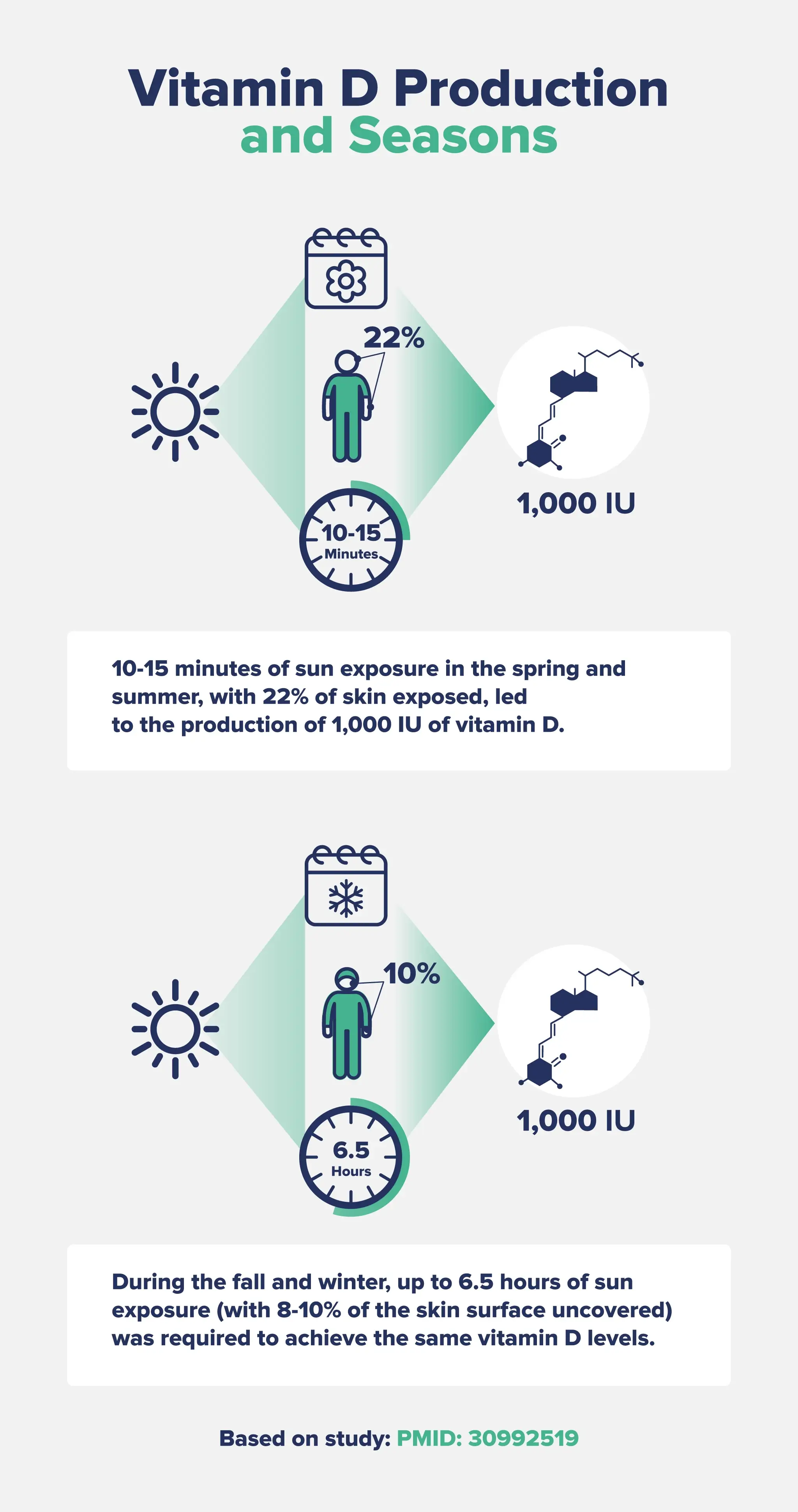
Here’s the crux: the amount produced depends on UVB intensity, season, latitude, time of day, skin pigmentation, age, and even outdoor habits. In winter, many locations experience UVB conditions that make vitamin D synthesis inefficient or effectively stalled.
Some people may still get a small benefit during brief periods when UVB peaks slightly—perhaps in late afternoon when the sun reaches its highest angle. But for much of the season, the “productive window” can be narrow or nonexistent.
When the body can’t manufacture vitamin D reliably, you’re left with other contributors: dietary sources and supplements. Those are not glamorized like sunshine, but they’re often the more dependable route in cold months.
It’s worth noting that “feeling warm” from the sun is not the same as receiving the right kind of radiation. A sunny day can still be a vitamin D quiet day.
The Sunshine Strategy: Safe Exposure Without Recklessness
If you want to engage winter sunlight intentionally, it helps to think like a strategist rather than a gambler. The aim is not to maximize exposure to extremes. The aim is to make the most of the ultraviolet conditions that do exist, while protecting your skin from harmful radiation.
Practical approaches often include choosing times when the sun is highest, spending short periods outdoors when UVB is available, and pairing outdoor time with smart coverage when needed. The exact recommendations vary widely by region and skin type, but the principle remains: don’t assume winter equals vitamin D production.
Also, “safe exposure” isn’t merely about SPF. Sunscreen can reduce UVB penetration, which can reduce vitamin D synthesis. That doesn’t mean sunscreen is a villain—it means your plan should balance skin safety with reasonable outdoor habits.
Supplements and Diet: The Unsexy Backup That Wins
When winter sun underperforms, supplements and food become the reliable scaffolding. Dietary vitamin D sources include fatty fish, fortified dairy or alternatives, egg yolks, and fortified cereals. Yet diet alone can be inconsistent, especially for people with low intake of those foods.
Supplements—when used appropriately—can help close the seasonal gap. Many people prefer a measured approach informed by bloodwork, rather than guessing. A healthcare professional can interpret 25(OH)D levels and suggest dosing that fits individual needs.
This isn’t about panic. It’s about precision. Winter is predictable in its constraints; your plan should be too.
Testing and Tailoring: Turn Guesswork into a Map
Since symptoms can be ambiguous, testing can be illuminating. A blood test for 25-hydroxyvitamin D provides a clearer picture of your current status. Once you know where you stand, you can decide whether lifestyle changes, dietary adjustments, or supplementation are warranted.
Think of it as calibrating instruments. Without calibration, you keep driving toward “sunny optimism,” but the destination might be far away.
If you live in a northern latitude, work indoors, or have limited winter outdoor time, the odds of insufficient UVB exposure rise. Likewise, darker skin pigmentation can increase the amount of UVB required to produce the same vitamin D response.
So… Is Winter Sun Useless for Vitamin D?
Not universally. It can help in select circumstances and locations. But the blunt truth is that for most states during winter, sunlight is often an unreliable vitamin D provider. Bright skies don’t guarantee UVB delivery. Warmth doesn’t mean vitamin D synthesis. And a winter routine that feels active might still fall short of biological necessity.
That playful question becomes a challenge you can actually act on: Will you rely on the illusion of winter sunlight—or build a dependable vitamin D strategy that works even when the UVB signal goes quiet?
With smart exposure, thoughtful nutrition, and possible supplementation, you can turn winter from a seasonal setback into a controlled, evidence-informed chapter—without waiting for spring to fix what winter couldn’t.