It’s a curious pattern in nutrition research: calcium supplementation sometimes looks unimpressive when given alone, yet the story sharpens when vitamin D enters the picture. Many people have noticed the apparent paradox—why would calcium, a mineral so central to bone architecture, show limited benefit in some studies? The answer isn’t merely a matter of “something missing.” It’s a sign that physiology is less like a machine with one part and more like a choreography—timing, signaling, and context determine whether the steps actually land.
1) The common observation: “Calcium alone didn’t move the needle”
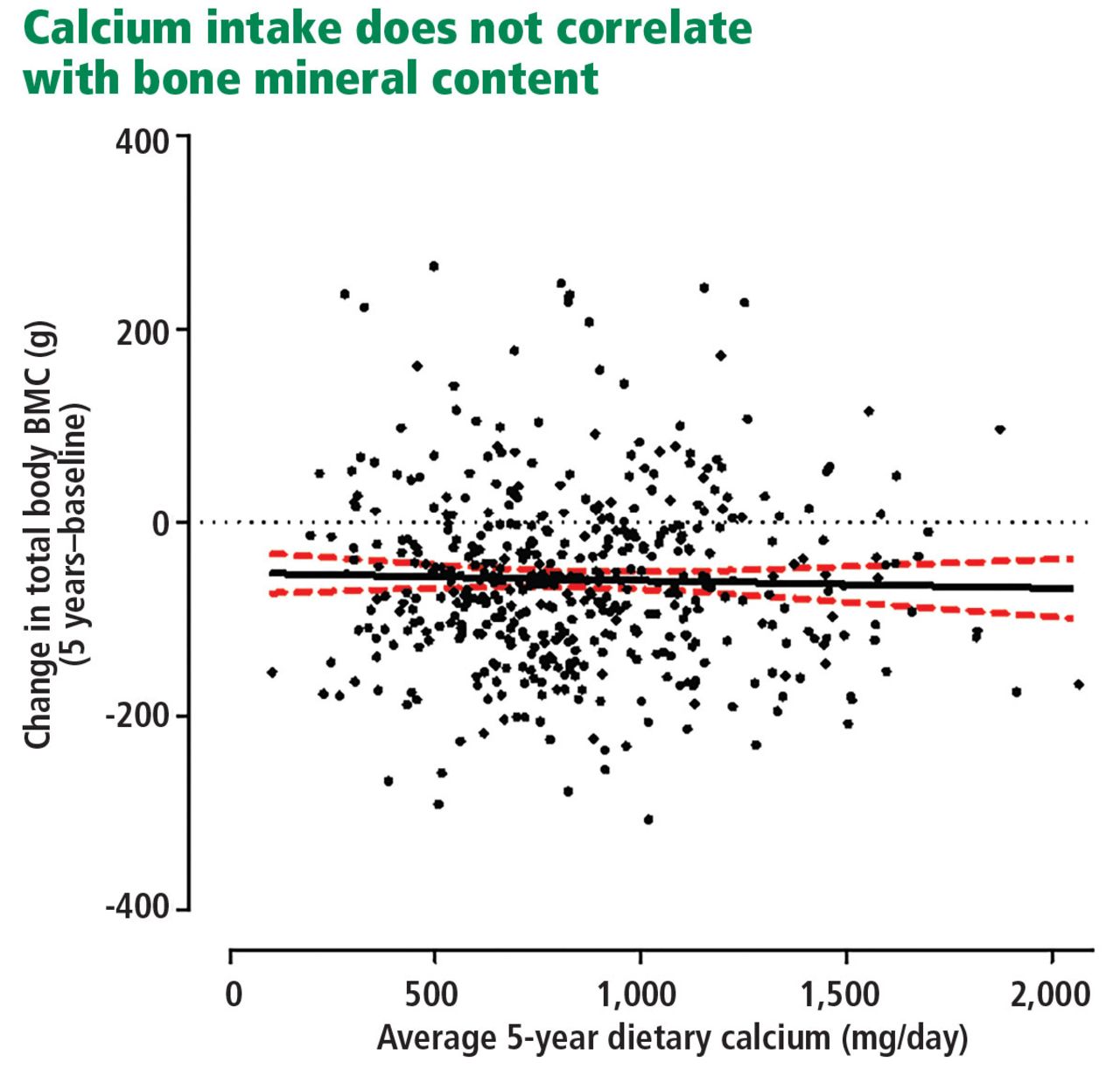
Across various trials, a frequent observation emerges. Participants may receive calcium supplements, yet fracture risk, bone mineral density, or markers of skeletal remodeling may not improve in a statistically persuasive way. The disappointment feels straightforward: calcium should help, so why doesn’t it?
But the body doesn’t accept minerals in isolation. Calcium is an actor in a broader plot, where absorption, transport, hormonal regulation, and bone turnover all have to cooperate. When calcium arrives without the biochemical “props” that allow it to be properly absorbed and utilized, the effect can be blunted—sometimes dramatically.

2) Absorption is the bottleneck, not the ingredient
Calcium’s journey begins in the intestine. For a portion of dietary calcium, absorption is passive and depends on concentration gradients. Yet a clinically meaningful share of regulated absorption is vitamin D–dependent. Vitamin D, through its hormonal pathway, increases calcium transport efficiency across enterocytes. Without it, calcium may sit in the gut like unactivated material—present, measurable, but not fully deployed.
So in studies where participants are vitamin D–insufficient—whether due to limited sunlight exposure, darker skin pigmentation, malabsorption syndromes, or dietary patterns—calcium supplementation can resemble trying to build scaffolding without nails. The mineral is supplied, but the system lacks the signal that helps the body internalize and mobilize it.
3) Baseline vitamin D status quietly determines outcomes
Not all participants start at the same point. A subset may already have adequate vitamin D levels, producing a modest or even negligible incremental effect from supplementation. Another subset may be deficient, where calcium alone can’t correct the absorption deficit.
This creates a “dilution phenomenon.” When results are pooled across groups with divergent baseline status, the overall average can look flat. Meanwhile, the most responsive individuals—the ones with low vitamin D—are masked by those who were already near saturation.
In narrative terms, the cohort becomes an ensemble cast with mismatched scripts. Calcium is offered to everyone, but only some characters have the missing lines needed for the scene to play out.
4) Calcium and vitamin D interact with hormones that govern bone turnover
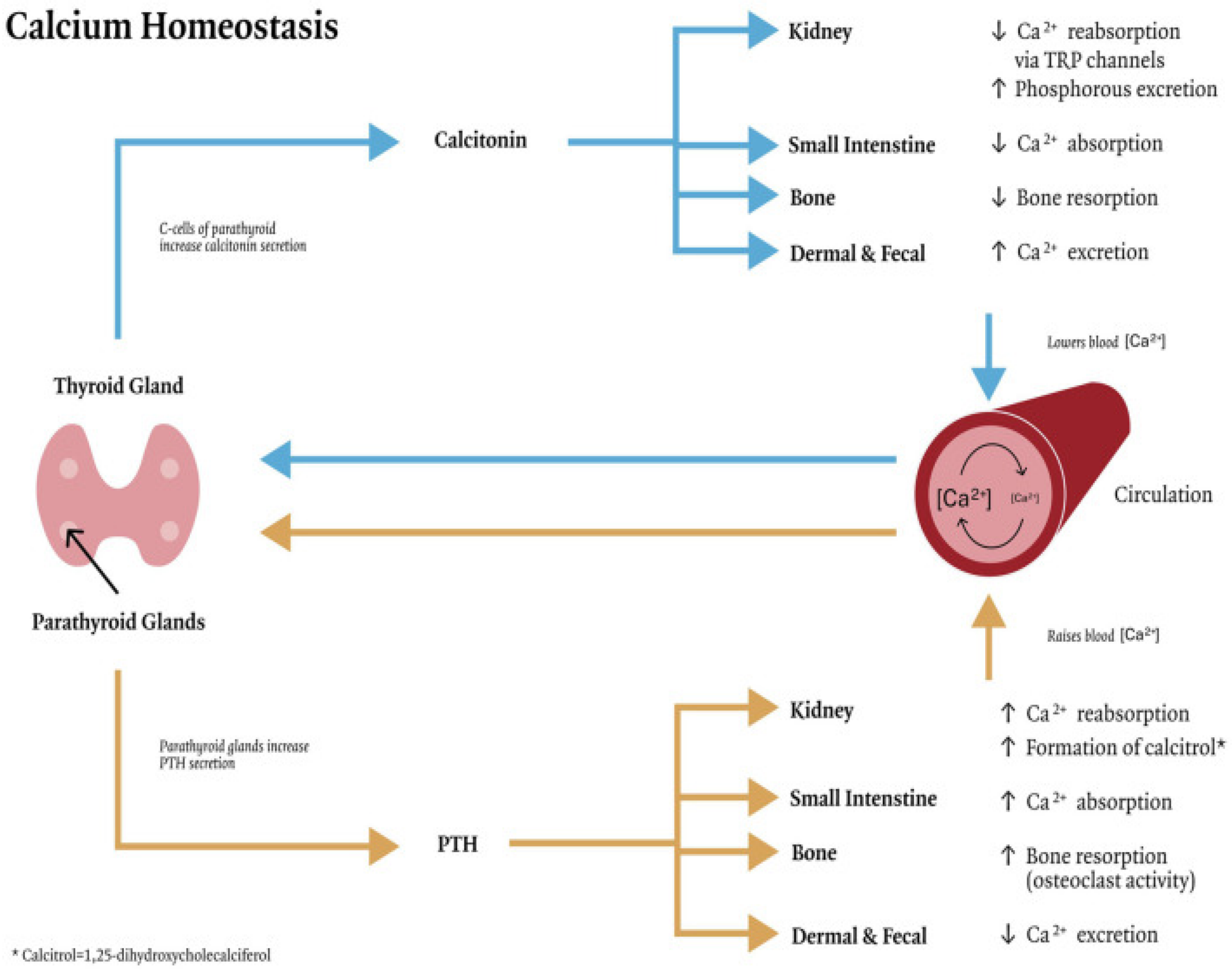
Bone is not static masonry. It is a living, metabolically active tissue that continuously remodels. Calcium homeostasis is supervised by parathyroid hormone (PTH), vitamin D metabolites, and calcium-sensing pathways. When vitamin D is low, calcium absorption wanes and serum calcium can drift toward the lower edge of normal. The body may compensate by elevating PTH.
Elevated PTH can increase bone resorption, releasing calcium from bone to protect blood calcium levels. In that scenario, giving calcium alone may not counterbalance the hormonal drive—especially if absorption remains impaired. Put differently: if the body is already pulling from bone to maintain blood calcium, providing extra calcium without improving absorption efficiency might fail to stop the withdrawal.
Vitamin D can shift the hormonal terrain. By improving absorption and supporting calcium balance, it may reduce excessive PTH stimulus and thereby influence remodeling dynamics in a direction that favors bone stability.
5) Study design: dose, duration, and endpoints can blur the signal
In real life, a skeleton takes time to respond. Many trials are relatively short compared with the slow remodeling cycle. Bone mineral density changes can be subtle early on, and fracture outcomes require large sample sizes and extended follow-up.
Moreover, calcium dosage varies widely across studies, and so does the form of the supplement. Some regimens distribute doses across the day, improving absorption kinetics. Others deliver a larger bolus that may lead to less efficient uptake. Meanwhile, vitamin D status might not be measured or stratified robustly, leaving the “who benefits” question unanswered.
Endpoints matter as well. A study may look at BMD alone, while true clinical benefit might be expressed through reduced falls, improved muscle function (vitamin D’s domain), or altered remodeling markers that aren’t captured in the primary analysis.
6) The “calcium threshold” problem: more isn’t always better
There is a concept that sometimes hides in plain sight: once adequate calcium intake is achieved from diet, additional supplementation may add diminishing returns. If participants already consume moderate calcium through food, the incremental effect of a calcium pill may be small.
Then comes the irony. Calcium alone can be plentiful on paper, yet vitamin D may still be insufficient. In that case, the body can’t exploit the extra calcium efficiently. The limiting reagent isn’t calcium; it’s the vitamin D–mediated absorption machinery.
This reframes the question from “Why doesn’t calcium help?” to “What is limiting in this particular physiological context?”
7) Vitamin D may help beyond bone mineralization
Vitamin D is often discussed as a bone nutrient, but it also influences muscle function, neuromuscular coordination, and possibly inflammatory signaling. When muscle strength declines or balance deteriorates, falls become more likely, and fractures follow.
So if a calcium-only trial shows no improvement, it may not be because bone cannot respond. It may be because the clinical outcome—fracture risk—depends on multiple pathways, and vitamin D contributes to more than mineral deposition.
In narrative terms, calcium strengthens the walls, but vitamin D may help steady the occupants. If the occupants slip, walls alone won’t prevent the damage.
8) The fascination with simplicity—and why physiology refuses it
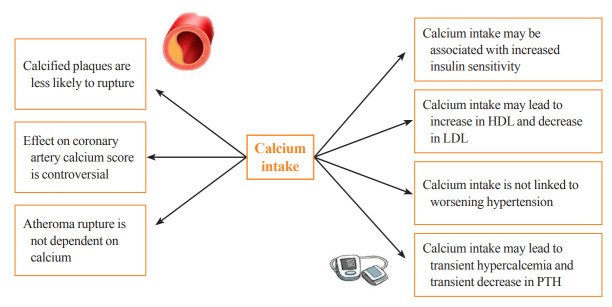
Humans love clean cause-and-effect stories. Supply calcium; therefore bones improve. Yet biology is rarely that obedient. Calcium is tightly regulated, and vitamin D orchestrates multiple steps required for calcium to become structurally meaningful within bone.
When studies show no benefit from calcium alone, the result can feel like a contradiction. In reality, it’s a clue. It suggests that the system’s bottleneck is upstream of bone hardness—at the level of absorption, hormonal equilibrium, and remodeling tempo.
This is why some research appears to “flip” when vitamin D is added. The combination doesn’t just add two nutrients. It repairs the pipeline, aligning mineral availability with the signals that convert it into bone structure.
9) Interpreting the findings responsibly: not every study, not every body
A careful reading avoids overgeneralization. Some individuals may respond to calcium alone, particularly if they have adequate vitamin D levels or already meet intake targets. Conversely, others may show little benefit without addressing vitamin D insufficiency.
Therefore, the most plausible synthesis is conditional: calcium can be beneficial, but vitamin D often determines whether calcium can be absorbed, retained, and incorporated into skeletal tissue. The “need D” framing is less a slogan than a physiological principle.
In practice, outcomes depend on baseline nutrition, sunlight exposure, kidney function, age-related changes, concomitant medications, and adherence patterns.
10) A narrative conclusion: the duet that makes sense
Some studies show no benefit of calcium alone because calcium is not a lone agent. It is recruited into bone outcomes through a coordination network—vitamin D enabling absorption, modulating PTH, influencing remodeling, and supporting the muscular and functional context in which fractures occur.
So the next time calcium-only results look muted, it’s worth looking for the hidden variable that decides whether the mineral will be used. In many cases, vitamin D is the key that unlocks the sequence. The research doesn’t undermine calcium’s importance; it reveals the body’s preference for partnership over supplementation in isolation.