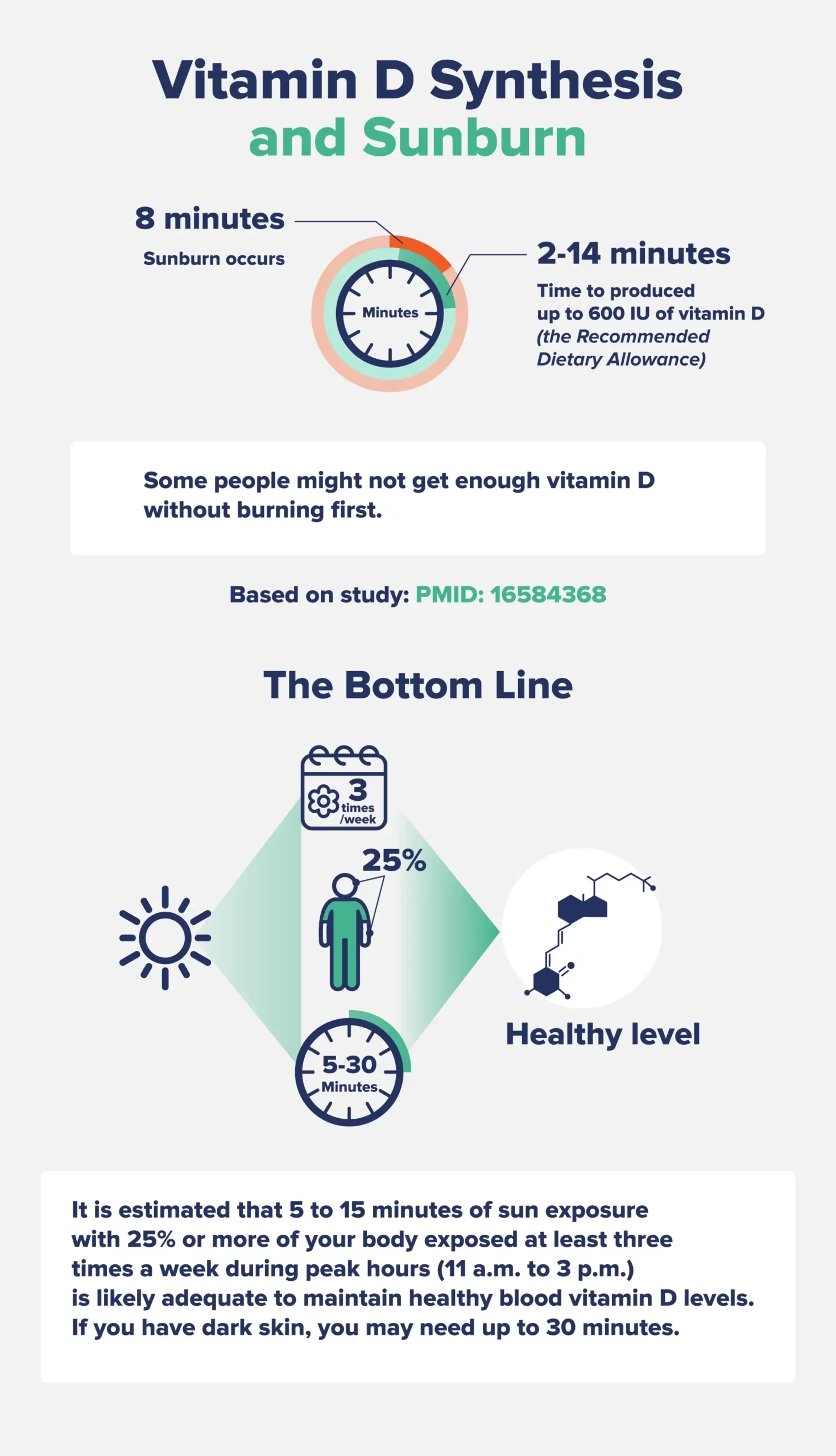
Ever wondered why some experts insist that sunlight can deliver “better” vitamin D—specifically in the sulfate form—while your bottle of supplements seems to play by different rules? It’s a tantalizing idea. And it comes with a playful little dare: what if the most reliable approach isn’t another pill, but the sky itself?
Before you roll your eyes, consider this challenge. You might be doing “everything right” and still feel under-satisfied—maybe your vitamin D bloodwork looks fine, yet you don’t feel like your body is singing in tune. Or perhaps you’ve heard that sunlight produces a vitamin D profile that aligns more naturally with human biochemistry, including pathways involving sulfate. Let’s explore why that claim persists, what “sulfate form” actually hints at, and why sunlight remains the headline act for many clinicians and researchers.
Sunlight as a biochemical “orchestrator,” not just a vitamin factory
Sunlight isn’t merely a light show; it’s a catalytic event. When UVB radiation reaches the skin, it triggers a chain reaction that eventually yields vitamin D-related compounds. In this framework, the skin acts like a living chemistry lab—one that can translate environmental signals into molecules your body can deploy.
The key nuance is that the transformation doesn’t occur in a vacuum. The skin, the liver, and the kidneys collaborate, and many downstream metabolites interact with sulfate-related processes. This is where the “sulfate form” conversation enters: some experts argue that sunlight-driven pathways tend to generate vitamin D metabolites that fit more harmoniously into the body’s natural metabolic choreography.
Short version: sunlight may create a broader, more physiologically integrated set of derivatives than a single, isolated supplemental form—at least in theory and in the way clinicians describe patient responses.
What does “sulfate form” imply, and why does it matter?
When people say “sulfate form” in the context of vitamin D, they’re usually pointing toward a metabolite style that involves sulfate conjugation. Sulfate isn’t just an inert side character; it’s a critical participant in detoxification, signaling, and molecular transport. Sulfate conjugation can influence how compounds behave—how they travel, how they’re processed, and how they interact with receptors or enzyme systems.
Long sentences have their place, but this one is important: if your vitamin D metabolites are more “compatible” with sulfate-dependent handling, the downstream biology could look different than it does with some supplement routes. That doesn’t automatically mean supplements are useless. It means advocates of sunlight argue the body may receive a more “native” pattern of chemical cousins.
Think of it like receiving a hand-knit sweater versus a factory-made garment. Both can keep you warm. But the seams, textures, and wear patterns may differ.

Why “better” can mean more than “higher” on a lab report
Here’s where the debate gets spicy. Many people equate “better vitamin D” with higher blood levels. But experts sometimes argue that the quality of metabolites—how they’re activated, conjugated, and utilized—may matter just as much as concentration.
A lab number can be a snapshot, not a story. Two people can have similar vitamin D serum levels and completely different experiences: one feels energized, supports immune resilience, and maintains smoother mood regulation, while the other feels flat or sluggish. Sunlight proponents suggest that the metabolite “mix” may contribute to those differences.
So the argument isn’t merely, “Sunlight gives vitamin D.” It’s, “Sunlight may give a vitamin D ecosystem.” The sulfate component is sometimes described as a clue that the ecosystem aligns more naturally with human biochemistry.
The role of skin and local metabolism: a front-door pathway
Your skin isn’t just a barrier; it’s an active endocrine interface. In sunlight exposure, molecules are created at the entry point—under conditions shaped by skin type, circulation, and local enzyme activity. That matters because the body tends to handle compounds differently depending on where and how they originate.
When vitamin D is synthesized through skin, it may be processed in a manner that better respects the body’s timing. Molecules can enter circulation and then get processed through liver and kidney pathways. Advocates of sunlight emphasize that this front-door route may encourage metabolite profiles—including sulfate-related handling—that supplements may not reproduce as reliably.
Still, the “better” claim should be treated as probabilistic, not magical. Your genetics and metabolism decide the final chapter.
Supplement routes, compliance, and the “whole-body context” problem
Supplements can be convenient. They can also be inconsistent in real life. People miss doses, take them with or without meals, vary brands, and sometimes combine multiple vitamin products unknowingly. But beyond compliance, there’s a more biochemical point.
When you swallow a vitamin D product, you’re delivering a specific compound into a systemic environment already full of competing metabolic demands—fat digestion, bile chemistry, liver workload, and sulfate availability. Sunlight advocates argue that sunlight exposure, by contrast, provides an upstream signal that the body can integrate more fluidly.
It’s not a courtroom verdict; it’s a reminder that biology rarely operates in single-variable ways. The “whole-body context” can change the outcome even when the headline nutrient is the same.
How posture, exposure angle, and habits can influence outcomes
Here’s a playful twist: the best vitamin D plan isn’t only about time outdoors. It’s also about how sunlight actually contacts your skin. Even within the same region, differences in clothing coverage, body orientation, and daily routines can shift UVB effectiveness.
Try asking yourself a quirky question: are you getting sunlight on the most receptive skin surfaces, or are you mostly getting bright light that’s strong but UVB-limited? Standing in a sunny window is a different story than stepping into open air.
Pose as if you’re photographing a candid moment—shoulders exposed, arms partially visible—then ask: do you do that consistently, safely, and at appropriate times? The challenge isn’t to chase sun like a novelty hobby. It’s to be intentional.
Safety first: balancing potential benefits with skin risk
Any conversation about sunlight must include caution. Sunlight can be lifesaving, but it can also be harmful when overdone. UV exposure increases risk of skin injury, aging, and—too frequently ignored—skin cancer.
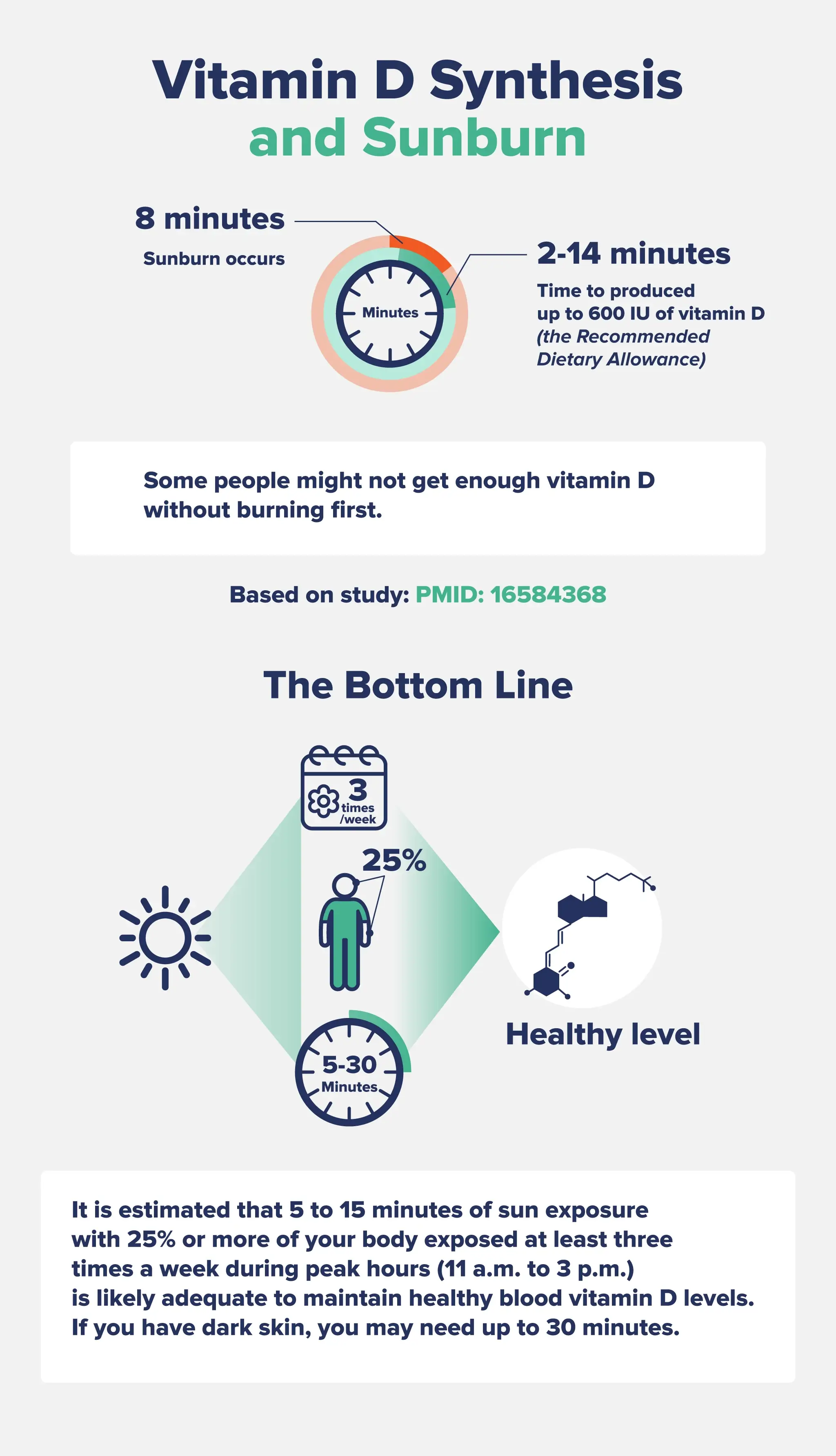
Experts who emphasize sunlight often do so with safety framing: short, sensible exposure; awareness of skin sensitivity; avoidance of peak intensity when appropriate; and protective behavior after the “necessary” window.
This is where sulfate arguments should stay grounded. Even if sunlight produces metabolite profiles that some interpret as “better,” the body doesn’t win prizes for reckless UV exposure. Your goal is smart dosing, not maximum scorching.
Timing, seasonality, and skin tone: why everyone’s “dose” differs
The Earth is not consistent. Seasons change UVB availability. Latitude changes it further. And skin melanin can reduce UVB penetration—meaning two people at the same location can receive different effective UVB doses.
This is why “some experts say” is such a common phrase. The claim holds plausibility in biological terms, but the real-world outcome depends on exposure quality. When someone says sunlight may yield sulfate-associated metabolite benefits, they may also implicitly assume consistent, appropriately timed exposure and individualized adjustments.
If you’ve ever tried to “copy” a friend’s sun routine and felt nothing changed, this is likely why. Your skin is your own chemistry.
A practical question: how do you test whether sunlight is helping you?
Rather than guessing, many people use bloodwork thoughtfully. Vitamin D status can be monitored with appropriate tests, interpreted alongside symptoms and other labs when needed. Some clinicians also consider broader metabolic context—kidney and liver function, mineral status, and sulfation-related factors.
The playful challenge becomes: are you measuring progress beyond vibes? If sunlight helps you feel better, that’s valuable information. But objective tracking can help distinguish true benefit from placebo comfort or seasonal fluctuations.
In other words, treat sunlight like an experiment you can safely conduct—repeatable, adjustable, and honest.
So, does sunlight truly beat supplements for sulfate-form vitamin D?
The answer isn’t a simple yes/no. The argument from experts is rooted in plausibility: sunlight creates vitamin D through skin-mediated chemistry, and downstream metabolite handling may involve sulfate-related pathways that supplements might not replicate in the same way. That could influence how the body utilizes vitamin D and how people experience symptoms.
Yet the practical reality remains: sunlight can be harder to standardize; supplements can be easier to control; and individual responses vary. The most persuasive stance usually sounds balanced: use sunlight wisely if it’s safe for you, consider supplements when appropriate, and rely on monitoring rather than mythology.
Now, the final question—delightfully inconvenient—is this: what if your best “vitamin strategy” isn’t choosing between sun and pills, but learning how to harmonize both with your body’s metabolism?