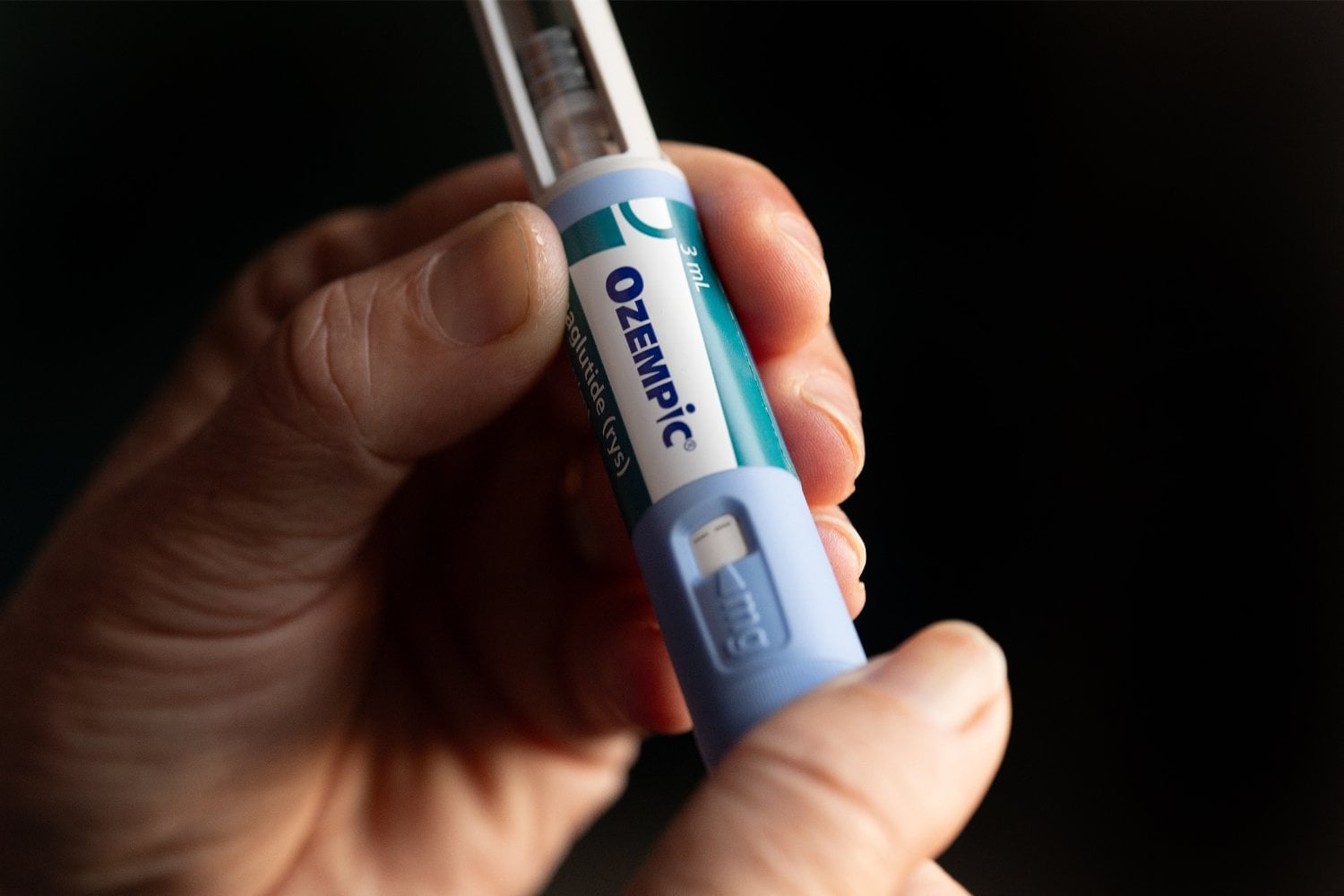
For many patients, starting Ozempic feels like stepping into daylight—appetite softens, cravings loosen their grip, and weight can begin to move in the right direction. Yet beneath those encouraging changes lies a quieter subplot: the body’s ability to handle nutrients may shift. One nutrient deserves particular attention—vitamin D. It isn’t just “another supplement.” It’s a conductor for bone health, immune signaling, and muscle function. And if absorption becomes less efficient, the consequences can arrive in a slow, misleading way—subtle at first, then suddenly inconvenient.
Ozempic, GLP-1 Signaling, and the Hidden Pathways of Absorption
Ozempic (a GLP-1 receptor agonist) is designed to influence appetite and glucose regulation. But the same biological circuitry that alters feeding behavior also affects gastric motility and gastrointestinal rhythms. Food can travel differently through the digestive system. That sounds ordinary—until you consider how vitamin D is absorbed.
Vitamin D is a fat-soluble vitamin, meaning it relies on digestion and lipid handling. When the digestive “workflow” changes—intentionally or indirectly—absorption efficiency can wobble. This is where malabsorption risk becomes a genuine concern, especially for patients who experience gastrointestinal side effects such as nausea, reduced intake, or persistent alterations in meal composition.
Here’s the perspective shift: monitoring vitamin D isn’t about fear. It’s about foresight. The body can compensate for a while. Then, when compensation runs out, symptoms can look like “general aging,” “fatigue,” or “unexplained aches.” Vitamin D deficiency is often accused of being inconspicuous—until it isn’t.
Vitamin D’s Real Job: More Than Bones and More Than Sunlight
Most people associate vitamin D with bones. That association is correct—but incomplete. Vitamin D participates in a network of regulation that reaches farther than calcium and bone mineral density.
It supports muscle strength, which matters for balance and mobility. It plays roles in immune modulation, influencing how the body calibrates inflammatory responses. In some individuals, deficiency can amplify the feeling of weakness or “heavy limbs,” even when weight loss is progressing.
So the curiosity should grow: if vitamin D is so foundational, why is it often overlooked? One reason is that vitamin D is frequently blamed for vague complaints only after the problem becomes obvious. Another reason is that many patients assume diet alone will fix everything. But diet is only one variable, and absorption—especially during medication-driven digestive changes—is the missing piece.
Who Is Most at Risk: The Overlap Between GLP-1 Use and Deficiency Factors
Not every patient on Ozempic will develop vitamin D deficiency. Risk isn’t destiny. Still, some patterns tend to increase vulnerability. Consider individuals with limited sun exposure, darker skin pigmentation (which reduces cutaneous vitamin D synthesis), or older age. Add those to malabsorption risk, and the probability curve changes.
Patients with pre-existing nutritional deficits are also more likely to need closer monitoring. Those with gastrointestinal disorders, history of bariatric surgery, or chronic diarrhea may absorb nutrients differently from baseline. Meanwhile, reduced appetite can shrink overall intake—including foods rich in vitamin D or calcium.
Another nuance: people often lose weight gradually while simultaneously eating smaller portions. That can be beneficial, but it can also lower the total “nutrient payload” delivered to the gut. Vitamin D may become the casualty of this nutrient dilution.
Why Deficiency Can Develop Quietly While Weight Loss Feels Loud
Ozempic often produces changes patients can feel: hunger fades, eating becomes easier to regulate, and weight reduction can be motivating. In contrast, vitamin D deficiency can behave like a low-grade fog. The body may continue functioning, but coordination, recovery, and strength may subtly deteriorate.
Possible clues include muscle aches, generalized fatigue, cramps, or a sense of weakness that doesn’t match activity levels. Some patients notice they’re slower to bounce back after exercise. Others report bone discomfort—an uncomfortable reminder that “normal” should feel smoother, not stiffer.
Because these symptoms can overlap with many conditions, deficiency may be misattributed. That’s why monitoring is so valuable. It transforms guesswork into data—measuring reality instead of interpreting it.
What Monitoring Looks Like: Testing, Timing, and Interpreting Results
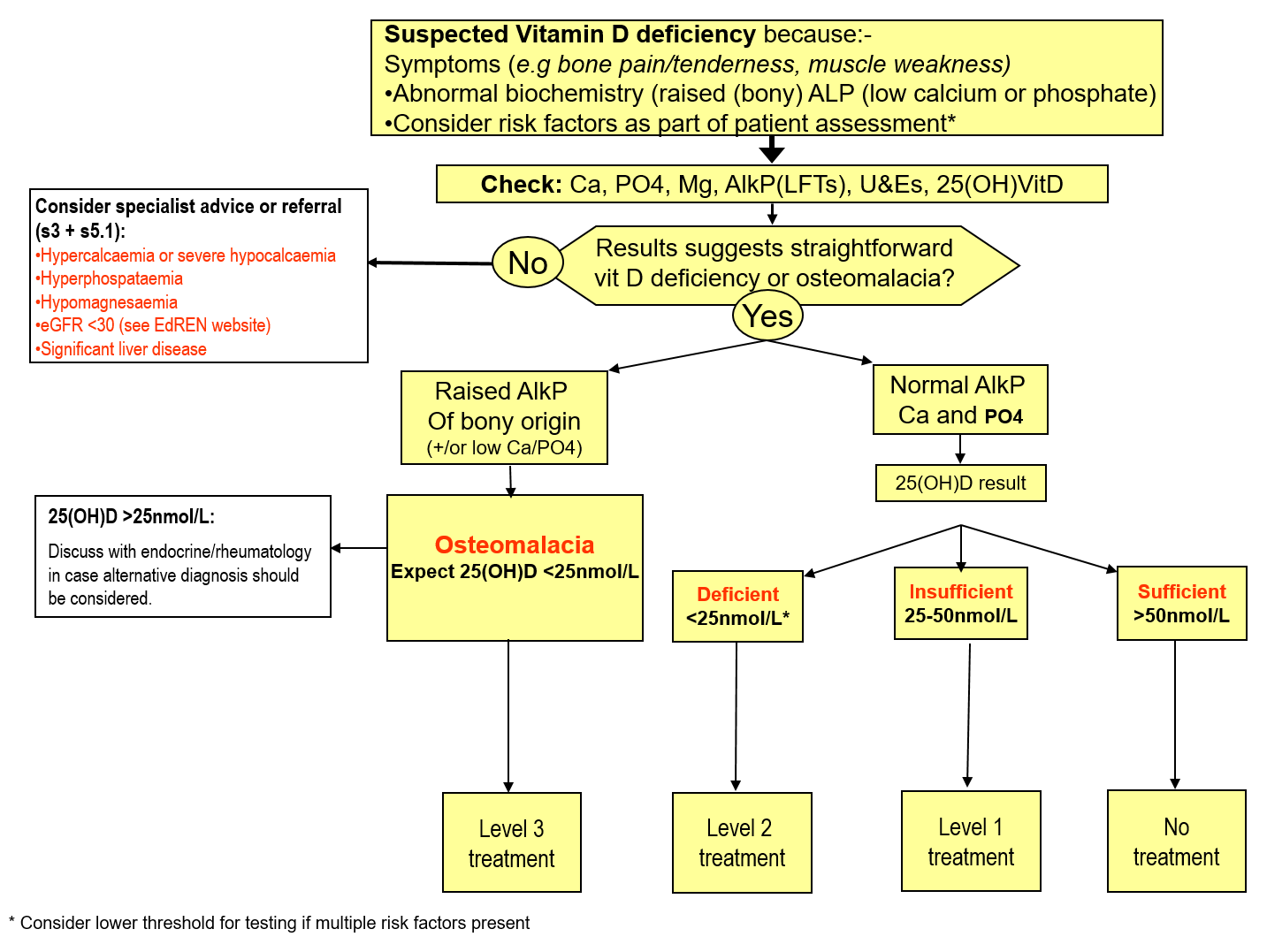
Monitoring usually begins with a blood test for 25-hydroxyvitamin D, the most commonly used marker. Clinicians may also consider calcium levels, parathyroid hormone (PTH), and sometimes markers that help interpret bone metabolism. The pattern matters: low vitamin D can prompt secondary hyperparathyroidism, where PTH rises to maintain calcium balance.
Timing can be strategic. Patients who are newly starting Ozempic or who have been on it for months with significant dietary changes may benefit from earlier screening. If someone has risk factors—such as limited sunlight, older age, or gastrointestinal issues—the rationale for earlier testing becomes even stronger.
Interpretation is the bridge between numbers and meaning. A value that sits “borderline” may still merit attention if symptoms appear or if risk factors are prominent. The goal isn’t perfection. The goal is stability: preventing deficiency from becoming a chronic undertone.
Supplementation: The Difference Between Guessing and Calibrating
When deficiency is confirmed—or strongly suspected—vitamin D supplementation may be recommended. But effective supplementation is less about taking “more” and more about taking “right.” Dose selection often depends on lab results, body weight, baseline deficiency severity, and comorbidities.
Some patients benefit from higher repletion doses initially, followed by a maintenance regimen. Others may need careful titration to avoid overshooting. Because vitamin D is fat-soluble, it accumulates; that’s helpful when managed well, dangerous when left unmonitored.
There is also a companion issue: vitamin D works best with calcium and adequate protein. If intake is low while appetite is suppressed, focusing only on vitamin D may be incomplete. Patients may also be advised to address magnesium and overall dietary patterns—small details that can make supplementation feel suddenly more effective.
The Calcium Connection: Supporting Bone Without Creating New Imbalances
Vitamin D doesn’t act alone. It orchestrates calcium absorption and helps maintain mineral balance for bone and muscle function. If vitamin D improves but calcium intake remains inadequate, the body may still struggle to rebuild or maintain healthy bone structure.
Therefore, bone health monitoring is often a combined strategy. Clinicians may evaluate dietary calcium intake, consider supplements if needed, and discuss safe targets. In some cases, additional testing or bone density assessment may be considered—particularly for patients with longer-term risk or prior bone concerns.
Think of it like teamwork. Vitamin D is the foreman. Calcium is the building material. The structure cannot rise if only one side shows up.
When Symptoms Trigger Action: Don’t Wait for the “Big” Problem
Some patients assume they should wait until symptoms become unmistakable. That assumption can be costly. Mild or moderate deficiency may still affect muscle function and recovery. If someone on Ozempic develops persistent weakness, worsening muscle pain, or unusual fatigue, vitamin D screening becomes a logical step.
Similarly, if labs later reveal low levels, the next question is not just “How low?” but “How long?” Chronic deficiency can influence bone remodeling and contribute to frailty over time.
Action doesn’t need drama. A simple test and a plan can prevent a slow spiral.
Practical Next Steps: A Patient-Centered Monitoring Plan
The best approach is proactive and personalized. Patients can ask their clinician about vitamin D testing—especially if they have risk factors or gastrointestinal side effects. It’s also reasonable to discuss whether calcium, magnesium, and protein intake should be reviewed, because vitamin D is rarely a solo act.
Once supplementation begins, follow-up labs can confirm that the strategy is working. Patients should also pay attention to how they feel: improved muscle comfort and steadier energy can reflect biochemical correction.
Most importantly, this monitoring isn’t a detour from the benefits of Ozempic. It’s an upgrade. Weight management can be supported more safely when nutrient status is watched like a map—not a guess.
A Shift in Perspective: Strength Is a Nutrient, Not Just a Body Shape
Ozempic can change body shape, yes. But the deeper promise is functional—strength, resilience, and the ability to move through life with less friction. Vitamin D monitoring helps protect that promise.
When the body’s nutrient foundations are maintained, weight loss becomes more than a number. It becomes a pathway to durability. A quiet correction today can prevent a louder problem tomorrow. That is the real value of paying attention to vitamin D while starting Ozempic: it’s not merely prevention—it’s preservation of momentum.