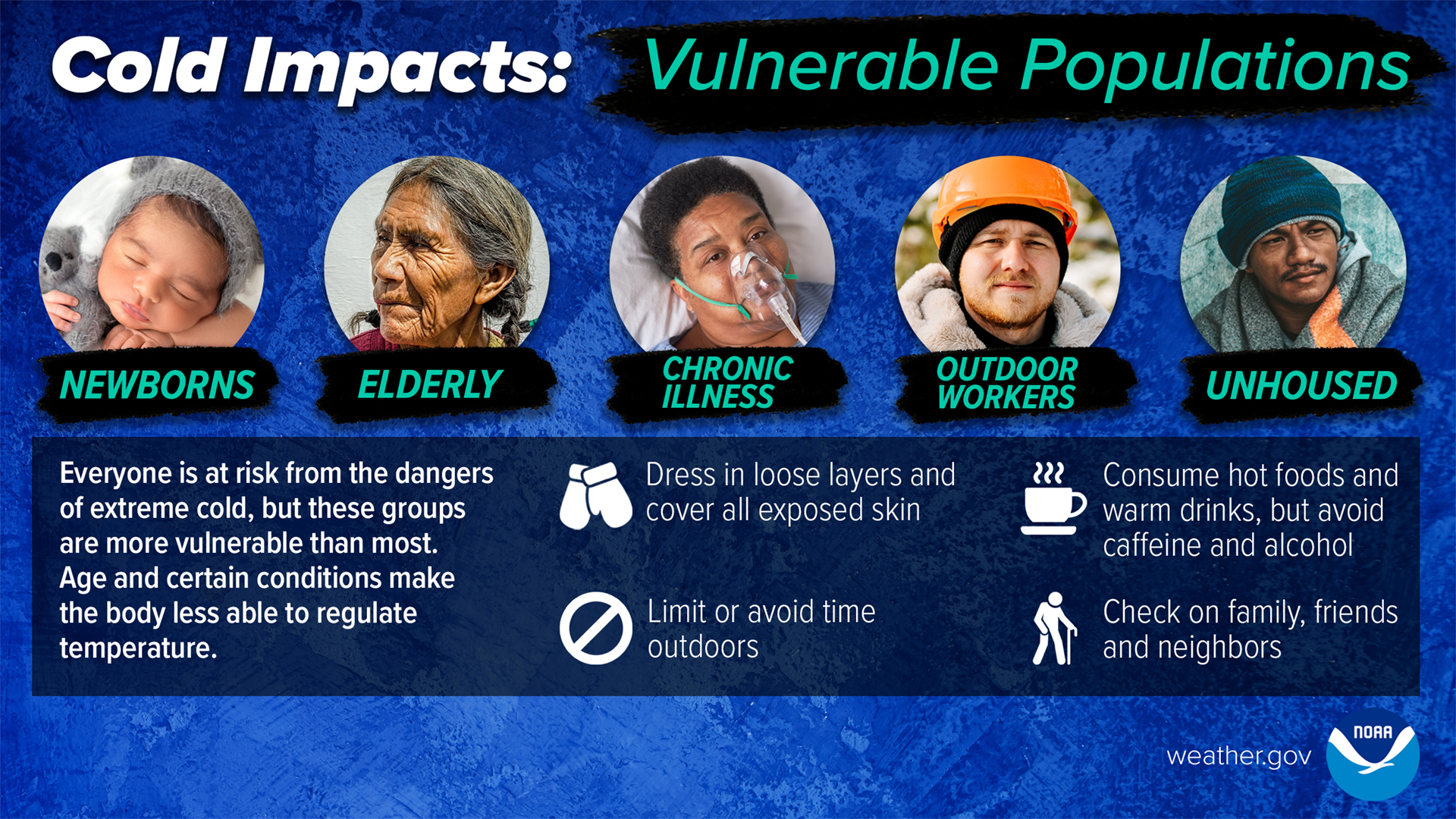
Winter in the United States can feel like a season of layered comfort—hoodies, warm drinks, and early sunsets. Yet for many dark-skinned Americans, winter can also mean a slow escalation of risk factors that accumulate quietly: less ultraviolet radiation, more time indoors, altered vitamin D metabolism, and the stubborn choreography of chronic conditions. The story isn’t about one single cause. It’s about how multiple biological and environmental pressures converge during colder months, and how those pressures can affect skin, immunity, and overall health.
Ultraviolet Decline and the Vitamin D Paradox
In winter, the sun’s angle drops. Ultraviolet B (UVB) radiation—an essential ingredient in the skin’s production of vitamin D—shrinks dramatically. For people with more melanin, UVB penetration is lower, so the skin synthesizes vitamin D less efficiently even when the day is bright. This isn’t a matter of “not getting enough sun” in a lifestyle sense; it’s a matter of physics.
The paradox is this: winter can reduce UV exposure for everyone, but the downstream biochemical consequences may be more pronounced for those whose skin naturally filters UV more aggressively. Low vitamin D status has been associated with a range of outcomes, including bone demineralization and immune dysregulation. Some of those effects are subtle at first—fatigue, aches, a mood that feels perpetually muted—before they become clinically relevant.
Readers can expect to see this section connected to practical realities: latitude, time outdoors, cloud cover, and skin pigmentation working together rather than independently. It’s a systems view that helps make sense of why “living in the same city” doesn’t always produce identical results.

More Indoor Time, Less Movement, and Metabolic Consequences
Winter often shrinks the horizon. Streets get busier with errands and quieter with recreation. Daylight arrives late; it leaves early. In practical terms, many people spend more hours indoors, often in environments with reduced airflow and more sedentary routines. Physical inactivity can compound vitamin D concerns, but it also affects glucose control, weight distribution, and cardiovascular strain.
Melanin-rich skin isn’t the villain here; the seasonal shift in daily behavior becomes the stage where risk intensifies. Less walking, fewer outdoor exercise sessions, and a greater reliance on calorie-dense comfort foods can nudge the body toward insulin resistance. Over time, that metabolic shift can influence inflammation levels—an undercurrent that matters to skin integrity and immune function.
In this portion, you’ll find content that moves beyond generalities. It links “winter routines” to plausible mechanisms: circadian disruption, reduced outdoor light exposure, and the cascade effect on appetite hormones and sleep quality.
Skin Hydration, Barrier Function, and the Quiet Aggravation of Eczema
Cold weather is dehydrating. Indoor heating further dries the air, and frequent bathing—especially with hot water—can strip the skin’s lipid layer. When the skin barrier thins, microscopic gaps appear. It’s not dramatic, but it’s consequential. For dark-skinned Americans who are more likely to experience certain inflammatory dermatoses, winter can become a flare season.
Eczema and related conditions may worsen in winter not because of a unique “winter germ,” but because the skin’s protective wall is compromised. The result can be itch, cracking, and inflammation. It can also invite secondary irritation from fabrics and fragrances—small exposures that become large when the barrier is already fragile.
This section typically includes specific content themes readers look for: why moisturizers work (and which ingredients tend to be most supportive), how to adjust bathing habits, and how to recognize early flare signals before they escalate.
Hyperpigmentation After Inflammation: When Healing Leaves Marks
One of the most distressing winter realities for many dark-skinned people is how inflammation can echo after it resolves. Post-inflammatory hyperpigmentation can linger, turning minor irritation into visible discoloration. Winter’s dryness and friction—think scarves, tight collars, dry air—can trigger repeated cycles of irritation. The skin heals, but the pigment doesn’t always reset quickly.
Readers can expect content that explains the difference between temporary redness and longer-lasting pigment changes. It also often emphasizes that treating the underlying inflammation is crucial. Otherwise, you can end up attempting to fade spots while the skin continues to be provoked.
Terminology may feel unfamiliar—melanogenesis, keratinocyte signaling, oxidative stress—but the writing usually translates it into a clear narrative: winter challenges the barrier, irritation sparks pigment pathways, and time becomes a limiting factor.
Scarcity of Care and Winter Timing: Delayed Dermatology Visits
Cold weather can also interfere with access. Appointments get postponed. Transportation becomes harder. People may prioritize acute issues—coughing, aches, urgent concerns—over skin monitoring. When skin problems develop slowly, winter delay can shift them from manageable to harder to treat.
For conditions that require early detection—especially skin cancer risk—the window for intervention is important. In winter, reduced outdoor activity can mean fewer casual screenings and less spontaneous attention to changing spots. And because some skin cancers appear in areas less exposed to sunlight, relying on “sunburn logic” can be misleading.
This section tends to address what readers often want most: how to monitor skin safely at home, what patterns should prompt a medical evaluation, and why changes in a lesion—rather than color alone—matter.
Skin Cancer Risks in Winter: Detection Challenges and Treatment Pathways
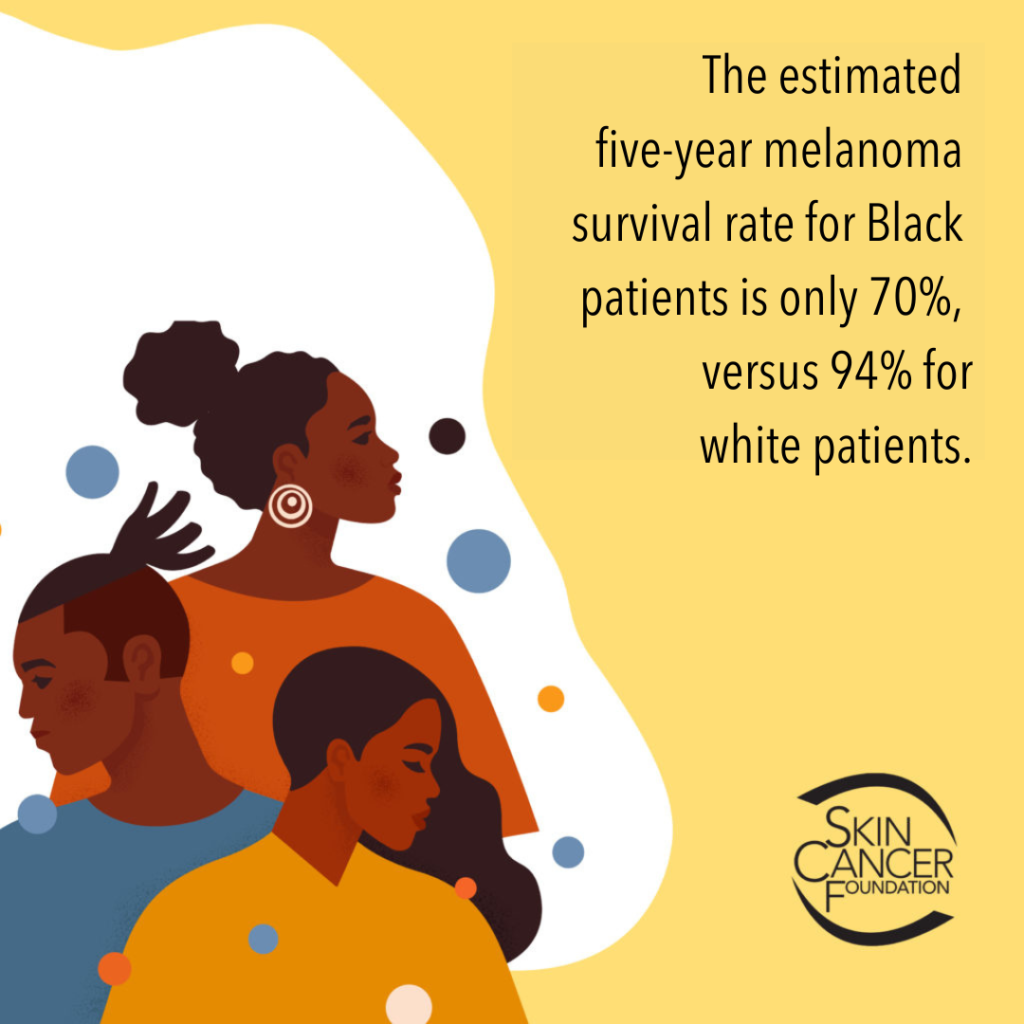
Winter can trick people into thinking skin health is simpler. Less tanning, fewer beach days—so it feels like the risk would drop. But skin cancer risk doesn’t vanish with seasonal light. Instead, detection may become less frequent, and lesions may progress in relative silence.
Dark-skinned Americans may face higher risk not only due to biological factors, but also due to detection disparities. Some lesions don’t present with the typical “classic” appearance described in mainstream materials. Under strain from delayed care, the diagnosis can arrive later, when treatment becomes more complex.
This section is often rich in practical education: how acral sites (soles, palms) can be affected, what “ABCD”-style awareness looks like in everyday life, and how clinicians approach diagnosis and treatment. It may also touch on the role of imaging, biopsy, and follow-up care—because skin health is rarely a one-visit story.
Immune Shifts, Respiratory Strain, and Skin as a Reflective Surface
Winter is also the season of viral circulation. Respiratory infections spread easily when people cluster indoors. Immune function becomes a more immediate concern, and for those with chronic inflammatory tendencies, the system can feel like it’s operating with less margin.
Skin can reflect systemic strain. When the immune system is taxed, inflammatory conditions may flare. Additionally, systemic inflammation and stress can worsen sleep, which then loops back into immune regulation and recovery.
Readers should expect content that ties together the “body-wide” nature of winter risk. The emphasis is not on panic. It’s on coherence: what happens in the lungs, how it can echo in the skin, and why restorative routines matter.
Practical Winter Strategies: Turning Risk into Routine
The most useful winter content is always operational. It tells you what to do tomorrow morning, not just what to fear. Strategies for dark-skinned Americans may include purposeful sunlight exposure when feasible, checking vitamin D status with a clinician’s guidance, and using moisturizers designed to support the skin barrier—especially after washing.
Wardrobe also matters. Gentle fabrics reduce friction. Layering protects against harsh wind. Sunscreen remains relevant even in winter—snow glare can intensify exposure, and UV can appear on cloudy days.
Readers can expect checklists: hydration habits, skincare timing, when to seek dermatology care, and how to document changes with photographs. One helpful theme is consistency. In winter, small daily choices often outshine occasional “big efforts.”
What to Watch For: Red Flags and When to Seek Help
Not every dry patch is a medical emergency. Not every discoloration is dangerous. But winter is a season where delayed attention can cost time. Red flags often include persistent changes—lesions that don’t improve, areas that bleed or ulcerate, and pigment changes that expand or develop uneven borders.
Because skin cancer and inflammatory conditions can overlap in appearance, medical evaluation is the most dependable pathway. This section typically encourages readers to trust pattern recognition: what changed, how long it has been happening, whether symptoms are escalating, and whether home treatments are failing.
The underlying message is steady and respectful: winter risk is real, but so is prevention. Awareness, early evaluation, and barrier-supportive skincare can transform the season from a threat into a manageable chapter.