After 40, the body rarely announces its changes with drama. It more often does so like a dimmer switch—quietly lowering the brightness of regeneration, quietly rearranging the way bone repairs itself. Your skeleton is still there, still strong, but the internal bookkeeping begins to change: less construction, more wear; slower remodeling, narrower margins. In the middle of that shift, vitamin D emerges as an unusual ally—less a “vitamin” in the casual sense and more a molecular diplomat, helping calcium and bone cells negotiate with one another.
The Bone’s Unseen Remodeling Cycle: A City That Repairs Itself
Think of bone as a living metropolis. Day after day, workers (osteoblasts) build, and demolition crews (osteoclasts) remove damaged structure. The process is called remodeling, and it’s normally balanced—like traffic lights timed to the second. But as the decades accumulate, that synchronization starts to wobble. The building crew may not be as prolific, and the demolition crew may clear more quickly than it should. The result can be subtle at first: micro-architectural thinning, decreased trabecular connectivity, and a gradual change in how resilient bones feel when stress arrives.
Here’s the key detail: bone health is not merely “density.” It’s also the quality of the internal lattice, the integrity of cortical bone, and the body’s ability to respond to mechanical load. After 40, the same physical activity may not stimulate remodeling as efficiently. Your body still senses strain—but the signals travel more slowly, and the “blueprint” for repair isn’t executed with the same vigor.
Hormonal Drift After 40: When Signals Go Off-Beat
Hormones act like the orchestra’s conductor. When estrogen levels decline—particularly during and after menopause—bone protection can weaken. Estrogen influences osteoclast activity, shifting the remodeling balance toward less breakdown. When it drops, the brakes loosen. In men, testosterone also gradually changes, which can affect bone formation and muscle mass. And muscle matters, because stronger muscles pull on bones and provide the mechanical cues that help maintain skeletal architecture.
This isn’t simply a “woman’s issue” or a “man’s issue.” It’s a systems issue: hormonal modulation, inflammatory tone, and body composition become intertwined. Fat tissue can influence estrogen availability, while chronic low-grade inflammation can subtly tip the remodeling scale. The story after 40 is therefore not one event, but a chain reaction of altered signaling.
Calcium Supply and Utilization: The Broken Bridge Problem
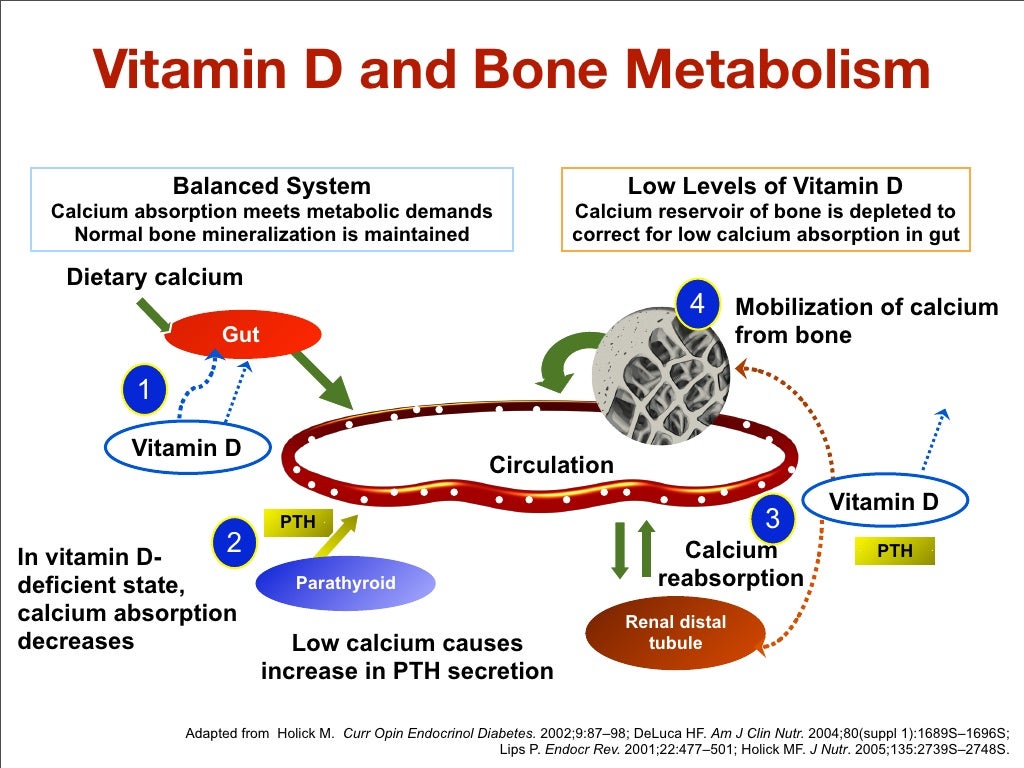
Calcium is the building material. But a material alone doesn’t create structure—there must be a bridge from diet to bone. That bridge is largely governed by vitamin D and calcium absorption in the gut. If absorption is reduced, the body compensates by pulling calcium from stores, maintaining blood calcium levels at the expense of bone integrity. Over time, that compensation becomes a chronic compromise.
Imagine calcium as bricks and bone as a house under renovation. Without adequate transport and placement, bricks accumulate in the wrong rooms. Serum calcium can remain “normal” for a while, masking the silent depletion occurring within bone. This is why bone loss can progress even when routine blood panels don’t look alarming.
Vitamin D’s Role: A Molecular Courier for Bone Building
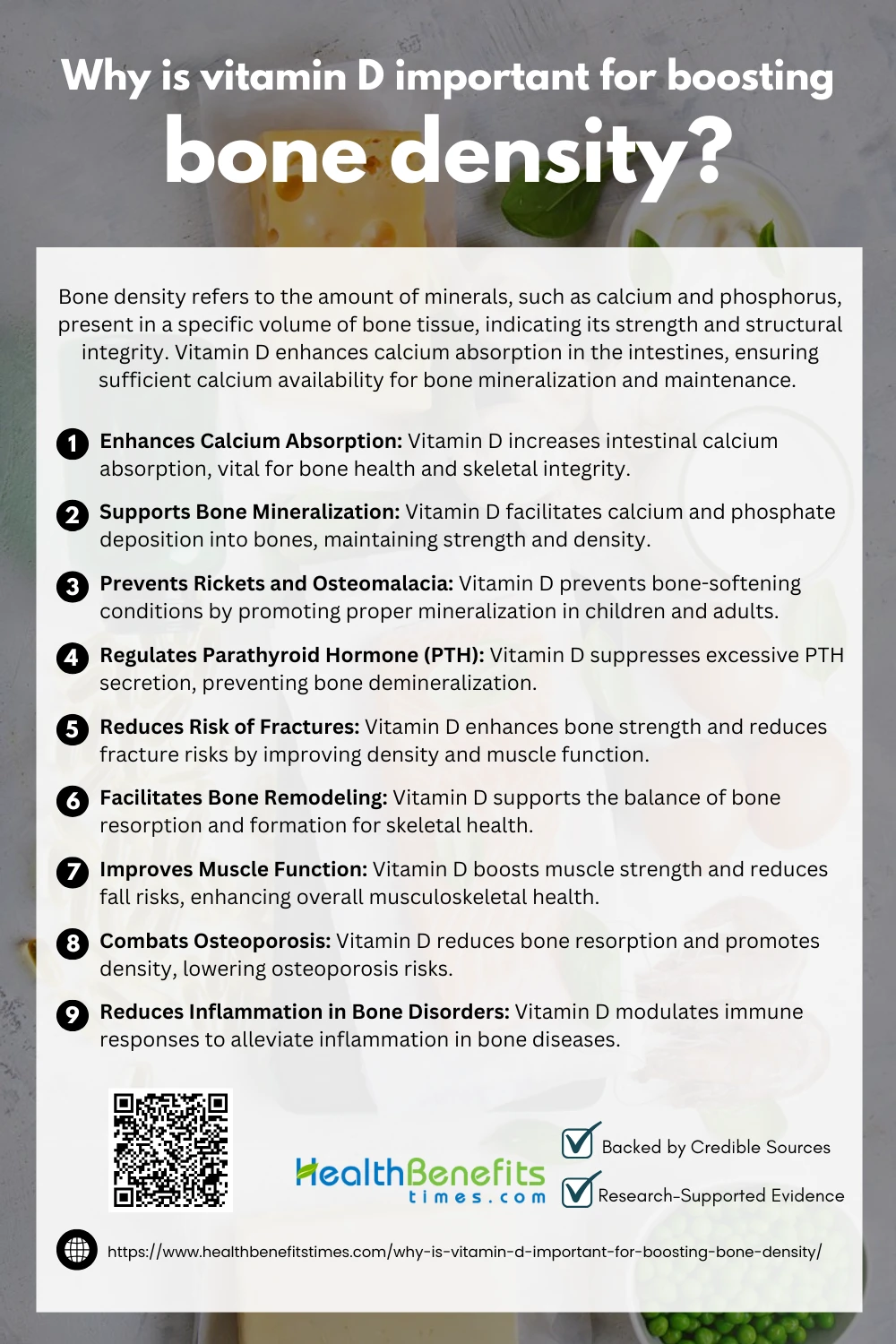
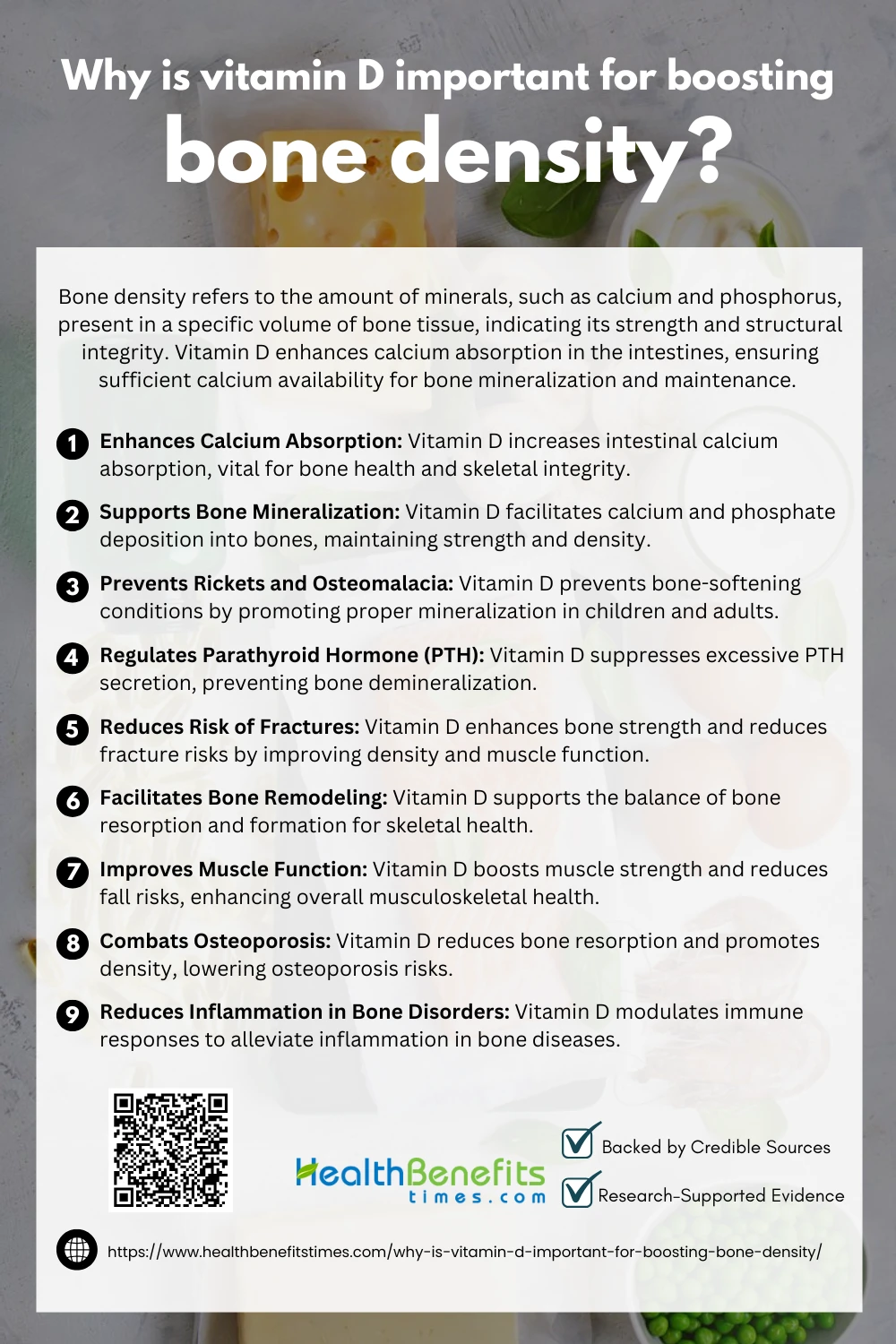
Vitamin D helps the body absorb calcium—essentially serving as a molecular courier that ensures the nutrients reach the construction site. When vitamin D status is insufficient, intestinal absorption of calcium and phosphate can decline. That means fewer materials arrive where they’re needed, and bone mineralization becomes less efficient.
Beyond absorption, vitamin D also influences the behavior of bone cells. It supports osteoblast function and helps maintain a healthier remodeling balance. The effect is not instant like flipping a light switch. It’s more like reactivating a dormant supply chain—slow improvements that accumulate into measurable changes over time.
In practical terms, vitamin D helps ensure the “signal-to-building” ratio improves: more of the nutrients you consume are converted into usable mineral for skeletal strength.
Sunlight, Skin, and Age: Why the Same Routine Gets Less Output
Many people associate vitamin D with sunlight, and that connection is real. But after 40, the body becomes less efficient at producing vitamin D in the skin. Skin can become less responsive, and seasonal patterns, latitude, clothing habits, and indoor living can reduce exposure. Even when sun is present, the dose delivered may be smaller than you remember from earlier years.
There’s also a paradox: more time indoors might feel safer and more controlled, yet it can lower natural vitamin D synthesis. The body cannot manufacture what it isn’t given the opportunity to create.
So the question becomes not “Do you need vitamin D?” but “How consistently does your life provide it?” For many, diet and sunlight alone aren’t enough as aging shifts the efficiency of synthesis.
Bone Density vs. Bone Strength: The Lattice Matters
Bone density is often used as a headline metric, but the skeleton’s true strength is more complicated. Strength emerges from geometry, microarchitecture, collagen quality, and mineralization patterns. Vitamin D participates in the mineralization process—helping ensure that calcium and phosphate integrate properly into the bone matrix.
When vitamin D is lacking, bones may become less optimally mineralized. That can reduce stiffness and increase fragility even if density changes are subtle. Think of it as strengthening a scaffold: if the “mortar” composition is altered, the scaffold can look sturdy but fail under stress.
How Low Vitamin D Can Echo Through Lifestyle Choices
Vitamin D deficiency rarely lives alone. It can travel alongside limited outdoor time, reduced dietary intake of vitamin D-rich foods, and lower physical activity. It can also coexist with gastrointestinal absorption issues, certain medications, and conditions that influence nutrient handling.
Some people notice fatigue or muscle weakness and assume it’s simply aging. Yet inadequate vitamin D can contribute to muscle dysfunction—affecting balance and increasing the risk of falls. And falls are where bone health becomes intensely consequential. A brittle bone plus a destabilized gait is a dangerous combination.
So vitamin D’s influence is both direct (bone mineralization) and indirect (muscle performance and fall risk). It’s a two-channel protector.
Strength Training and Weight-Bearing Exercise: The Chisel That Works With Vitamin D
Vitamin D helps supply the materials and regulatory signals. Exercise, especially strength training and weight-bearing movement, provides the mechanical instructions that tell bone to adapt. Bones respond to load through mechanotransduction—the conversion of physical stress into biological remodeling cues.
After 40, exercise becomes less optional and more architectural. Resistance training preserves muscle mass, improves posture, and increases the pull on skeletal sites that matter. Weight-bearing activities encourage mineral retention and stimulate beneficial remodeling. Even brisk walking can be a gentle but consistent message to the skeleton: “We still need this structure strong.”
The unique appeal is synergy. Vitamin D supports absorption and cellular readiness, while exercise supplies the pattern bone cells interpret as “build here.” Together, they create a feedback loop that aging tries to break.
Supplements and Caution: Personalization Beats Guesswork
Vitamin D can be obtained through sunlight, food, and supplements. However, supplementation isn’t one-size-fits-all. Dosing should be individualized—considering baseline vitamin D status, calcium intake, medical conditions, body weight, and concurrent medications. Excessive vitamin D can lead to hypercalcemia, so restraint is not a limitation; it’s a discipline.
Testing can clarify whether vitamin D is actually a bottleneck. If levels are low, targeted correction may improve calcium absorption and support bone maintenance. If levels are adequate, the focus might shift more heavily toward training, dietary calcium, protein adequacy, and lifestyle factors that affect remodeling.
In other words, vitamin D is not a magic spell. It’s more like the right key for the correct lock. When the match is precise, outcomes become more reliable.
Putting It Together: A Bone-Forward Plan for the Next Decade
Bone decline after 40 is not inevitable in the dramatic sense. It’s more like a slow weathering. You can’t stop time, but you can influence the conditions time acts upon. Prioritize vitamin D adequacy so calcium can be absorbed efficiently. Pair it with resistance training and weight-bearing activity so bone receives the mechanical “blueprint” for adaptation. Support overall nutrition with calcium and adequate protein, and consider balance-focused routines to reduce fall risk.
Metaphorically, think of vitamin D as the courier and the workshop foreman. Exercise is the construction crew that shows up to use the supplies. Aging may dim the schedule, but it doesn’t erase the possibility of building resilience. With consistent, bone-informed choices, the years after 40 can become less about loss and more about wise maintenance—quietly strengthening the scaffolding that carries your life.