Sleep is not merely a nightly pause; it is a biochemical rehearsal for the next day. Yet for many people, the curtains never fully close. That’s where vitamin D enters the narrative—less as a “sedative,” and more as a quiet conductor influencing circadian timing, melatonin signaling, and inflammatory tone. The question then becomes precise: which form of vitamin D is better for sleep quality, D3 or D2? The answer is not a one-line verdict. It’s a decision shaped by absorption, conversion in the body, dosing practicality, and the subtle differences between how these forms behave once they enter circulation.
Vitamin D and Sleep Quality: Why the Form Matters
Vitamin D has a long reputation for bone health, but its influence extends far beyond calcium metabolism. In the nervous system and in immune cells, vitamin D acts more like a modulator than a switch. Sleep quality—how quickly you fall asleep, whether you wake repeatedly, and how restored you feel—depends on multiple pathways. Among them are circadian rhythm regulation and melatonin dynamics.
Melatonin helps define “night” for the body. Vitamin D participates in the environment where melatonin signaling can be optimized. It also interacts with inflammatory processes; excessive inflammation can destabilize sleep architecture, making you lighter during the night and more alert during the wrong hours. Because the body’s ability to maintain vitamin D status influences these downstream effects, the specific vitamin D form you choose can matter.
D3 vs D2: The Basic Distinction in Plain Terms
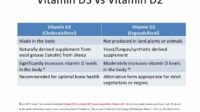
Vitamin D comes in different chemical forms, commonly D3 (cholecalciferol) and D2 (ergocalciferol). D3 is naturally synthesized in human skin after sunlight exposure, while D2 is often derived from plant or fungal sources. On paper, both can raise vitamin D levels. In practice, their “biological behavior” can diverge.
Think of D3 as the form your body recognizes most intimately—like returning to a familiar rhythm. D2 may still work, but it can be more variable in how efficiently it maintains vitamin D stores over time. This distinction becomes relevant when sleep quality is the goal, because sleep benefits tend to emerge from stable nutritional status rather than brief fluctuations.
Absorption and Bioavailability: D3 Often Has the Edge
Absorption and bioavailability determine how much of the dose actually becomes usable in your system. Vitamin D must travel through the bloodstream and then be processed to exert effects. Research observations and clinical patterns frequently suggest that D3 raises blood levels more effectively and sustains them longer than D2, though outcomes can vary by person and by baseline deficiency.
If your goal is improved sleep, consistency matters. A supplement that corrects deficiency more reliably may help you reach a threshold where circadian support and immune calming are easier to maintain. Short-term “number changes” are not enough; sleep quality typically improves when the body senses stability.
How Vitamin D Influences Melatonin and Circadian Signaling
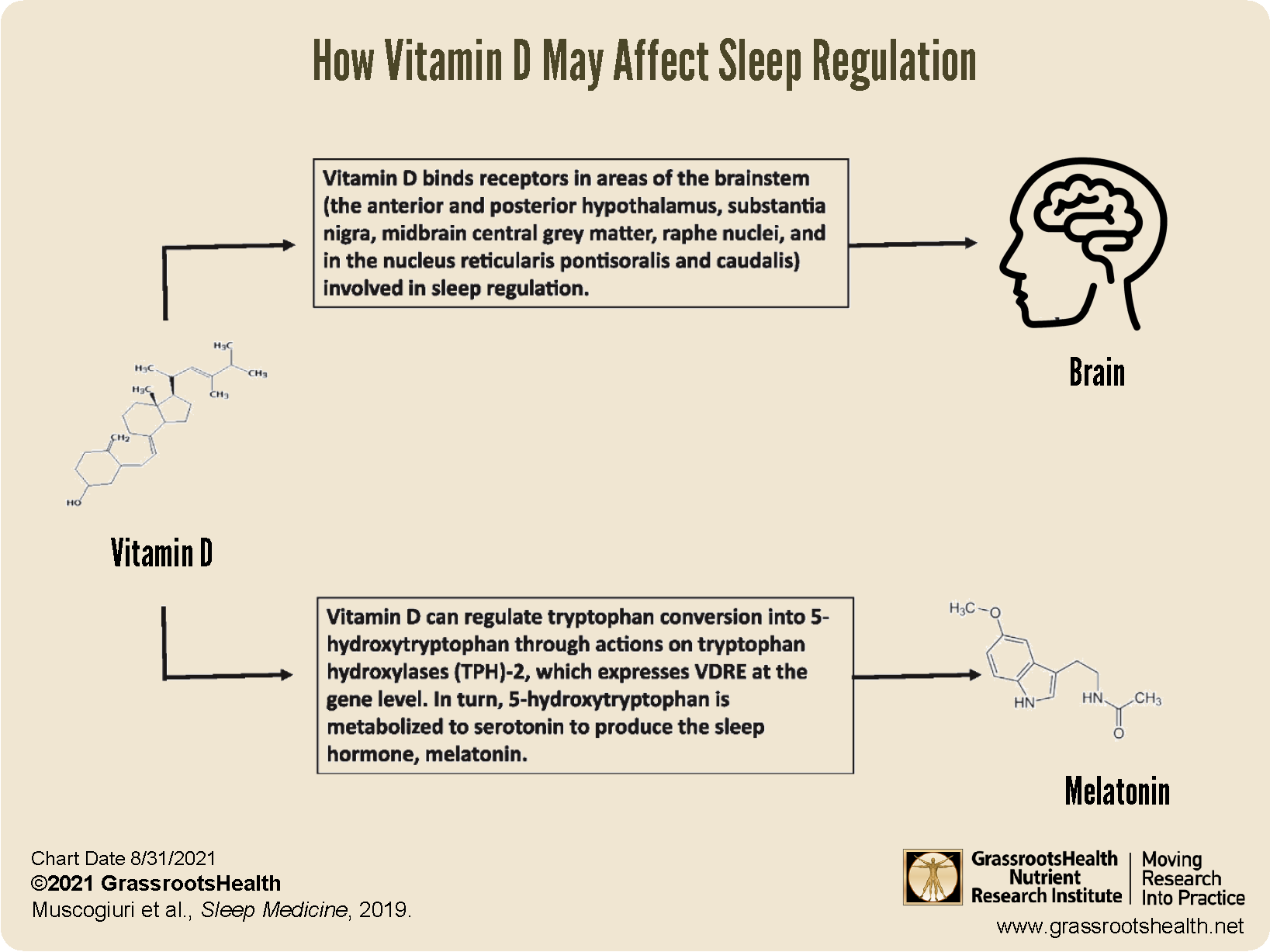
Melatonin is tightly regulated by circadian cues. Vitamin D appears to interact with the pathways that allow night signaling to proceed smoothly. It may influence the expression of proteins involved in the rhythm network and may reduce inflammatory noise that interferes with sleep continuity.
In other words, vitamin D does not simply make you sleepy. It helps create conditions under which the body can interpret darkness correctly. D3 and D2 both can contribute, but if D3 maintains vitamin D status more effectively, it may provide a more dependable background for melatonin rhythm support.
Sleep Architecture: Falling Asleep vs Staying Asleep
Sleep quality is not a single metric. Some people struggle with sleep onset; others experience frequent awakenings; still others find their sleep is shallow even when they remain in bed. Vitamin D’s influence may play out differently across these domains.
If you’re deficient, your body may run on a “stress-tinted” signal profile—higher inflammatory signals and more erratic neurochemical regulation. Correcting deficiency can gradually improve sleep depth and continuity. In that setting, D3’s frequently superior ability to raise and sustain vitamin D levels could translate into steadier sleep maintenance.
However, it’s important to remember that sleep is also affected by magnesium status, iron, thyroid balance, caffeine timing, and exposure to bright light at night. Vitamin D is one piece in a larger mosaic, not the entire picture frame.
Conversion Pathways and Tissue Storage: The Long Game
Vitamin D is metabolized through conversion steps in the liver and then the kidneys, forming circulating forms that influence gene expression. While both D2 and D3 can be metabolized, many discussions in medical nutrition emphasize that D3 tends to produce a more durable effect on serum 25-hydroxyvitamin D.
Durability is the long game for sleep. The brain adjusts slowly to changes in the biochemical environment. If D3 maintains more stable circulating levels, the nervous system can settle into a more consistent “night mode.” That consistency can be felt as fewer disturbances, smoother transitions into deeper sleep stages, and a less frazzled awakening.
Practical Considerations: Dosing, Frequency, and Tolerability
Beyond chemistry, there are practical realities: product availability, dosing schedules, and how your body responds over weeks. Some formulations make it easier to take D3 consistently, including drops, softgels, and fortified options. D2 is also available, sometimes in higher-dose periodic regimens.
If your sleep issues are chronic, an approach that supports ongoing adequacy may be more aligned with your goal than a sporadic correction. Still, if a clinician prescribes a specific D2 dosing protocol for deficiency, that protocol can be effective—especially with monitoring.
The most “sleep-friendly” supplement is often the one you can adhere to reliably, while also aligning with bloodwork targets. Stability beats intensity.
Who Might Benefit More from D3?
D3 may be especially appealing if you have documented low vitamin D levels, limited sun exposure, darker skin pigmentation, or a history of not achieving target levels with supplements. People with malabsorption conditions may also require more careful planning, because how vitamin D enters the body can dictate outcomes.
Nighttime rest is a delicate ecosystem; deficiency can tilt it toward insomnia-like patterns. If D3 helps restore status more efficiently, the sleep gains may arrive with less delay—or at least feel more consistent.
Who Might Choose D2 Instead?
D2 is sometimes selected for dietary preference, sourcing considerations, or specific therapeutic regimens. Some individuals may choose D2 due to vegan-friendly availability in certain products. In other cases, healthcare providers recommend D2 dosing schedules in particular situations.
D2 is not inherently “bad” for sleep. Instead, the key difference often lies in how steadily it supports vitamin D status. With proper dosing and monitoring, D2 can still help many people reach a level where sleep improves.
What Changes You Might Expect: A Timeline for Real Life
Sleep improvements from vitamin D rarely occur overnight. Many people notice subtle shifts within a few weeks once adequacy is restored, while others require a longer adjustment period—particularly if baseline levels were severely low.
Think of it as a recalibration. Early days might bring no obvious benefit, then suddenly the mind feels less “overheated” at bedtime. Later, awakenings might become less frequent, and morning grogginess may soften.

How to Decide: A Decision Framework Instead of a Duel
Rather than treating D3 and D2 like rival champions, it helps to build a decision framework. Start with baseline: if you’re deficient, you’ll likely benefit from correcting it regardless of form. Next, consider how your body responds and whether you can maintain consistent intake.
Then connect it directly to your sleep symptoms. If you want fewer nighttime disruptions and steadier sleep depth, choosing the form that best sustains vitamin D status can be advantageous. If you prefer D2 due to lifestyle factors, you can still pursue sleep improvements—especially if bloodwork confirms that levels are reaching and staying in a healthy range.
Safety Notes: Avoiding Overshooting and Protecting Your Sleep
Vitamin D is fat-soluble, which means excess can accumulate. That’s why monitoring is valuable—particularly for high-dose regimens or when combining supplements from multiple sources. Excess vitamin D can disrupt calcium balance and create discomfort that undermines sleep.
Use dosing guidance responsibly. If sleep problems persist after correcting deficiency and addressing lifestyle factors, it’s worth exploring other causes such as sleep apnea, restless legs, or medication effects. Sleep quality is multi-causal, and vitamin D is one influential contributor.
Bottom Line: Which Is Better for Sleep—D3 or D2?
For many people, D3 is the more compelling choice for sleep quality because it more reliably supports vitamin D status over time, which can stabilize the biological conditions that underpin circadian rhythm and inflammatory regulation. D2 can also help, particularly when dosed appropriately and monitored to ensure adequate serum levels. The best outcome often comes from pairing the right form with consistent dosing, realistic expectations, and—when possible—bloodwork guidance.
If your primary goal is a calmer, more coherent night, D3 usually wins the practical contest. But the decisive factor is whether your vitamin D status becomes truly adequate and stays that way—because the body sleeps best on a foundation of stability.