It can happen quietly: a second dose because the label was misread, a “double-up” during a hectic week, or an overly confident supplement routine that seemed harmless. Vitamin D is fat-soluble, which means it can linger in the body. When too much accumulates, the consequences may arrive like an unwelcome delayed reaction—sometimes hours later, sometimes weeks. If you suspect you’ve accidentally taken an excessive amount, the most important mindset is simple: act promptly, gather clarity, and guide your body back toward balance.
Recognize the Early Signs and Understand Why Symptoms Matter
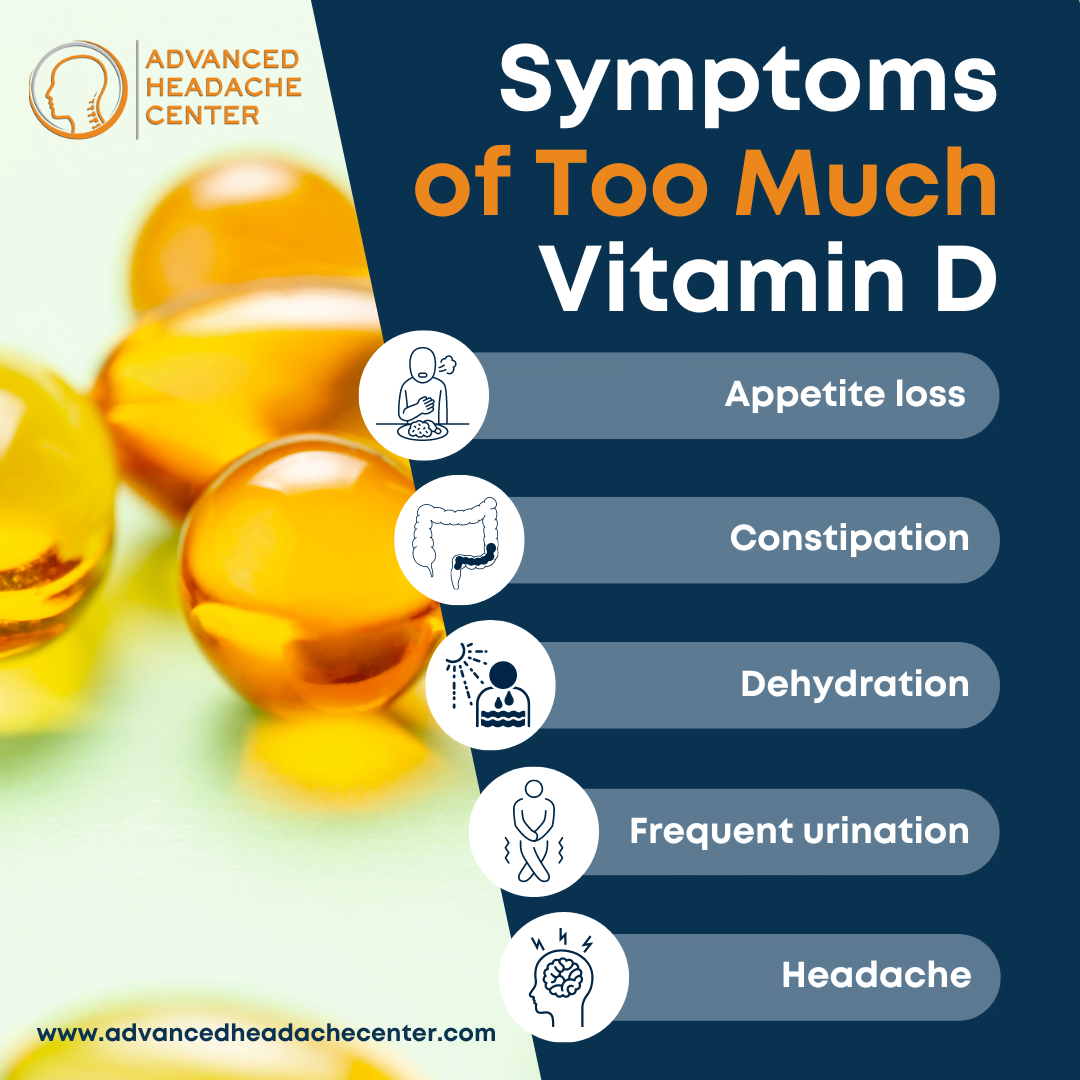
Vitamin D toxicity is often mediated by elevated calcium levels, a state that can disturb nerves, kidneys, and the rhythm of the heart. Early symptoms can be subtle at first, then escalate in intensity. Some people describe nausea, vomiting, constipation, or reduced appetite. Others notice unusual thirst and frequent urination, as the body attempts to offload excess calcium through urine.
As the excess continues, you may experience fatigue, weakness, or confusion. In more pronounced cases, symptoms can include muscle aches, dehydration, or abdominal discomfort. Pay attention to patterns rather than isolated events. One rough day doesn’t always mean toxicity; a cluster of symptoms—especially alongside a plausible dosing mishap—deserves careful evaluation.
Pause the Supplements Immediately and Verify What You Actually Took
The first practical step is to stop taking vitamin D supplements right away. If you also took calcium, cod liver oil, or multivitamins containing vitamin D, consider pausing those as well until medical guidance is obtained. Don’t try to “correct” the situation with counter-supplements. Vitamin and mineral interactions can be unpredictable, and hasty self-experimentation can complicate diagnosis.
Next, confirm dosage details. Locate the supplement bottle and check the labeled amount (often expressed in IU). Determine how many doses you swallowed and on what schedule. Include any additional sources: fortified drinks, gummies, prescription high-dose vitamin D, or compounded formulations. Even a brief timeline—“I took X IU daily for Y days, starting on Z date”—helps clinicians interpret risk quickly.
Write it down. Short sentences work best: date, product strength, number of pills, and whether the intake overlapped with any other supplements.
Assess Urgency: When to Call a Doctor or Seek Emergency Care
Not every accidental overage triggers an emergency, but it’s wise to triage carefully. If you’re having persistent vomiting, severe dehydration, marked confusion, intense weakness, or symptoms that are worsening rather than stabilizing, seek urgent medical care. High-risk individuals—those with kidney disease, a history of kidney stones, hyperparathyroidism, sarcoidosis, or other granulomatous disorders—should be especially cautious and contact a clinician promptly.
If symptoms are mild yet you took a very large dose (particularly if the dose is far above typical daily amounts or repeated), call a healthcare professional for guidance even if you feel “mostly okay.” Toxicity can develop because vitamin D accumulates in fat tissue, then gradually increases calcium levels.
When you contact a clinician, provide the timeline and the exact dosage. A focused answer accelerates decision-making.
What Medical Professionals Typically Evaluate
Expect assessment aimed at the calcium pathway. Blood tests often include serum calcium, 25-hydroxyvitamin D (the main indicator of vitamin D status), and sometimes kidney function such as creatinine and blood urea nitrogen. Urine tests may be considered to gauge calcium excretion.
In certain situations, clinicians may also check parathyroid hormone (PTH) to determine whether your body’s calcium regulation is being bypassed. They may ask about symptoms like constipation, urinary frequency, or unusual thirst, because these correspond to the physiological consequences of hypercalcemia.
There is a practical logic here: measure, interpret, and then choose a course of action based on the severity and timeline.
Hydration and Daily Habits: Support Your Body Without Overcorrecting
If a clinician advises at-home monitoring, hydration becomes a cornerstone. Water intake can help reduce concentration of calcium in the bloodstream. Still, avoid extreme “megadose” hydration that could strain physiology. Aim for steady, reasonable fluid intake, especially if you’re already noticing thirst or frequent urination.
Diet can also matter. While you shouldn’t panic about food, you may be advised to avoid excessive calcium-rich supplements. Consider moderating fortified products during the immediate recovery window. Keep meals simple, and let your gut settle if nausea is present.
Sleep and pacing matter too. Long sentences aren’t always necessary here: rest, monitor, and remain alert to changes.
Medications and Treatments: What Might Be Used in More Serious Cases
When vitamin D overdose leads to clinically significant hypercalcemia, treatment may require more than rest. Medical management may include interventions to lower calcium and address dehydration. Intravenous fluids are often used in more urgent settings to support renal clearance and restore hemodynamic stability.
Depending on severity, clinicians may consider medications such as calcitonin or other agents that reduce calcium levels or slow bone resorption. In some scenarios, glucocorticoids are used, particularly when vitamin D–related mechanisms involve certain inflammatory conditions. The exact approach depends on lab values, symptoms, and medical history.
Even if the idea of medication feels intimidating, it’s important to remember that treatment is typically tailored. The goal is not generic “vitamin removal.” The goal is controlled normalization of calcium and stabilization of organ systems.
Monitoring at Home: What to Track and When to Recheck
At-home monitoring can be surprisingly effective when paired with professional guidance. Track symptoms daily: nausea, appetite, bowel habits, thirst, urination frequency, and overall energy. Note any new dizziness, muscle weakness, or mental fog. Write it down with dates. A simple log can reveal a trend—improving, lingering, or worsening.
If a clinician recommends repeat testing, follow that schedule. Vitamin D levels can remain elevated for a while, and calcium dynamics may change as intake accumulates or as the body clears it. Rechecking labs is how uncertainty turns into clarity.
Remember: symptoms are signals, not proof. Labs provide the map.
Preventing Future Mishaps: Build a Safer Vitamin D Routine
Prevention begins with systems, not willpower. Use one “designated” vitamin D source and avoid stacking products unintentionally. Many people unknowingly duplicate doses through multivitamins and separate supplements. A weekly pill organizer can help, as can storing vitamin D in a single, clearly labeled location.
Consider adding a reminder system to prevent accidental doubling—especially around weekends or travel. If you’re prescribed vitamin D, keep a record of the planned schedule. Ask your clinician whether you need periodic blood tests to confirm dosing remains appropriate.

Common Myths That Can Delay Helpful Action
One myth is that “a little extra” automatically self-corrects. Vitamin D can accumulate. Another misconception is that stopping symptoms means the problem is over. Calcium imbalances can persist even after you feel better. A third myth suggests that taking vitamin D “with water” makes overdose impossible; absorption and storage depend on fat-soluble behavior rather than a single hydration moment.
Also, avoid the instinct to “detox” with harsh regimens. There’s no useful shortcut that replaces medical evaluation when toxicity is plausible. Focus on measured steps: stop the supplement, verify the dose, contact a professional, and follow recommended testing.
What to Do Right Now: A Clear Step-by-Step Plan
Start with a simple sequence. First, stop taking vitamin D and any overlapping products. Second, gather the label and compute the exact total dose taken, including time span. Third, evaluate symptoms: are they mild and stable, or escalating and concerning? Fourth, contact a clinician or urgent care if the dose was substantial, symptoms are present, or you have kidney-related risk factors.
Finally, if you receive guidance for home care, hydrate steadily, monitor symptoms, and follow lab rechecks. This is not just caution—it’s choreography. Your actions today shape how quickly your body returns to equilibrium.
Accidentally taking too much vitamin D can feel alarming, but it’s also manageable with timely decisions. Clarity beats guesswork. Lab work beats assumptions. And a calm, methodical approach helps you move from uncertainty toward safe recovery.