In the modern weight-loss landscape, two headlines seem to compete for attention: the promise of weight loss drugs and the unsettling possibility of vitamin D toxicity. Yet beneath the chatter lies a quieter truth—there is no direct interaction between most commonly discussed weight loss medications and vitamin D toxicity pathways. Still, “no direct interaction” is not the same as “no need for discernment.” Like two rivers flowing through the same valley, their effects may not collide, but the landscape you build between them—dose patterns, timing habits, and lab monitoring—can shape the outcome.
Two Roads, One Destination: Understanding the “No Direct Interaction” Idea
When people hear “no direct interaction,” they often imagine a clean, frictionless universe where risks vanish. Real life is more metaphorical. Think of vitamin D toxicity as a slow-rolling storm system. Weight loss drugs are different weather patterns—wind direction changes appetite, digestion, or glucose handling. They may share the same calendar, but they don’t necessarily share the same mechanism.
Most weight loss drugs target metabolic and appetite-related pathways. Vitamin D toxicity, by contrast, tends to emerge from excessive vitamin D intake leading to elevated calcium levels and downstream effects on kidneys and tissues. Because these mechanisms typically live in different biological neighborhoods, a direct biochemical handshake is uncommon.
This does not mean vitamin D is irrelevant. It means the risk is more about the arithmetic of supplementation and the body’s capacity for handling calcium—not about the weight loss medication “interacting” with vitamin D in a predictable way.
Vitamin D Toxicity: The “Calcium Overdrive” Plot Twist
Vitamin D is often described as a helpful conductor of calcium and phosphorus. But too much conductor can turn an orchestra into noise. Excess vitamin D can tip the scales toward hypercalcemia—elevated calcium in the blood—followed by a chain reaction that can leave the body feeling increasingly unlike itself.
Early warning signs can be vague: fatigue that feels disproportionate, nausea, constipation, increased thirst, and frequent urination. Some people experience confusion or muscle weakness. Others notice that their kidneys seem to work harder than before. In more severe situations, calcium can deposit where it shouldn’t, acting like stubborn grit inside delicate machinery.
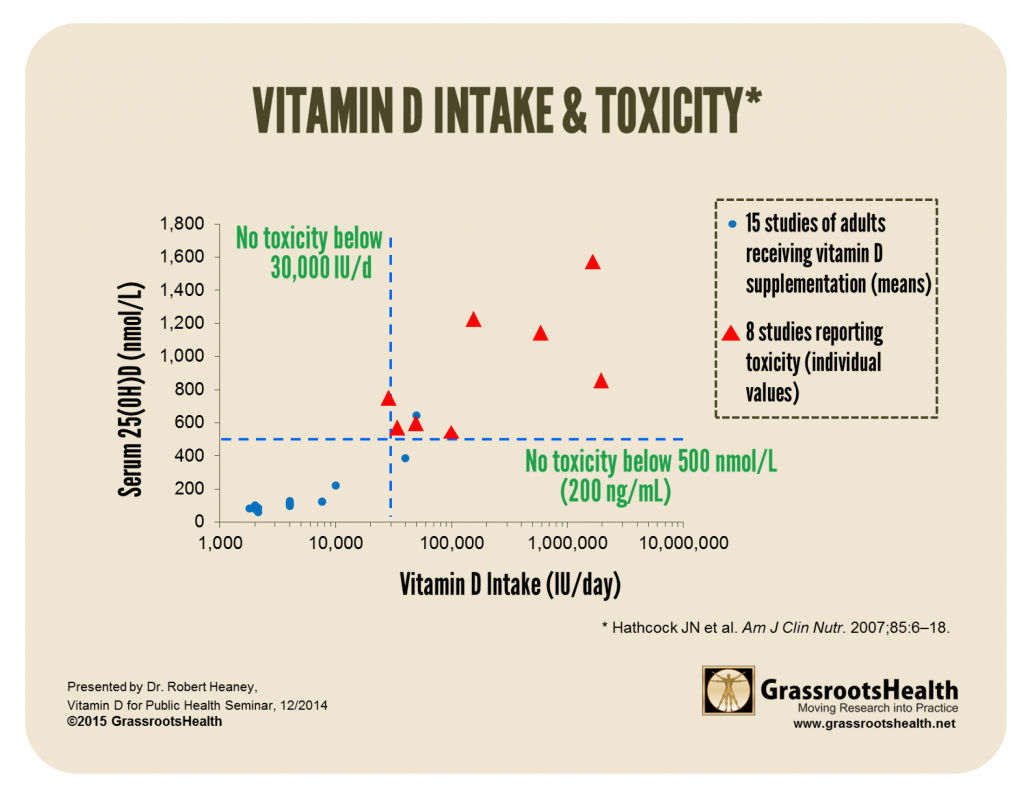
The crucial nuance: toxicity risk is not merely “high vitamin D.” It’s the total exposure over time—dose, duration, individual sensitivity, and how the body metabolizes and clears vitamin D metabolites.

How Weight Loss Drugs Change the Stage—Without Directly Mixing Mechanisms
Weight loss drugs can indirectly influence vitamin-related risk in a manner that feels like stage lighting rather than molecular interaction. For example, altered appetite can change supplement adherence. Some people stop taking supplements during travel, then restart aggressively when routines return. Others may unintentionally “stack” products—vitamin D included—because they’re trying to optimize results.
Some weight-loss medications can affect gastrointestinal patterns—how quickly food moves, how nutrients are absorbed, and how side effects reshape daily behavior. That can indirectly alter the consistency of vitamin intake. Still, the core vitamin D toxicity mechanism—vitamin D–driven calcium elevation—does not usually require the presence of a particular weight loss drug to occur.
In other words, the drugs may change the choreography, but toxicity still depends on the vitamin D dose equation and monitoring habits.
The Hidden Culprit: Dose Escalation and “Stacking Syndrome”
One of the most intriguing modern behaviors is escalation. A person begins with a reasonable dose, then adds “a little more” after reading a headline. A multivitamin appears. A separate vitamin D supplement is purchased. A “bone support” product joins the lineup. Soon, the label arithmetic becomes a labyrinth.
This is where toxicity risk can grow—even if the weight loss drug is doing exactly what it’s meant to do. Vitamin D is fat-soluble, meaning it can linger. So the body may accumulate it quietly, like snow collecting on a roof until the weight becomes impossible to ignore.
Stacking can happen without malice. It happens because supplement culture often treats every pill as isolated. In reality, nutrient totals behave like overlapping echoes. The combined sound can be much louder than any one source alone.
Why Lab Tests Matter: The “Reality Check” Beyond Feelings
Symptoms are a poor compass. They can resemble routine discomfort from weight loss efforts: nausea, constipation, dehydration cues, and general fatigue. That is why lab monitoring is the reality check.
Clinicians may evaluate vitamin D status using serum 25-hydroxyvitamin D, while calcium levels help determine whether excess intake has crossed into physiological disruption. Sometimes additional tests—such as kidney function markers—are used to understand how the body is coping with calcium load.
Timing matters, too. Testing after months of supplementation may reveal accumulation patterns. Testing too early can miss the slow burn. The objective is not fear—it’s precision.
Who Might Be More Susceptible to Toxicity?
Not everyone carries the same risk load. Some people have genetic variations in vitamin D metabolism. Others have underlying conditions that alter calcium regulation. Certain health contexts can also heighten sensitivity, meaning the same dose may be tolerated by one person and problematic for another.
Dietary patterns matter. People who already consume vitamin D–fortified foods or frequently use high-dose products may inadvertently raise their total intake. Lifestyle factors can also contribute: reduced sun exposure doesn’t automatically require escalation, and high sun exposure doesn’t automatically guarantee safety.
Even body composition can influence how vitamin D behaves. Because it’s fat-soluble, distribution can vary. This is why “standard dosing” can never be a universal promise.
Practical Safety Strategy: How to Use Weight Loss Drugs and Vitamin D Wisely (Even Without Direct Interaction)
Start with totals, not intentions. Add up all sources of vitamin D—supplements, multivitamins, and fortified products. Then compare that with an individualized target recommended by a qualified professional based on baseline labs and goals.
If you’re using a weight loss drug, keep a consistent supplement routine rather than “bursting” doses around milestones. Consistency prevents accidental overcorrection. Consider spacing supplements away from the medication schedule if your clinician recommends it for absorption or side effect management, though the absence of direct interaction does not eliminate the value of practical organization.
Finally, treat laboratory monitoring as part of the program, not an afterthought. It’s like installing a dashboard for a journey—useful even when the road looks familiar.
Signs to Take Seriously: When Caution Should Become Action
Vitamin D toxicity is not a theoretical boogeyman. It can present with symptoms that warrant evaluation, especially if they persist or worsen despite reducing supplement intake. Watch for patterns: escalating thirst, frequent urination, persistent gastrointestinal changes, unusual fatigue, muscle weakness, or confusion.
If these appear while taking vitamin D at moderate-to-high levels—particularly after prolonged use—seeking medical guidance is prudent. Early action can prevent the cascade from escalating to more severe calcium complications.
Myth vs. Reality: Debunking the “More Always Means Better” Narrative
Supplements can become a motivational artifact. People want the feeling of control, and vitamin D often carries a halo of “healthy necessity.” But biology doesn’t reward optimism; it rewards balance.
Vitamin D is helpful within a therapeutic range. Beyond that, it can turn from a stabilizing force into a disruptive one. Weight loss drugs may help you reduce body weight, but they are not a substitute for nutrient planning. They also are not a shield against toxicity risk arising from excessive vitamin D intake.
The reality is a kind of elegant constraint: effective weight management still requires respectful attention to nutrient totals and monitoring.

The Unique Appeal of Knowing the Separation: Freedom to Plan, Not Panic
The most compelling part of the “no direct interaction” message isn’t permission to ignore precautions. It’s permission to plan intelligently. When mechanisms are separated, you can build a program with clearer logic: use weight loss medication according to medical guidance, manage vitamin D intake based on verified needs, and use labs to keep the system calibrated.
This approach reduces anxiety. It transforms uncertainty into structure. And it gives the body what it actually wants—steady input within a safe boundary, rather than the rollercoaster of guesswork.
A Balanced Closing: The Metaphor of Two Lanterns
Imagine two lanterns lit in the same room. One lantern represents weight loss drugs—brightening appetite and metabolic pathways. The other represents vitamin D—helping maintain calcium balance and bone-related functions. They can both illuminate your path. But if the vitamin D lantern is cranked too high, the room can become uncomfortably hot, regardless of how well the weight loss lantern is performing.
So the goal is not fear. It’s choreography: correct dosage, thoughtful timing, and honest monitoring. With that, you can pursue weight loss with confidence while respecting the quiet, powerful chemistry of vitamin D.