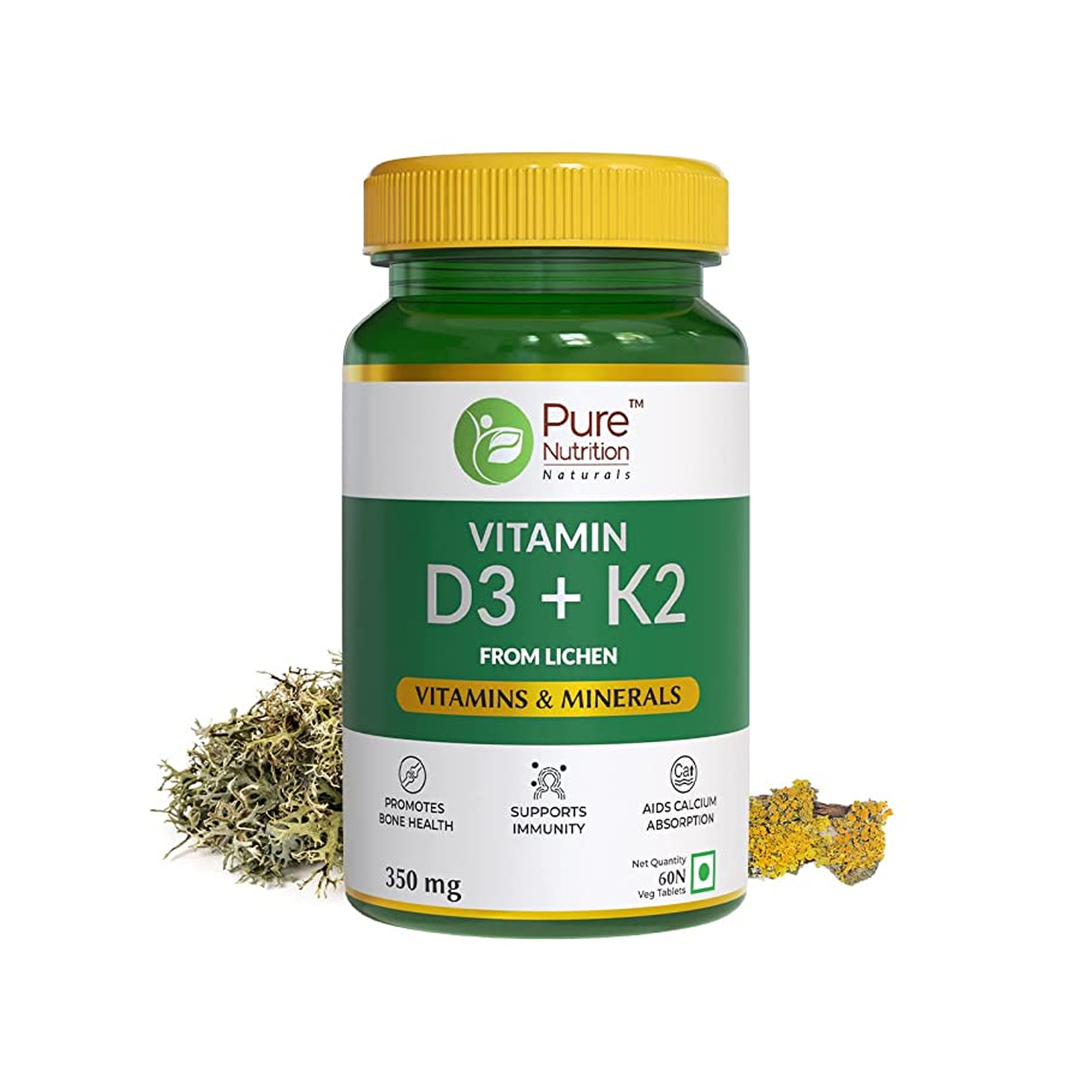
There’s a quiet moment most people recognize: you look in the mirror and notice that the skin doesn’t “bounce back” the way it used to. It isn’t just about dryness or a few fine lines—it’s the subtle shift in elasticity, the slow loss of that supple, spring-loaded feel. Many factors contribute, yet two nutrients have become increasingly compelling in the conversation around anti-aging: Vitamin D3 and Vitamin K2. Together, they don’t merely support general health. They participate in the skin’s deeper architecture, the kind of groundwork you don’t see at first glance, but feel every day.
Elasticity: the skin’s hidden engineering
Elasticity isn’t a cosmetic trick. It’s a mechanical property, powered by dermal proteins like collagen and elastin, plus the extracellular matrix that surrounds them. Think of the dermis as a finely woven fabric: collagen provides tensile strength while elastin lends stretch and snap. When elasticity declines, the fabric begins to lose its “recoil” after pressure—like fabric that’s been stretched too often and never fully resets.
Common observation often centers on visible symptoms: reduced firmness, crepiness, and the way light catches on the skin. But beneath that surface, more nuanced changes can occur—altered turnover, disrupted signaling, and a microenvironment that becomes less supportive of regenerative processes. It’s not surprising that people become fascinated by nutrients that may influence these underlying pathways rather than only masking outcomes.
The fascinating connection: D3 and K2 as a dynamic duo
Vitamin D3 is frequently discussed for immune function and bone health, yet it also behaves like a hormone-like regulator. It communicates with cells through receptors that help orchestrate gene expression. In other words, it’s not simply “a vitamin you take.” It’s a molecular messenger that can influence how tissues behave.
Vitamin K2, on the other hand, is a specialist in activation—particularly activation processes related to proteins that require chemical finishing steps to function correctly. The synergy between D3 and K2 is where intrigue tends to deepen. D3 helps establish biological conditions that support broader mineral-related and cellular functions, while K2 helps certain proteins operate at full capacity. When both are present, the body is more likely to handle “infrastructure tasks” efficiently.
This tandem quality is one reason fascination lingers: the story isn’t one nutrient working in isolation; it’s two nutrients moving in partnership, as if they’re coordinating different parts of a larger workflow.
Skin aging isn’t one problem—it’s many processes in concert
Anti-aging conversations often become reductionist. Fine lines are blamed on dryness. Sagging is blamed on time. Yet skin aging is more like a committee decision: multiple processes contribute at once. Oxidative stress can erode cellular defenses. Glycation can stiffen tissues and alter how collagen behaves. Inflammation can change signaling pathways, while UV exposure remains a major catalyst for photoaging.
Even when people don’t realize it, they often sense this complexity. They try a routine that targets one concern and notice partial improvement—then plateau. That experience hints at a deeper truth: a “single lever” skincare approach rarely addresses the entire machinery. Nutrient support, particularly through pathways connected to skin structure and cellular regulation, can feel like adding missing pieces to a puzzle.
How Vitamin D3 may support the dermal environment
Vitamin D3 helps modulate cellular communication. In the skin, that matters because the dermis and epidermis are constantly negotiating repair, renewal, and protective responses. A well-regulated environment can influence how quickly damaged cells are replaced, how barriers behave, and how inflammatory signals are tuned.
There’s also a less obvious angle: Vitamin D3’s involvement in immune regulation may indirectly affect skin aging. When inflammatory responses run hot or linger too long, tissues can degrade faster. People might notice they feel “more comfortable” on certain nutrient patterns—less reactive, less prone to flare-ups. While skin sensation isn’t identical to elasticity, it can be part of the same ecosystem.
When D3 status is suboptimal, the skin’s regulatory signaling may become less efficient. Over time, that can contribute to a less resilient dermal microenvironment—exactly the kind of background that elasticity depends on.
How Vitamin K2 may influence collagen function and structural integrity
Vitamin K2 is widely recognized for its role in activating proteins that require vitamin K-dependent processes. One reason it has become a “dermally relevant” nutrient in many circles is that certain activated proteins contribute to maintaining tissue mineralization patterns and structural stability. When proteins work correctly, the body is better able to manage the balance between softness and stiffness in tissues.
Elasticity can be affected when dermal structure shifts—when collagen is less effectively organized, when the matrix becomes less supportive, or when the body’s maintenance schedule falters. By enabling proteins to function as intended, Vitamin K2 may help keep the skin’s scaffold more cooperative.
In practical terms, enthusiasts often describe a subtle improvement in how skin feels: less slackness, a more “alive” texture, and sometimes a smoother look that isn’t only cosmetic—it’s tied to structure and hydration interplay.
Photoaging, collagen loss, and the “sun debt” effect
Sun exposure can accelerate aging. UV rays generate oxidative stress and can directly influence collagen breakdown. The result is a mix of collagen degradation and altered repair. Even with diligent sunscreen use, past exposure can contribute to cumulative changes.
When people first explore D3 and K2, it’s often because they’re searching for a deeper form of support—something that complements topical care rather than replacing it. Nutrients involved in cellular regulation and protein activation can be perceived as “internal maintenance” that runs alongside antioxidant routines and photoprotection.
Still, the smartest approach treats supplementation as supportive, not substitutive. The skin’s major protective lever remains: consistent sun protection, gentle skincare, and lifestyle factors that reduce oxidative load.
Blood levels, deficiency, and why supplementation can feel personal
A common misconception is that everyone needs the same dose of the same supplement. In reality, baseline nutrient status varies dramatically. Skin elasticity concerns often become more noticeable at times when the body is under extra stress—seasonal shifts, limited sun exposure, dietary changes, or shifts in body composition.
When Vitamin D3 levels are low, the body may not produce enough of the hormone-like signaling that supports broad cellular communication. When Vitamin K2 intake is low, the body may have less substrate available for protein activation processes. In both cases, the “biological background” becomes less favorable for the kind of maintenance skin requires.
This is why supplementation can feel surprisingly personal. Two people may follow the same skincare routine; one sees firmer results, the other sees little change. The deeper reason may be that nutrient status determines whether the body has adequate tools to support repair and structural stability.
Form choices: softgels, capsules, and what to look for
Many products combine D3 and K2 in a single formula, often in softgels or capsules. Form matters because it influences absorption and ease of adherence. Softgels can be convenient and may support fat-soluble nutrient uptake, especially when taken with meals.
Look for clarity on the nutrient forms and dosages. Vitamin D3 is typically listed as D3 (often in IU). Vitamin K2 may appear as MK-7 or MK-4; MK-7 is commonly used because of its stability and practical half-life characteristics. Beyond the label, consistency is the quiet hero. A supplement that’s taken reliably is more likely to support long-term skin maintenance than an irregular regimen.

Pairing nutrients with lifestyle: sleep, protein, and oxidative balance
Even the most elegant nutrient duo can’t outcompete lifestyle fundamentals. Collagen is built from amino acids, and the body requires adequate protein and supportive micronutrients to maintain tissue. Sleep is another major variable. During rest, repair processes run more effectively, and inflammation can be better regulated.
Antioxidant support also matters. Rather than chasing trends, consider an overall pattern: colorful fruits and vegetables, omega-3-rich foods, hydration, and regular movement. This doesn’t have to be elaborate. Consistency beats intensity.
There’s also an “oxidative balance” rhythm. When oxidative stress is high—through smoking, chronic stress, poor diet quality, or excessive sun exposure—skin can age faster. Nutrients like D3 and K2 may help the body run its repair system more smoothly, but the environment still shapes outcomes.
Timeline expectations and realistic anti-aging signals
Skin changes aren’t instant. Elasticity involves structural proteins and matrix remodeling, processes that take time. People may notice early changes in comfort, texture, or dryness within weeks. More meaningful shifts in firmness and recoil often take longer.
Helpful indicators include how skin behaves when stretched gently, how it looks under consistent lighting, and whether it appears smoother without aggressive exfoliation. Still, it’s wise to set expectations realistically. Anti-aging isn’t reversal; it’s resilience. The goal is supporting the skin’s capacity to maintain and repair.
Safety considerations and smart personalization
Supplementation should be thoughtful. Vitamin D3 is generally safe within reasonable ranges, but higher doses may be inappropriate depending on health status. Vitamin K2 can interact with certain medications, particularly anticoagulants. Because individual circumstances differ, consulting a healthcare professional is a prudent step—especially if there are existing conditions or medications involved.
Personalization is the difference between guessing and designing. A simple approach—reviewing current diet, sun exposure, and any relevant lab values—can transform supplementation from a random experiment into a more strategic support system for skin elasticity and long-term anti-aging goals.
Why the fascination persists
The fascination with Vitamin D3 + K2 continues because it addresses a wish people rarely articulate directly: not just to look younger, but to have skin that functions better. The allure is the promise of upstream support—helping the body maintain structure, tune signaling, and activate proteins that contribute to the skin’s connective framework.
When elasticity declines, it can feel like the skin is betraying time. But with a nutrient-aware approach—balanced supplementation, photoprotection, adequate protein, and consistent hydration—the skin can be treated less like a passive surface and more like an active organ with a maintenance schedule.
In the end, the deeper reason this combo captures attention is simple: it offers a narrative of partnership between nutrients and biology. Not magic. Not instant results. Just a coherent, system-based way to support the elastic, resilient skin you want to keep.