Pregnancy is a season of remarkable biological recalibration. Among the nutrients that quietly orchestrate this transformation, vitamin D stands out for its influence on bones, immunity, and cellular signaling. Yet vitamin D is also unusual: it can be obtained from sunlight and diet, but its adequacy during pregnancy is not guaranteed. As 2025 brings renewed clinical scrutiny, many expectant parents ask the same questions—how much vitamin D is needed, what benefits it truly provides, and what risks appear when dosing drifts too high.
Why Vitamin D Matters During Pregnancy
Vitamin D behaves less like a simple vitamin and more like a hormone precursor. After activation in the body, it contributes to calcium homeostasis, which supports fetal skeletal development. But its role does not end at bone mineralization. Vitamin D receptors appear in diverse tissues, suggesting involvement in immune modulation, inflammatory tone, and possibly pregnancy-related complications. Short of dramatic symptoms, vitamin D deficiency can be stealthy. A person may feel “fine,” while biochemical markers reveal a less-than-ideal status.
In pregnancy, the demand for calcium increases, and maternal physiology adapts to ensure calcium availability for the developing fetus. Vitamin D is the key that unlocks efficient calcium absorption in the gut. When vitamin D is inadequate, the body compensates—sometimes at the expense of maternal bone density—creating a quiet tug-of-war between maternal stores and fetal needs.
Common Causes of Low Vitamin D in Expectant Parents
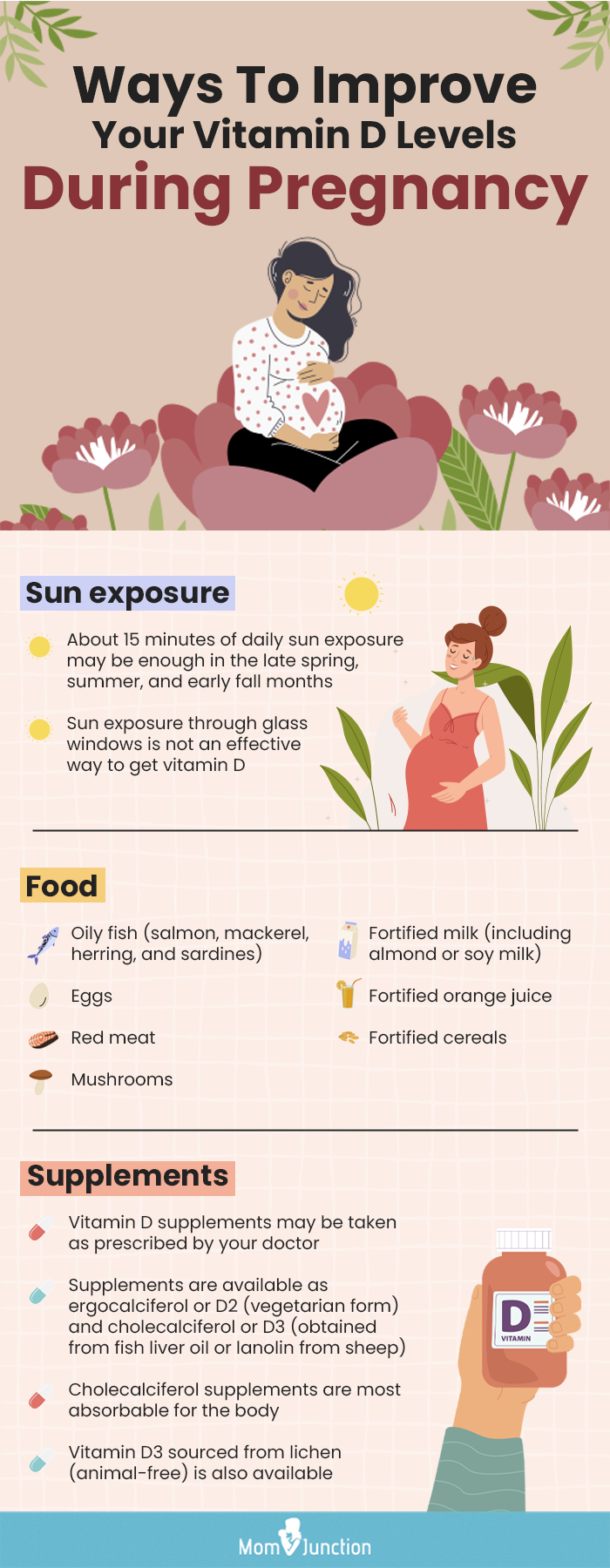
Low vitamin D can arise from multiple pathways. Reduced sun exposure is the most well-known culprit, particularly in regions with limited sunlight during parts of the year. Skin pigmentation influences vitamin D synthesis capacity. Lifestyle factors also play a role: indoor work, clothing that limits skin exposure, sunscreen use without adequate sunlight time, and geographical location can all contribute.
Dietary intake varies widely. Even diets that include fortified foods may not provide enough vitamin D consistently. Additionally, body composition can influence vitamin D bioavailability. Adipose tissue may sequester vitamin D, leading to lower circulating levels despite adequate intake.
It’s important to remember that symptoms are unreliable. Deficiency may present as nonspecific fatigue, aches, or muscle weakness—signals that can overlap with normal pregnancy discomfort. That overlap is why measurement and individualized guidance often matter more than guesswork.
How Vitamin D Is Measured: Levels, Markers, and Interpretation
Clinicians typically evaluate vitamin D status using a blood test for 25-hydroxyvitamin D. This marker reflects vitamin D stores better than other forms. But the interpretation of results can be nuanced. Different clinical guidelines use varying cutoffs for insufficiency and deficiency. In pregnancy, clinicians often consider not only the measured level, but also risk factors such as limited sun exposure, darker skin, higher body mass index, dietary patterns, and history of bone disorders.
A single test may not tell the whole story if it was performed at a time when sunlight exposure is unusual. Some people may need follow-up testing after a period of supplementation. The aim is not to “chase a number” for its own sake—it is to reach a physiologically useful range that supports calcium balance while avoiding excess.
Recommended Dosage in 2025: General Ranges and Individualization
Dosage during pregnancy is best approached with flexibility. Many prenatal regimens contain some vitamin D, but the amount can be modest. Depending on baseline vitamin D levels and risk factors, clinicians may recommend additional supplementation. In 2025, a common approach is to tailor dosing based on measured deficiency versus insufficiency, and to monitor if higher doses are used.
Lower-dose strategies may be used when vitamin D is near adequate. Higher-dose regimens may be considered when deficiency is confirmed. The key principle is gradual correction and careful ceiling avoidance. More is not always better—especially because vitamin D is fat-soluble, meaning it can accumulate.
Some practitioners choose a maintenance plan after normalization. Others adjust dosing across trimesters, reflecting changes in physiology and dietary habits. Whatever the plan, adherence matters. Vitamin D supplements can be more effective when taken consistently, often with meals that include fat, which can enhance absorption.
Forms of Vitamin D: D2 vs D3 and Why It Can Matter
Vitamin D comes primarily as vitamin D2 (ergocalciferol) and vitamin D3 (cholecalciferol). Both can increase circulating vitamin D, yet many clinicians prefer D3 for its stability and efficacy in raising blood levels. The “active” chemistry happens later in the body, but the starting form influences how reliably levels rise.
In practice, the choice may also depend on product availability and patient tolerability. Capsules, liquid drops, chewables, and fortified foods all represent different delivery methods. A person with nausea or difficulty swallowing may benefit from a format that feels easier to take consistently.
When discussing dosage, it’s also helpful to pay attention to the unit labeling. Some labels list vitamin D in international units (IU), while others may use micrograms. Confusion here can lead to underdosing or unintentional overdosing—an avoidable hazard.
Benefits: The Pathways to Stronger Maternal and Fetal Outcomes
When vitamin D is adequate, several benefits become more plausible. For the fetus, adequate vitamin D supports skeletal formation through calcium and phosphate metabolism. For the mother, vitamin D helps maintain calcium balance and may reduce the tendency toward bone demineralization during pregnancy.
Beyond bones, vitamin D participates in immune regulation. Pregnancy requires a delicate immunological balance: the immune system must tolerate the fetus while remaining capable of defending against infection. Vitamin D’s influence on inflammatory signaling pathways has led to interest in associations with certain pregnancy outcomes.
Some expectant parents seek vitamin D for general “wellness,” such as reducing musculoskeletal discomfort. Others focus on laboratory targets. Both perspectives can be reasonable when guided properly. The most important nuance is that vitamin D supplementation is not a cure-all; it supports specific physiological processes, and its benefits are strongest when deficiency is corrected.
Risks of Overdosing: Hypercalcemia and Its Consequences
Vitamin D excess is uncommon when dosing remains within clinically recommended boundaries, but it is not impossible. Overconsumption can raise blood calcium levels, a condition known as hypercalcemia. This can trigger symptoms such as nausea, constipation, excessive thirst, frequent urination, confusion, and in severe cases, kidney complications.
During pregnancy, protecting maternal kidneys and maintaining stable electrolyte balance is especially important. Calcium too high can interfere with normal physiological function and may create downstream risks. In addition, overly aggressive supplementation can lead to vitamin D accumulation in tissues, extending the time until correction occurs.
Risk increases with chronic high-dose intake, especially when multiple products are combined—prenatal vitamins plus separate vitamin D supplements plus fortified foods that are already vitamin-D heavy. The most reliable prevention strategy is an inventory: understanding everything being taken and aligning it with a clinician-guided dose plan.
Who Should Be Extra Careful: Higher-Risk Profiles
Some people should treat vitamin D dosing with extra vigilance. Those with a history of kidney stones, kidney disease, hyperparathyroidism, granulomatous disorders, or conditions that affect calcium metabolism may require careful evaluation before supplementation. Individuals taking certain medications—such as some anticonvulsants or corticosteroids—may experience altered vitamin D metabolism.
Higher body mass index can reduce vitamin D bioavailability, sometimes leading clinicians to prescribe more than standard prenatal doses. However, “more” should be calculated, not guessed. The objective is to reach adequacy without stepping into toxicity territory.
People with limited access to follow-up testing may benefit from conservative initiation and monitoring when possible. Short-term correction and measurement can be safer than indefinite high-dose maintenance without lab reassessment.
Sunlight, Lifestyle, and the Myth of “Natural Safety”
Sun exposure is often considered effortless and harmless, yet it is neither consistent nor risk-free. Cloud cover, seasonal variation, latitude, and skin coverage all affect vitamin D synthesis. Meanwhile, excessive ultraviolet exposure increases the risk of skin damage and malignancy—concerns that are especially relevant when pregnancy may heighten sensitivity in some individuals.
Many people find a middle path: gentle, plausible sunlight exposure when safe, combined with dietary support and supplementation as needed. This approach recognizes that vitamin D biology is probabilistic. Diet and supplements reduce uncertainty; sunlight adds a variable boost.
Harmonizing lifestyle choices with a supplement plan can be a more stable strategy than relying on sun alone—especially during months when daylight is less abundant.
What Readers Can Expect in a 2025 “Vitamin D in Pregnancy” Content Journey
In 2025, credible content often spans several formats. Expect educational guides that translate lab results into plain language. Look for dosage calculators or example dosing pathways that illustrate how clinicians may respond to deficiency versus insufficiency. Many articles also include checklists—what to ask at appointments, what to review on supplement labels, and when re-testing is typically considered.
You may also find evidence summaries that discuss associations with outcomes, presented with an appropriate level of caution. Some readers prefer “myth vs fact” sections that challenge assumptions like “more vitamin D always means better results.” Others gravitate toward narrative case vignettes that show decision-making over time—how a person starts at a certain level, adjusts dosing, and follows up.
Finally, modern content increasingly includes practical dosing guidance: how to take vitamin D with food, how to avoid overlapping products, and how to recognize warning symptoms of excess. When information is delivered thoughtfully across these formats, readers can make decisions with clarity rather than anxiety.
Practical Takeaways and a Safer Next Step
Vitamin D in pregnancy is best understood as a balancing act: support maternal calcium metabolism and fetal development while avoiding excessive accumulation. Adequate dosing can be beneficial, particularly when deficiency is present. But risk is real when dosing becomes unsupervised or unnecessarily high.
If you’re pregnant—or planning pregnancy—consider discussing vitamin D testing and an individualized supplementation plan with a qualified healthcare professional. Review the full list of supplements you take, check unit labels, and ask whether follow-up labs are appropriate. A thoughtful plan turns vitamin D from a vague wellness concept into a precise tool for healthy pregnancy physiology.