Vitamin D is one of those nutrients that quietly orchestrates several critical systems at once. For women over 50, its influence becomes especially noticeable—supporting bones when remodeling slows, nurturing cardiovascular resilience, and buffering the brain against age-related cognitive drift. Think of vitamin D as a backstage conductor: you may not see the performance, but the music changes when the conductor is missing.
Vitamin D in the Aging Body: Why Over 50 Needs a Second Look
After menopause, many women experience changes that affect calcium handling, bone turnover, and inflammatory signaling. Vitamin D is central to this story because it helps regulate calcium absorption in the gut and modulates the immune system. As you age, the skin’s ability to manufacture vitamin D from sunlight can decline. The kidneys also become less efficient at converting precursor forms into the active hormone-like form your body can use.
It’s also common for vitamin D levels to slide due to lifestyle patterns: more time indoors, sunscreen habits (often wise, sometimes over-applied), seasonal variations, and dietary constraints. The result can be a subtle but significant deficiency that doesn’t always announce itself with obvious symptoms—until fractures, fatigue, or muscle weakness begin to surface.
Bone Health: The Architecture Behind Strength
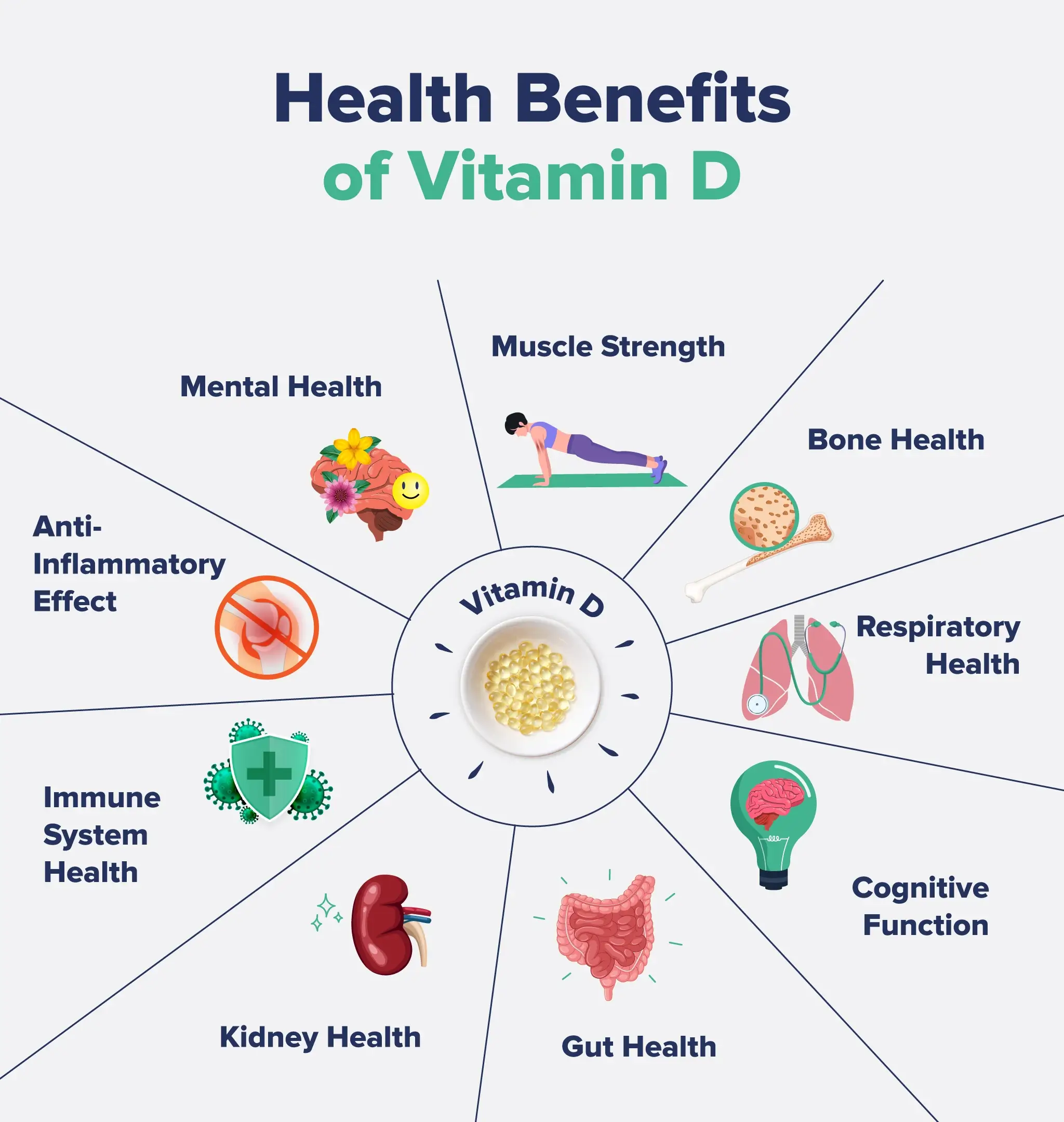
Bone is not inert material; it’s living scaffolding. Vitamin D helps maintain the biochemical environment needed for healthy bone mineralization. When vitamin D is insufficient, calcium absorption wanes, parathyroid hormone may rise, and bone breakdown can accelerate. This is one reason vitamin D is frequently discussed in the same breath as osteoporosis, osteopenia, and fall prevention.
Women over 50 are particularly vulnerable because estrogen decline reduces the protective influence that helps slow bone resorption. Vitamin D doesn’t replace estrogen’s role, but it can support the downstream processes that keep bones dense and resilient.
Practical nuance matters here. Adequate vitamin D works best alongside sufficient calcium intake and resistance-based exercise. Weight-bearing movement sends signals to bone cells; nutrition provides the minerals and hormonal signals to respond. Short sentences, big impact: bones need both stimulus and building materials.
Heart Health: A Hormone-Like Nutrient With Systemic Effects
Vitamin D’s relationship with cardiovascular health is complex, but its influence is increasingly recognized. Vitamin D receptors exist throughout the body, including in vascular tissue and immune cells. This matters because chronic inflammation, endothelial dysfunction, and metabolic shifts are all intertwined with aging and heart disease risk.
When vitamin D levels are low, the body may experience a higher inflammatory tone and altered signaling that affects blood vessels. Some research suggests an association between inadequate vitamin D and higher risk markers for cardiovascular disease, though results vary across populations. Still, the mechanistic logic is compelling: vitamin D contributes to immune regulation, supports cellular differentiation, and may help modulate renin activity—an element connected to blood pressure regulation.
Rather than viewing vitamin D as a standalone “heart supplement,” consider it a supportive element within a cardiometabolic strategy. That strategy usually includes physical activity, fiber-rich nutrition, healthy lipids, and good blood pressure habits. Vitamin D can be the stabilizing variable in a broader equation.
Brain and Cognition: Protecting the Neural Ecosystem
Your brain is a high-energy organ, dependent on intricate signaling pathways and careful nutrient balance. Vitamin D appears to participate in neuroimmune communication, neuronal growth, and the regulation of neurotransmitter systems. It also interacts with oxidative stress pathways, which become more prominent with age.
In women over 50, cognitive change can involve multiple dimensions—memory speed, attention stamina, and the ability to retrieve information efficiently. Vitamin D may not act like a “cognition switch,” but it can influence the environment neurons require to function optimally. Low vitamin D has been associated in some studies with cognitive impairment and increased risk of neurodegenerative conditions, though causality isn’t always straightforward.
Think of vitamin D as part of the brain’s maintenance crew: it supports the biochemical landscaping that allows cognitive functions to run smoothly. When levels are adequate, the brain’s inflammatory signaling may be better regulated, potentially reducing vulnerability to age-related changes.
Signs of Deficiency and When to Test
Vitamin D deficiency can be deceptively quiet. Some women notice aching muscles, generalized weakness, reduced stamina, or an increased tendency to fall. Others experience low mood, tiredness, or bone discomfort. Yet symptoms overlap with many other conditions, so guessing is rarely ideal.
The most practical approach is laboratory testing. Clinicians commonly measure 25-hydroxyvitamin D, the best indicator of vitamin D status. If testing isn’t available, focus on risk factors: limited sun exposure, darker skin tone (which can reduce cutaneous vitamin D synthesis), older age, higher body fat, gastrointestinal malabsorption issues, or a history of fractures.
Testing is not merely a formality. It turns uncertainty into direction, guiding dosing decisions and helping prevent both under-supplementation and excessive intake.
Sources of Vitamin D: Sunlight, Food, and Supplements
Vitamin D can be obtained through several routes, each with different reliability. Sunlight enables the skin to synthesize vitamin D, but factors such as latitude, season, cloud cover, skin pigmentation, and time outdoors strongly affect outcomes. Many women wear sunscreen regularly, which is smart for skin protection, but it can reduce vitamin D production.
Food sources include fatty fish (salmon, sardines, mackerel), egg yolks, and fortified dairy or plant alternatives. In practice, dietary vitamin D alone may not be enough for every woman over 50—especially during winter months.
Supplements often become the most controllable method. Different formulations can help people tailor dosing to their needs and tolerances. Vitamin D may also be paired with calcium in some products, particularly when bone health is a priority.
Choosing the Right Supplement: D3 vs. Other Forms
When selecting a vitamin D supplement, one question stands out: which form is it? Vitamin D3 (cholecalciferol) is commonly used and is generally favored for correcting deficiency because it tends to raise blood levels efficiently. Vitamin D2 (ergocalciferol) is also available, sometimes in specific contexts.
Dosage matters more than marketing language. Some women require modest daily supplementation, while others—based on lab results—may need higher doses for a period. It’s wise to align dosing with testing and medical guidance, especially for people with kidney disease, granulomatous conditions, or a history of hypercalcemia.
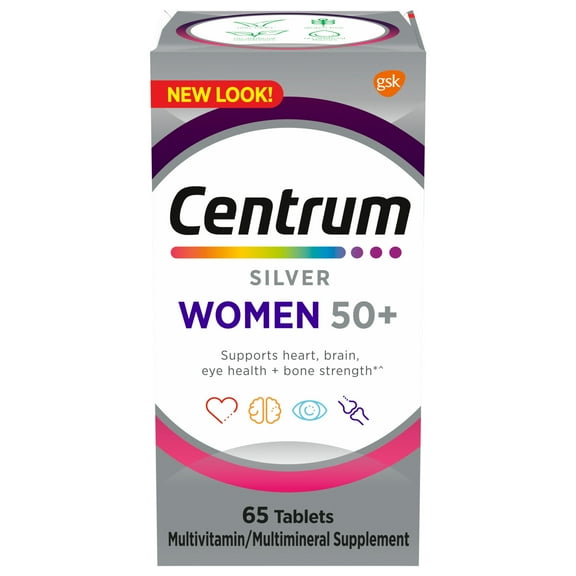
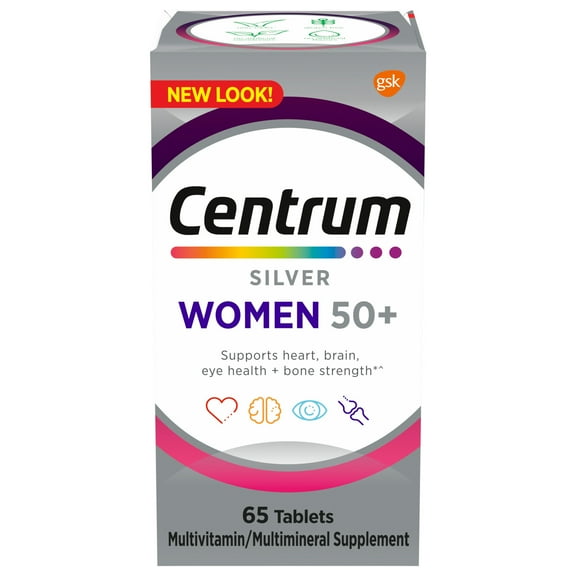
Some products are simple and minimalistic; others come as multivitamins. Multivitamin gummies can be convenient, but dosing transparency and total vitamin D content should be checked carefully. Convenience is valuable, yet accuracy is the compass that prevents under-delivering on bone and brain goals.

How to Take Vitamin D: Timing, Absorption, and Consistency
Vitamin D is fat-soluble, which means absorption can improve when taken with a meal containing fat. Many women find success taking it with breakfast or lunch. Consistency is the quiet engine behind effectiveness—daily habits beat occasional memory lapses.
If you’re using gummies or multivitamins, keep an eye on total daily nutrient amounts. It’s easy to double up unintentionally if another supplement stack is involved. A simple practice helps: track what’s already in your multivitamin before adding standalone vitamin D.
Short-term results should not be expected in a dramatic “overnight” way. Vitamin D status shifts over weeks. That’s not disappointing—it’s realistic. The body needs time to rebuild biochemical reserves.
Safety and Interactions: Avoiding the Overcorrection Trap
Vitamin D is essential, but more is not automatically better. Excess intake can lead to elevated calcium levels, which can cause complications such as kidney strain or digestive symptoms. This is especially relevant for women taking high-dose vitamin D without testing.
Some medications can influence vitamin D metabolism or calcium balance. Examples can include certain anticonvulsants, glucocorticoids, and medications affecting cholesterol absorption. If you take prescription drugs, it’s wise to discuss supplementation with a clinician or pharmacist to avoid problematic interactions.
Safety is not fear; it’s finesse. Use lab data when possible, respect dosing guidance, and treat vitamin D as a targeted nutrient rather than a limitless additive.
Putting It Together: A Practical Bone-Heart-Brain Plan
Vitamin D supports bones, heart function, and brain health through interconnected pathways: calcium absorption for skeletal strength, immune and vascular regulation for cardiometabolic resilience, and neuroimmune signaling for cognitive stability. The most effective approach is integrated.
Aim for a three-part strategy: test and tailor supplementation when needed, build dietary support with fortified foods and fatty fish, and pair vitamin D with lifestyle habits that stimulate the systems it protects. Resistance training and balance work amplify bone benefits and reduce fall risk. A heart-supportive pattern—fiber, healthy fats, movement, and blood pressure awareness—turns vitamin D into one piece of a larger protective mosaic. For the brain, sleep quality, physical activity, stress management, and social engagement help maintain cognitive momentum.
When vitamin D is adequate, the body’s “maintenance routines” can run with less friction. Over time, that can translate into stronger bones, steadier cardiovascular health, and a brain that feels sharper—not because of magic, but because the foundation is finally complete.