Picture this: you’re finally finding your rhythm after childbirth, yet your hairline seems determined to audition for a disappearing act. Strands on the pillow. Strands in the shower. Strands on your dark leggings that somehow reproduce overnight. Now add another question to the mix—what if a simple nutrient is quietly pulling the strings? Could vitamin D for postpartum hair loss be the missing puzzle piece, or is it just another headline that evaporates when you read it twice?
Why Postpartum Hair Loss Happens (And Why It Feels Personal)
Postpartum hair loss is common, and it often arrives like an uninvited guest. During pregnancy, estrogen levels tend to rise, encouraging a higher proportion of hairs to stay in the growth phase. After delivery, hormone levels shift rapidly, and many follicles “clock out” of their growth sprint. The result is telogen effluvium—a shedding pattern that can begin around a few months after birth and last several months.
It can feel deeply personal because the shedding is visible and immediate. But follicles are often behaving more like a calendar than a catastrophe. Hair regrowth frequently occurs as the body recalibrates. Still, many people want something tangible to do right now—something actionable, not just reassuring.
Where Vitamin D Fits In (Spoiler: It’s Not Magic, But It’s Not Nothing)
Vitamin D is sometimes framed as a universal wellness key. In reality, it’s involved in a fascinating variety of biological events, including immune modulation and cell signaling. Hair follicles have been shown to express vitamin D receptors, suggesting vitamin D may influence follicle cycling and inflammatory balance.
Here’s the playful challenge: if vitamin D is a backstage manager for hair biology, postpartum recovery may leave you under-resourced. Less sun exposure, dietary shifts, and the relentless logistics of newborn life can make deficiency more likely. Then the question becomes less “Does it help?” and more “Is it already missing from your system?”
Signs of Low Vitamin D (When the Clues Look Like Everyday Life)
Low vitamin D can be sneaky. Symptoms are often vague, which makes them easy to mislabel as “just postpartum tiredness.” People commonly report fatigue, low mood, generalized muscle aches, or reduced resilience to everyday stress. Some notice frequent illnesses or slow recovery.
However, symptoms alone can’t confirm deficiency. The most reliable route is a blood test for 25-hydroxyvitamin D. Without testing, you may end up supplementing blindly—an approach that rarely feels satisfying, and sometimes isn’t safe.
Does Vitamin D Deficiency Cause Hair Loss?
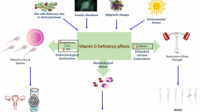
Vitamin D deficiency has been associated with hair loss conditions, including certain patterns of alopecia. The link isn’t always straightforward, but the biological plausibility is there. Low vitamin D may contribute to inflammation, immune dysregulation, or altered follicular cycling—processes that can affect hair density and growth.
In postpartum hair loss specifically, vitamin D is not usually labeled as the sole cause. Postpartum shedding is primarily driven by hormone shifts. Yet, vitamin D could act like a booster—either helping the body recover efficiently or leaving it slightly constrained. Think of it as the quality of the construction materials, not the architecture of the house.
Can Vitamin D Help After Pregnancy? The Realistic Answer
Vitamin D may help indirectly by supporting overall follicle health, especially if you’re deficient. But if your shedding is mainly hormone-driven, supplementation won’t “turn off” telogen effluvium overnight. It’s more likely to support a healthy environment for regrowth rather than provide instant rescue.
So what should you expect? A gradual improvement in shedding intensity over time, followed by regrowth. The timeline is patient-making. Short sentences help here: give it months, not days. Your body is negotiating complex recovery pathways.
How to Check Your Vitamin D (Because Guessing Is a Slow Strategy)
If you’re considering vitamin D, testing can guide the most effective plan. Ask your clinician about a 25(OH)D test. Results are typically interpreted against your health context and local reference ranges. If you’re breastfeeding, it’s especially reasonable to involve a professional—because dosage decisions can have both maternal and infant considerations.
Once you have numbers, you can choose a targeted approach instead of throwing supplements at the wall. The wall always gets messier; you might as well choose a cleaner route.
Safe Supplementation During Postpartum and Breastfeeding
Vitamin D is fat-soluble, which means it’s stored in the body. That’s why “more” isn’t always “better.” Many people use moderate doses to correct deficiency, but the right amount depends on the blood level, your diet, and sun exposure habits.
If breastfeeding, discuss supplementation with a healthcare provider. Breast milk vitamin D content depends partly on maternal status. Your clinician can help you balance maternal replenishment with infant needs.
Also pay attention to interactions. Certain medications can affect vitamin D metabolism, and high doses over time can lead to excess calcium—an outcome you definitely want to avoid.
Diet and Sunlight: The Two Supporting Actors
Supplements can be useful, but they work best alongside foundational habits. Vitamin D can be obtained through diet, though food sources tend to be limited. Fatty fish (like salmon or sardines), fortified dairy or plant milks, and egg yolks can help.
Sunlight exposure also contributes, but postpartum life often limits outdoor time. Even when you do get sun, skin type, geography, season, and sunscreen use can alter vitamin D production. In other words: sunlight isn’t a switch; it’s a variable.
What to Pair With Vitamin D for Hair That Wants to Grow
Vitamin D might be one piece, but postpartum recovery usually responds best to a multi-factor approach. Hair health often intersects with iron status, protein intake, thyroid function, and overall micronutrient balance. If your iron stores are low, you may see persistent shedding. If thyroid hormones are off, hair can become thinner and slower to regrow.
Consider asking about common postpartum labs if shedding is severe or prolonged: ferritin, thyroid markers, and vitamin D—especially if fatigue, pallor, or rapid weight changes are present. Short phrase, long impact: “Check the foundations.”
When to Worry (Because Not All Shedding Is Normal)
Postpartum telogen effluvium is common, but you should seek evaluation if hair loss is patterned (like patches), rapidly worsening, or accompanied by scalp symptoms such as intense itching, scaling, or pain. If shedding continues beyond the expected window, or if you’re also experiencing systemic symptoms—significant weight change, persistent fever, heavy bleeding—medical assessment becomes more important.
And if you’re wondering, “Is this just hormones?”—that’s a question worth answering with a clinician rather than sheer hope. Your time and scalp deserve precision.
A Gentle Regrowth Plan (With Patience Built In)
Even when vitamin D is helpful, regrowth is slow, not dramatic. The hair cycle takes time. In the meantime, adopt strategies that reduce additional stress: avoid harsh traction styles, minimize excessive heat, and choose gentle detangling habits. Scalp massage can be soothing, though it’s not a cure-all. It’s a supportive gesture.
Long sentences can be comforting here: consistent nutrition, appropriate supplementation, and time working together often lead to improvement. And improvement matters, even if it arrives quietly.

Final Thought: So—Does Vitamin D Help Postpartum Hair Loss?
Vitamin D is not a guaranteed solution for postpartum hair loss, but it may help if deficiency is present or if low vitamin D is nudging follicle biology in the wrong direction. Postpartum shedding is typically hormone-driven, yet vitamin D can still serve as a supportive variable—especially during a season of recovery when your body needs every resource available.
If your hair is falling more than you expected, consider testing and a tailored plan. Then let time do its steady work. Hair regrowth often returns like a sunrise you didn’t notice until the room felt brighter.