Ever noticed how an ear infection can feel like a tiny storm in a child’s day—thunderous pain, restless sleep, and parents frantically searching for answers? Now here’s a playful question to tug at that curiosity: what if something as sunny as vitamin D could help disarm the chaos?
Before you picture children basking like miniature lizards, let’s acknowledge the potential challenge: vitamin D isn’t a magic wand. It’s more like a quiet conductor—nudging immune response rhythms in ways that may reduce susceptibility for some infections. The question becomes: how strong is the evidence for ear infections in children, and what does “strong enough” actually mean in real-world terms?
The Ear Infection Landscape: Why Children Are Especially Vulnerable
Ear infections—most commonly acute otitis media—tend to cluster in childhood because the anatomy and physiology of the middle ear are still developing. The Eustachian tube, which helps equalize pressure and drain fluid, is shorter and more horizontal in young children. That configuration makes it easier for fluid to linger, creating a hospitable environment for bacterial or viral overgrowth.
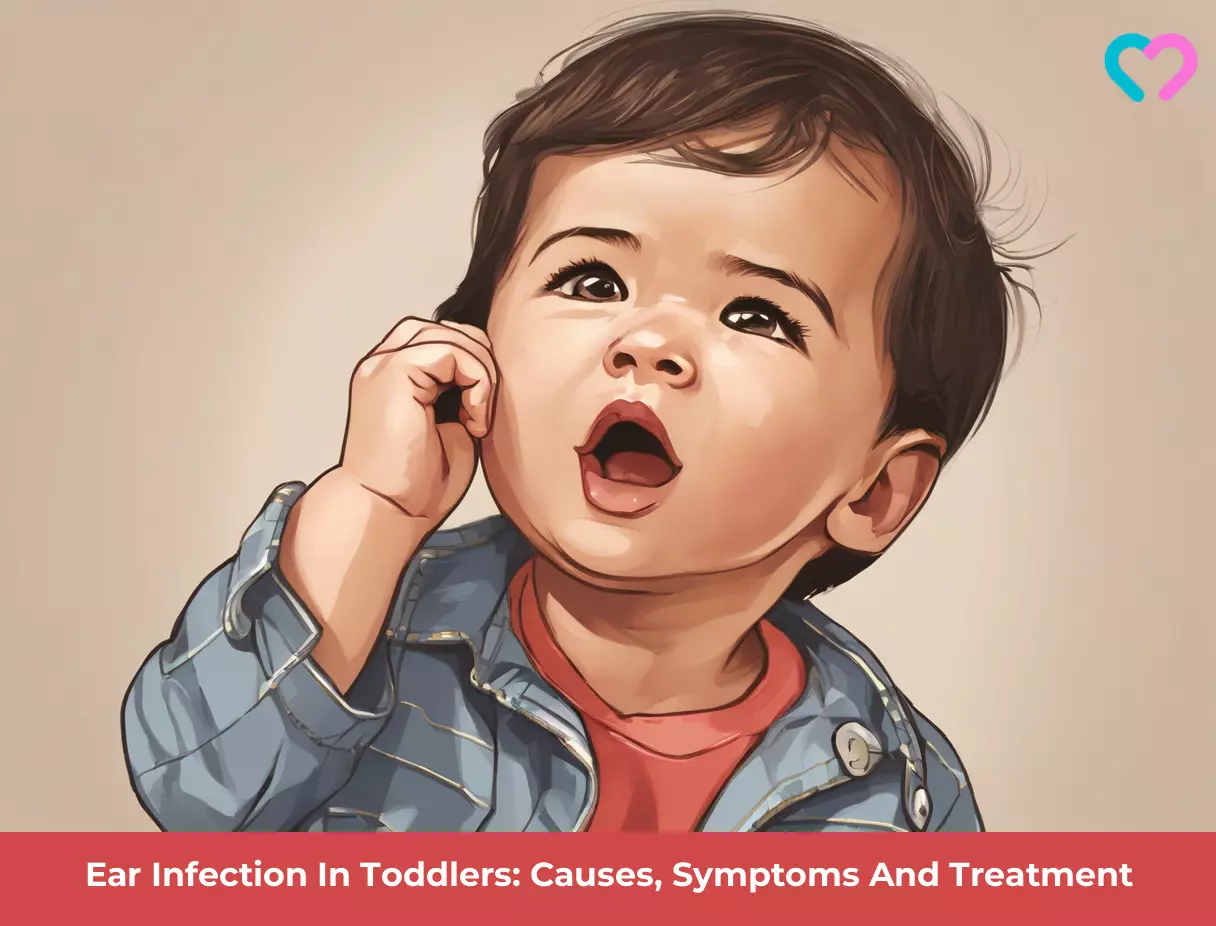
Symptoms often arrive dramatically: ear pain, tugging at the ear, fever, irritability, and sometimes temporary hearing changes. Some children improve quickly, while others spiral into recurrent episodes. Clinicians therefore look for preventive strategies that go beyond treating the flare-up after it has already struck.
And that’s where vitamin D enters the narrative—like a recurring character whose influence is subtle, but potentially meaningful.
Vitamin D 101: Not Just Bone Dust, But an Immune Modulator
Vitamin D is frequently discussed as a bone-supporting nutrient, yet its role is wider. It participates in immune regulation by influencing gene transcription related to innate immunity. In plain language: vitamin D can help shape how the body responds to pathogens before they become fully established.
It also appears to interact with inflammatory pathways. Some researchers describe this as “calming the immune noise” while still preserving the ability to mount an effective defense. That balance matters. Overactive inflammation can worsen symptoms; underactive immunity can allow infections to gain traction.
So the premise isn’t simply that vitamin D kills microbes directly. Instead, it may tilt the probability landscape—making infections less likely to take hold or less likely to persist.

What the Evidence Suggests: A Preventive Signal for Ear Infections
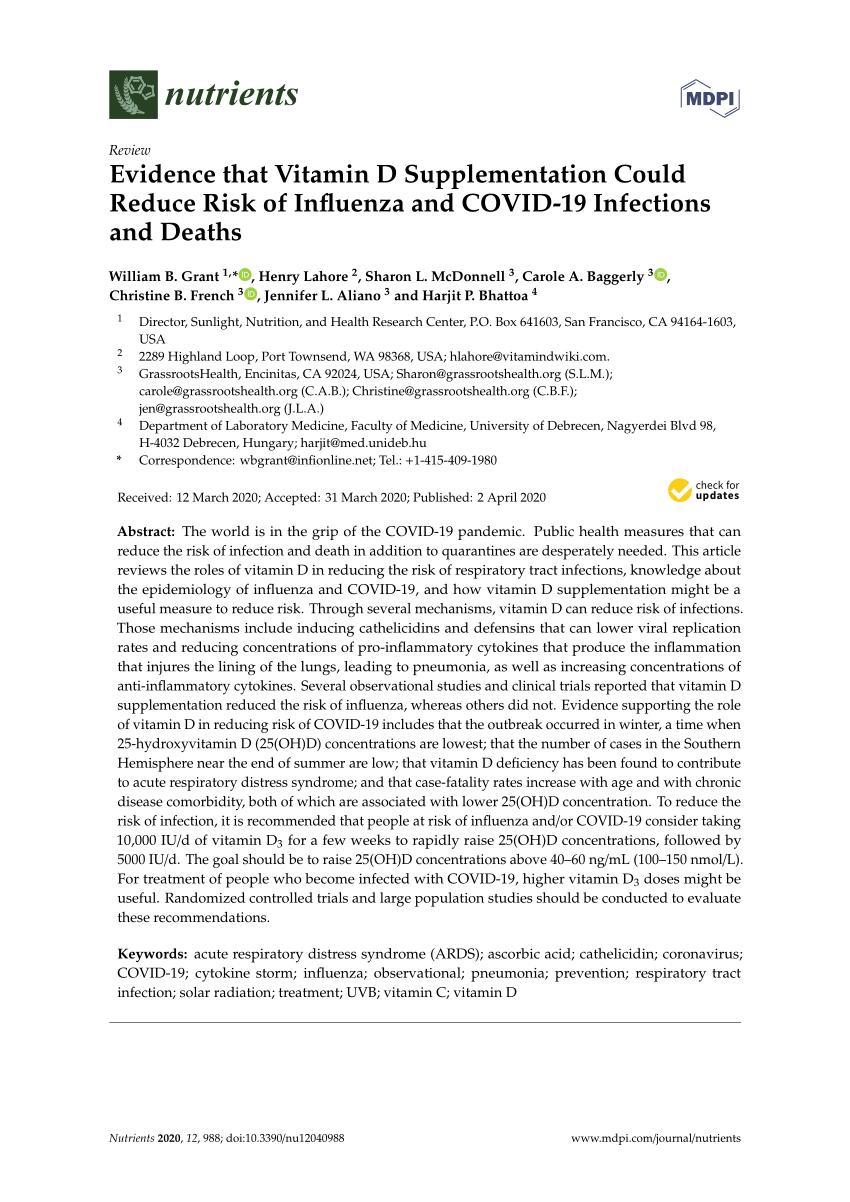
When evidence is examined, a consistent pattern can be glimpsed: vitamin D status (or supplementation) may correlate with a reduced risk of some infections, including those affecting the upper respiratory tract and ears. The reasoning follows a chain of plausibility—vitamin D supports immune function, ear infections are partly immune- and inflammation-mediated, therefore vitamin D might reduce susceptibility.
However, the evidence is not a single thunderclap. Studies vary in design, dosing, baseline vitamin D levels, and how outcomes are measured. Some analyses point to a meaningful protective effect, while others are more cautious, emphasizing that benefits may be strongest in children who are deficient or at higher risk of low vitamin D.
In other words, vitamin D may work like a lock-and-key. If the key—adequate vitamin D—is missing, immune performance could be suboptimal. Restoring that level might improve resilience.
Still, it’s important to interpret results with nuance. A potential reduction in risk is not the same as a guarantee that supplementation will prevent every ear infection.
Recurrent vs. One-Off Infections: Does Vitamin D Help Both?
Consider two children. One gets an ear infection during a seasonal surge and recovers. Another child repeatedly cycles through episodes—sometimes multiple times across a year. Recurrent otitis media may reflect not only immune tendencies, but also environmental exposures (such as daycare attendance), anatomy, allergies, and microbial ecology.
Vitamin D’s role may be more influential when immune function is the limiting factor—such as in the presence of deficiency. In cases where recurrent infections are driven largely by mechanical or environmental causes, vitamin D might contribute only modestly, like adding a small additional barrier to an already crowded defense strategy.
So the answer may depend on the child’s context: baseline vitamin D level, frequency of infections, and concurrent factors that shape ear health.
How Deficiency Enters the Story: Sunlight, Diet, and Geography
The challenge behind vitamin D is that many families struggle to maintain adequate levels. Indoor lifestyles, limited sun exposure, darker skin pigmentation, seasonality, and dietary patterns can all reduce vitamin D status. In turn, low vitamin D could influence immune competence, subtly increasing vulnerability to infections.
For some children, supplementation may simply correct a deficiency. When that happens, the immune system may operate with improved “precision”—less dithering, fewer misfires, and a better ability to counter pathogens early.
But this is where responsibility matters. Without measuring or estimating baseline needs, supplementation can become guesswork. Too little may be ineffective; too much may carry risks. The goal is not maximal vitamin D—it’s optimal vitamin D.
Dosage and Safety: The Balancing Act Parents Need
Evidence for benefit often centers on reaching adequate serum levels rather than administering extreme doses. Pediatric dosing should align with established guidance and the child’s individual risk profile. Clinicians commonly consider factors such as age, dietary intake, sun exposure, body weight, and whether laboratory testing has confirmed low vitamin D.
Safety is not a footnote. Excess vitamin D can lead to calcium imbalance, including hypercalcemia, which can cause serious complications. That doesn’t mean parents should panic; it means dosing should be deliberate and appropriately monitored when indicated.
A thoughtful approach looks like this: evaluate risk, consider testing if warranted, supplement within recommended ranges, and recheck when clinicians advise it. This method respects both the potential upside and the need for prudence.
What Vitamin D Can’t Do: Managing Expectations Around Antibiotics and Prevention
Vitamin D does not replace standard care. Ear infections may require pain relief, and sometimes antibiotics depending on severity and clinical judgment. Fluid drainage decisions, watchful waiting, and follow-up protocols remain crucial.
Also, vitamin D doesn’t override other evidence-based preventive measures: breastfeeding support where possible, reducing exposure to tobacco smoke, and ensuring appropriate vaccination coverage. Those interventions shape infection risk through multiple pathways—vitamin D is one strand in a wider tapestry.
Still, it may be a valuable strand for some children—particularly those with low levels at baseline.
Practical Takeaways: Building a Sensible Plan
If you’re wondering whether to explore vitamin D for ear infection prevention, think in steps rather than leaps. First, consider your child’s age and lifestyle: time outdoors, typical diet, and any history of frequent infections. Next, discuss vitamin D needs with a pediatric clinician. If deficiency is suspected, testing may clarify the target.
Then, incorporate supplementation as directed—not as a spontaneous experiment. Keep the dosing aligned with professional guidance, and monitor for tolerance. Finally, integrate vitamin D into a broader prevention strategy that includes medical follow-up and environmental adjustments.
In that frame, vitamin D becomes less like a miracle and more like an ally: a supplement that supports immune function so the child’s body can respond more effectively when germs arrive.
The Bottom Line: Promising, Context-Dependent, and Worth Discussing
Vitamin D for ear infections in children is best understood as a promising, context-dependent strategy. The evidence suggests a potential protective effect, especially where deficiency is present or at least likely. Yet it’s not a standalone solution, and outcomes likely vary by baseline status and individual risk factors.
So the next time an ear infection seems to stalk your child’s schedule, remember the playful question—and the realistic answer. Vitamin D might not banish the storm instantly, but it could help strengthen the immune scaffolding that keeps the sky clearer for longer.