Breastfeeding is often described as a singular act of care—warm, instinctive, and profoundly personal. Yet tucked inside that intimacy is a biochemical conversation happening quietly between mother and baby. One nutrient, in particular, seems to influence that conversation with unusual elegance: vitamin D. It is easy to assume that breast milk is automatically “complete” in every way, but the story of vitamin D reveals a more nuanced truth. The mother’s stores, the sun she (or doesn’t) receive, and the way her body metabolizes vitamin D can subtly reshape both the quality and the quantity of what reaches the nursing infant. Once you notice this, your perspective shifts. Breast milk becomes not a static product, but a dynamic formulation—responsive, variable, and deeply tied to the mother’s physiology.
Vitamin D: The Quiet Architect of Milk Composition
Vitamin D is not merely a bone-building vitamin. It behaves more like a regulatory hormone, with receptors that influence gene expression across multiple tissues. In breastfeeding, this matters because vitamin D participates in calcium homeostasis, immune modulation, and cellular differentiation—processes that can influence milk chemistry. Think of it as an architect rather than a handyman: its presence doesn’t just “add something,” it reorganizes the way systems coordinate.
When maternal vitamin D status is adequate, vitamin D–related pathways are more likely to operate smoothly, supporting a breastfeeding environment that can be nutritionally consistent. When status is low, the milk’s vitamin D concentration may not meet infant needs, and downstream effects can ripple outward. The surprising part is how little vitamin D can do in terms of immediate, visible changes—until you look at the biochemical implications over time.
Quantity vs. Quality: What “Enough” Really Means
Quantity is often discussed as if it were only about breast milk volume. But vitamin D introduces an important reframing: “quantity” can also refer to how much of a specific micronutrient is present in the milk. Quality, meanwhile, includes the functional adequacy—whether the milk contains nutrients in forms and proportions that align with infant physiology.
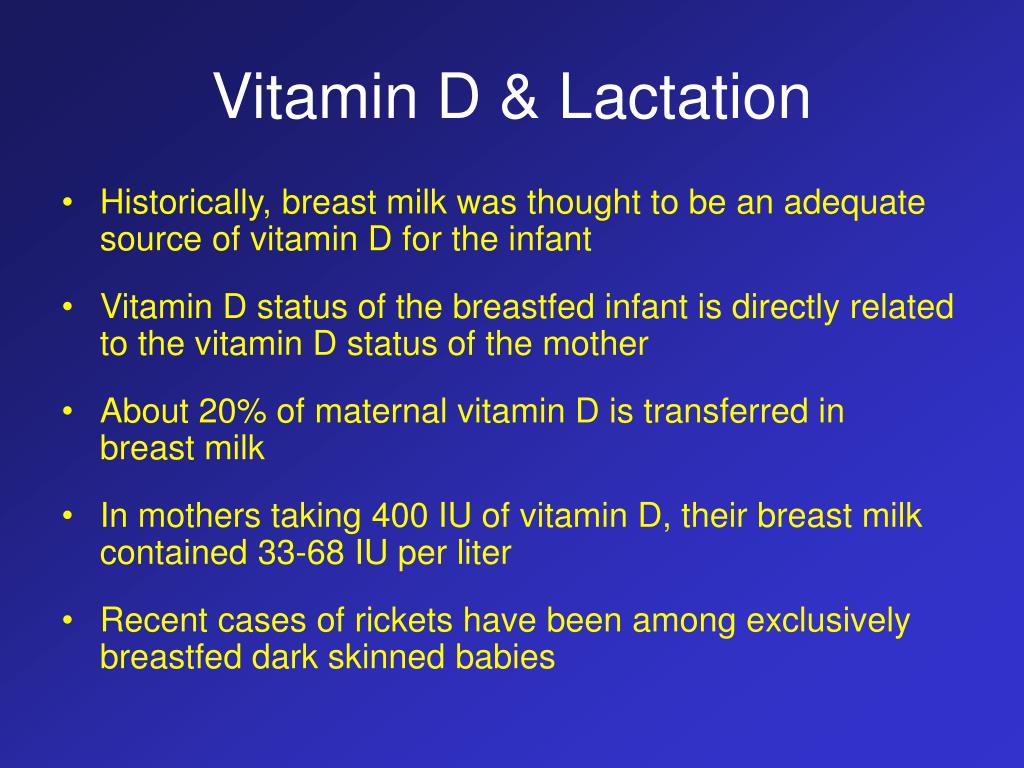
For vitamin D, the key concept is transfer efficiency. Vitamin D metabolites circulate in the mother’s blood and can appear in breast milk. Adequate maternal levels increase the likelihood that milk vitamin D concentrations are sufficient. In contrast, low maternal status can mean the infant receives an amount that may be inadequate, even if the mother produces ample milk.
This is why vitamin D is so compelling: it challenges the comforting assumption that breastfeeding automatically “covers the bases.” It’s not that breast milk is poor. It’s that vitamin D is conditional—shaped by diet, supplementation practices, geography, seasonality, skin pigmentation, and sun exposure patterns.
How Maternal Stores Become Infant Nutrient Access
Vitamin D is synthesized in the skin under ultraviolet B light and also obtained through diet and supplements. During pregnancy and lactation, the body manages competing priorities: maintaining maternal bone health, regulating calcium and phosphorus, and sustaining milk nutrient availability. Lactation can draw on maternal reserves, especially when baseline vitamin D is already low.
Metabolism adds another layer. Vitamin D is converted in the liver and kidneys to active forms that participate in calcium absorption and regulation. Those circulating metabolites influence what ultimately appears in breast milk. In plain terms: the baby’s intake is downstream of the mother’s internal ecosystem.
Curiosity grows here, because the relationship isn’t purely linear. Two mothers with the same breastfeeding duration may differ dramatically in milk vitamin D depending on starting stores, supplement adherence, and individual metabolic efficiency. Vitamin D is therefore less about a single moment and more about a temporal narrative—what was happening in the body weeks to months earlier.
The Immune and Cellular Side of Vitamin D in Lactation
Vitamin D’s significance extends beyond classic roles. Its influence on immune signaling can be particularly relevant during infancy, a stage when the immune system is still calibrating its responses. While breastfeeding supports immunological protection in many ways, vitamin D adds another dimension: it can affect how immune cells behave and how inflammatory signaling is modulated.
This does not mean vitamin D replaces other protective mechanisms. Instead, it acts like a backstage regulator, quietly tuning the orchestra so the immune system can respond with greater precision. When maternal vitamin D is sufficient, the biochemical environment associated with milk may support more robust regulation patterns.
Even if a baby appears outwardly healthy, cellular-level processes may still be affected. Vitamin D’s influence, therefore, is sometimes invisible but not trivial.
Signs of Deficiency: The Problem Often Hides in Plain Sight
Vitamin D deficiency can be insidious. Infants may not show obvious symptoms early, especially if other nutrients are adequate. Yet deficiency can lead to disruptions in calcium absorption and mineralization. Over time, this can contribute to rickets and other complications.
During lactation, the challenge is that the infant’s vitamin D status cannot be reliably inferred by the mother’s appearance alone. Even mothers who feel well can have suboptimal vitamin D. Additionally, breastfeeding practices vary, dietary patterns differ, and sunlight exposure is not uniform across seasons or cultures.
This is where perspective shifts again: deficiency is not merely a “lack of vitamin.” It’s a systems failure between environment, maternal metabolism, and infant needs. Addressing vitamin D becomes a bridge between those systems.
Practical Strategies: Supporting Vitamin D Without Guesswork
Approaches typically include sunlight exposure, dietary intake, and supplementation. But because vitamin D status can vary widely, supplementation is often the most predictable method—especially for exclusively breastfed infants, whose vitamin D intake depends heavily on breast milk concentration.
For mothers, supplementation practices during lactation may influence milk vitamin D levels. The most effective plan is individualized: it takes into account baseline status, region, season, skin coverage, dietary patterns, and any medical considerations. Medical guidance matters because excessive vitamin D is also undesirable.
For infants, clinicians often recommend vitamin D supplementation when needed, even during breastfeeding. The logic is straightforward: if milk vitamin D is not guaranteed to meet infant requirements, supplementation closes the gap. In this way, vitamin D becomes a safety net—precise, targeted, and quietly empowering.
Why Breast Milk Can Vary: The Role of Environment and Timing
Breast milk is not produced in a vacuum. It reflects a living process influenced by maternal body chemistry. Environmental factors—such as latitude, winter sun scarcity, and air pollution—affect cutaneous vitamin D synthesis. Dietary habits influence intake. Even clothing styles and indoor lifestyles can reduce UVB exposure.
Timing is equally important. Vitamin D levels in the mother can change over weeks, and those fluctuations can influence milk composition. Thus, “now” is not always “then.” A mother’s recent supplementation may not immediately correct every biochemical pathway instantly, but it can progressively improve the milk environment.
This is one reason vitamin D discussions should feel less like a checklist and more like a longitudinal narrative. When you view it that way, the complexity becomes understandable rather than frightening.
Opening the Door to Better Outcomes: A Shift in Perspective
Breastfeeding advocates for a vision of closeness. Vitamin D adds a different—but compatible—vision: responsibility as an extension of care. When vitamin D is adequate, breastfeeding can more fully express its nutritional potential. When it’s not, small interventions can often correct the imbalance.
What makes this topic so intriguing is how it redefines agency. A mother does not only “feed”; she actively shapes milk composition through physiology, supplementation, and lifestyle. The baby does not merely “receive”; the baby’s health reflects how that exchange was supported.
The next time breast milk is described as miraculous, consider the detail beneath the miracle. Vitamin D doesn’t just improve bones. It choreographs nutrient transfer, influences immune regulation, and helps translate maternal wellbeing into infant readiness—one quiet biochemical step at a time.

Looking Forward: Turning Curiosity into Confidence
Vitamin D for breastfeeding is not a dramatic topic, and that’s precisely why it deserves attention. The stakes are significant, yet the interventions are often feasible. Instead of treating vitamin D as an afterthought, it can be integrated into a thoughtful breastfeeding plan.
Curiosity becomes confidence when it leads to action: understanding the nutrient’s role, acknowledging variability, and choosing evidence-informed supplementation strategies. Breastfeeding remains the heart of infant nutrition. Vitamin D simply helps ensure the nutrition’s full message is delivered—clear, sufficient, and ready for the journey ahead.