Muscle weakness can feel like a betrayal—one day your body moves with practiced ease, and the next it hesitates, stutters, or aches as if your muscles have forgotten their script. The confusing part is that weakness isn’t always rooted in overuse, poor sleep, or plain old aging. Sometimes the underlying culprit is subtler: a vitamin D deficiency. This nutrient functions like a quiet foreman in your system, coordinating muscle performance, cellular signaling, and calcium balance. When vitamin D is low, the body can start acting “under-briefed,” and your muscles notice first.
1) Weakness That Feels Like “Gravity Is Heavier” Than Usual
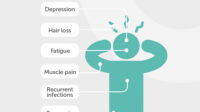
One of the earliest signs of vitamin D deficiency is a kind of fatigue-driven weakness. It may show up as a generalized heaviness in the legs, trouble climbing stairs, or an inability to hold posture for long periods. People often describe it as if their limbs are working harder without generating the same output. This sensation can be especially noticeable in the morning, after periods of inactivity.
Vitamin D influences muscle function by supporting the communication pathways that help muscle fibers contract efficiently. When levels dip, the nervous system’s coordination signals can become less crisp. Short sentences help here because they mirror the lived experience: you get up, you strain, you slow down. Over time, the weakness may become less about a single “bad day” and more about a recurring pattern.

2) Muscle Cramps, Twinges, and That Unreliable “Tightness”
Not all deficiency symptoms are dramatic. Many are more like irritations—small, intermittent, and easy to dismiss. Vitamin D deficiency can contribute to muscle cramps, twitching, and a persistent sense of tightness. These sensations may surface after light activity, during rest, or at night when your muscles should be quiet.
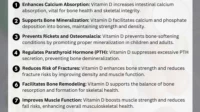
To understand why, consider vitamin D’s relationship with calcium and phosphate regulation. Calcium is essential for muscle contraction and relaxation. When vitamin D is insufficient, the body may struggle to maintain optimal calcium balance, which can nudge muscle behavior out of alignment. Think of it as a metronome running slightly off tempo; the rhythm becomes irregular, and your muscles respond accordingly.
Look for a combination: cramps plus weakness, or cramps plus a lingering ache that doesn’t fit your activity level. If your cramps feel more frequent than before—especially without a clear trigger—that pattern deserves attention.
3) Bone Discomfort or Aching That Hangs Around Like a Shadow
Muscle weakness and bone discomfort can travel together. Vitamin D deficiency can lead to impaired bone mineralization, which may present as generalized aches. Some people feel it in the low back, hips, or thighs. Others describe a “deep soreness” that seems to radiate rather than remain localized.
This isn’t the typical soreness you’d expect after exercise. It’s more like an echo—steady, persistent, and disproportionate to what you’ve done recently. Long sentences can feel like the symptom itself: drawn out, stubborn, and hard to dismiss.
Because vitamin D plays a role in maintaining bone health, deficiency can create a feedback loop. When bones feel weaker, your movement patterns often change unconsciously. That altered mechanics can then intensify muscle strain and perceived weakness. In other words, your muscles might be reacting to the foundation beneath them.
4) Trouble Recovering: Stamina Drops and Recovery Feels Slower
You may notice that workouts, chores, or even casual walking don’t go the way they used to. Recovery might take longer than expected. After activity, your muscles can feel depleted, and the usual “I’ll feel better tomorrow” promise doesn’t arrive. This can be disorienting because it suggests your capacity has quietly shrunk.
Vitamin D supports not only muscle contraction but also mitochondrial efficiency—the energy-making machinery within cells. When vitamin D is low, that energy output can become less reliable, and muscles may feel drained faster. The result is a functional decline: less endurance, reduced strength, and a sense of sluggishness.
Pay attention to your baseline. If you’re doing everything “normally” (reasonable sleep, consistent diet, typical activity) yet your stamina is eroding, vitamin D deficiency becomes a plausible suspect—especially if symptoms cluster around weakness, ache, and low resilience.
5) Higher-Risk Patterns: Limited Sunlight, Darker Skin, or Lifestyle Factors
Sometimes the sign isn’t a sensation—it’s the context. Certain risk factors make vitamin D deficiency more likely, and when those conditions coexist with muscle weakness, the connection strengthens. Limited sun exposure is a primary driver. If your lifestyle keeps you indoors, if you cover most skin for extended periods, or if you rarely spend time in direct sunlight, your body produces less vitamin D naturally.
Season matters too. In winter months, latitude, cloud cover, and shorter daylight can reduce effective sunlight exposure. People with darker skin generally have higher melanin, which decreases vitamin D synthesis efficiency. Age is another factor—vitamin D production in the skin tends to decline over time.
Dietary patterns can also play a role. If your intake of vitamin D-rich foods is minimal (and supplementation isn’t part of your routine), levels may drift downward. Some medical conditions and medications can affect absorption or metabolism, making deficiency more common.
When to Treat This as More Than a Guess
Vitamin D deficiency is common, but symptoms overlap with other conditions—thyroid disorders, anemia, electrolyte imbalances, inflammatory muscle diseases, and neurologic issues. That’s why a practical approach matters. If weakness is progressive, accompanied by falls, significant pain, or functional limitations, consult a healthcare professional promptly.
A blood test can clarify the situation. Clinicians typically evaluate 25-hydroxyvitamin D levels, and they may also assess calcium, phosphate, and markers relevant to bone and muscle health. The point isn’t to self-diagnose—it’s to reduce uncertainty.
In the meantime, focus on safe, supportive habits: moderate sun exposure when appropriate, vitamin D-containing foods (fatty fish, fortified dairy or alternatives), and resistance-based movement to encourage muscle strength. Short walks can help blood flow and reduce the “stiffness spiral,” and longer, structured activity can rebuild confidence in your strength.
Closing Thought: Your Muscles Are Interpreting a Signal
Muscle weakness isn’t always just a symptom of strain; sometimes it’s a message from your body’s biochemical systems. When vitamin D is low, the messaging can feel broad and unspecific—aching, heaviness, cramps, and slow recovery—like a fog rolling in rather than a single storm. By recognizing the patterns and understanding the underlying physiology, you can move from guesswork to clarity. Your next step can be thoughtful: observe your risk factors, track your symptoms, and seek testing when the pattern repeats.