Bones are more than scaffolding. They’re living architecture—quiet, constantly negotiating strength and resilience beneath your skin. Yet as the years pass, the conversation inside that architecture changes. Calcium may feel like the headline, but Vitamin D and Strontium play subtler, more intriguing roles—one acting like a master key for mineral orchestration, the other like a selective architect influencing how bone lays down its blueprint. In this comparison, we’ll walk through how each nutrient contributes, what makes them distinctive, and why people often find their appeal strangely compelling—almost like two different craftspeople working on the same cathedral.
Vitamin D: The Sunlit Conductor of Calcium Harmony
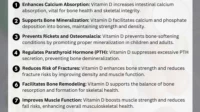
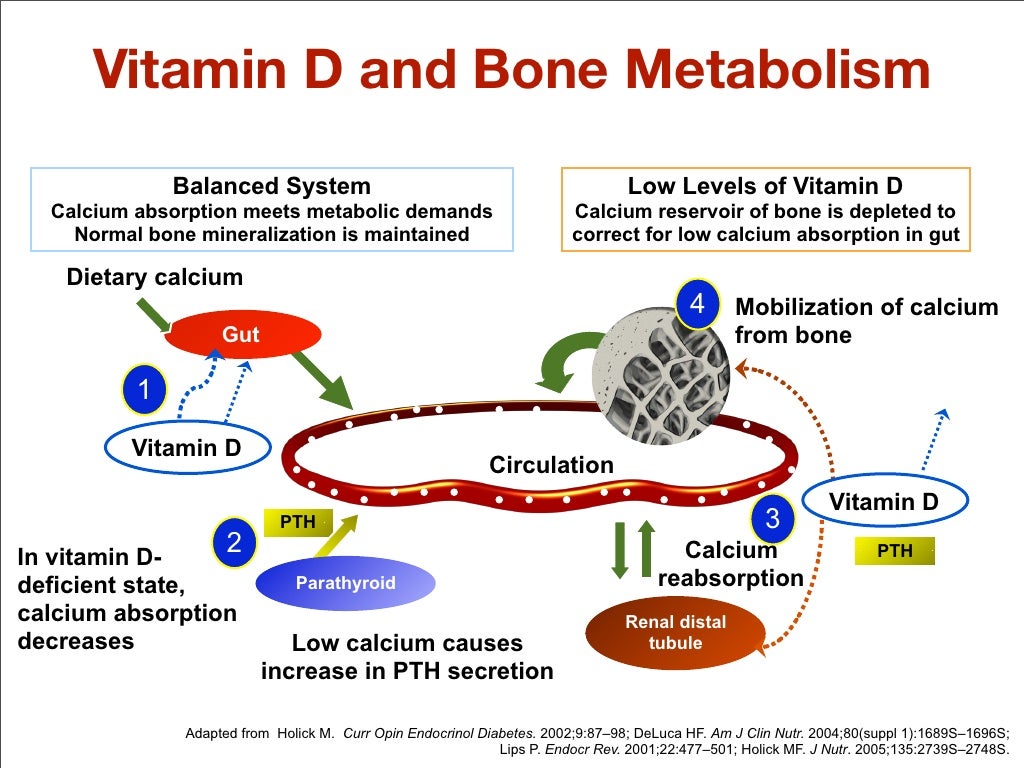
Vitamin D is often described as a “vitamin,” but it behaves more like a conductor—standing in front of an orchestra and quietly demanding precision. Its central job is to help the body absorb calcium and use it effectively. Without adequate Vitamin D, calcium can become stranded, present in food or supplements yet unable to fully participate in the bone-building process.
Imagine calcium as building blocks scattered in a warehouse. Vitamin D is the logistics team that brings those blocks to the construction site, ensuring they arrive where they’re needed and in a workable form. When Vitamin D status is healthy, the body can more efficiently manage absorption and maintain mineral balance. That balance matters because bone is not static. It remodels, reshapes, and adapts—day by day, microfracture repair to long-term density regulation.
Vitamin D’s influence extends beyond absorption; it also supports the regulatory environment that tells bone cells how to behave. It’s the signal that can encourage steadier mineralization and, indirectly, better structural integrity—especially when dietary intake and sunlight exposure have been inconsistent.

Strontium: The Bone-Targeting Signature
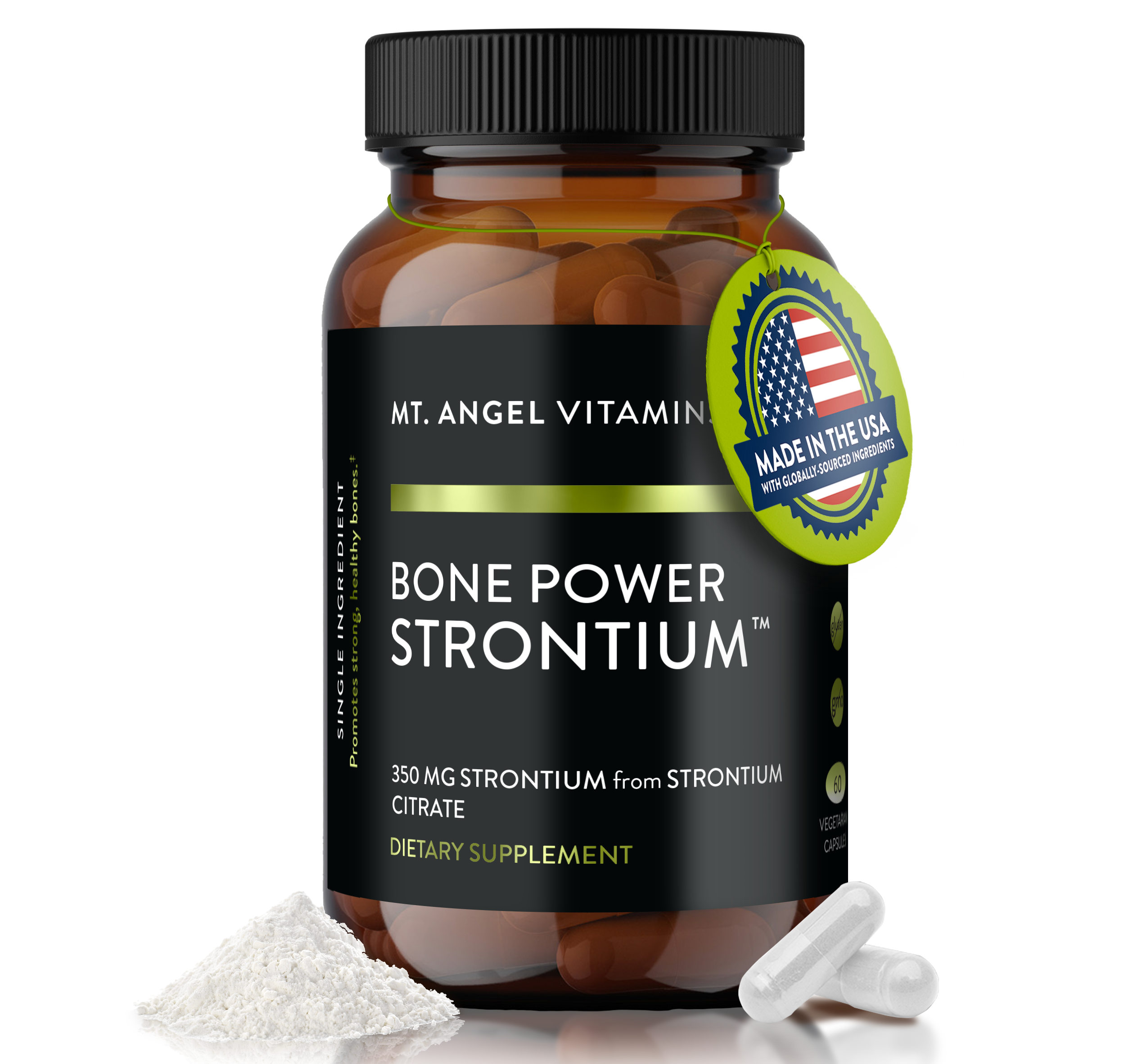
Strontium is less famous than Vitamin D, but its reputation is intriguingly specific. Instead of primarily helping you absorb minerals from the gut, Strontium has a “bone-address” quality—its atoms are similar enough to calcium that they can interact with bone mineral surfaces. This similarity allows Strontium to become part of the conversation at the very location where bone is being remodeled.
Think of Strontium as a substitute key that fits—subtly altering what the lock allows. Where calcium provides the standard language for bone mineral, Strontium can partially enter the scene and influence how mineral deposition and remodeling progress. This doesn’t mean it replaces calcium’s role. Rather, it adds a distinctive flavor to the remodeling process, which is why it’s often positioned as a targeted bone density support option.
Many people are drawn to Strontium because it feels like a direct intervention at the “site” of bone maintenance. The idea is compelling: not merely improving the supply line, but adjusting the rules of construction once material reaches the structure.
Different Paths, Shared Destination: How They Work Together or Differ
Vitamin D and Strontium can be compared to two stages of a complex ritual. Vitamin D focuses on the preconditions—availability, absorption, and regulatory readiness. Strontium focuses on the remodeling environment—how bone cells and mineral surfaces respond over time.
One nutrient helps open the gate for calcium to enter the system. The other may influence how the bone material behaves once it’s integrated. Together, they can resemble a two-part blueprint: Vitamin D supplies the enabling conditions, while Strontium introduces nuance at the building stage.
However, they are not interchangeable. A body can have minerals present yet still struggle with the “permission slip” Vitamin D provides. Conversely, calcium and minerals might be adequately managed yet bone remodeling could benefit from a targeted modifier—where Strontium enters the storyline.
When people choose one or the other, it often reflects whether their priority is absorption support, remodeling influence, or a strategic blend of both.
Synergy and Composition: Why Formulas Often Matter
In real-world supplementation, products rarely exist as lone actors. Vitamin D is commonly paired with other bone-relevant nutrients, while Strontium formulas may emphasize distinct dosing and compatibility considerations. This matters because the body is an interdependent system. A supportive nutrient profile can feel like a well-rehearsed ensemble—each ingredient playing a role that reduces friction in the overall outcome.
Some formulations include Vitamin D-3 (a form frequently used for raising and maintaining vitamin D levels). Others add co-factors like Vitamin K-2, which is frequently associated with healthy mineral utilization pathways. The appeal of these combinations is not merely marketing; it reflects the reality that bone is influenced by multiple biochemical signals.
Strontium products may include vitamin allies as well, reinforcing a “whole-structure” approach. The unique appeal here is the sense of intentionality—less about a single lever and more about orchestrating multiple levers that govern strength.

Target Audience: Who Tends to Gravitate Toward Each
Vitamin D is a widely familiar companion for many people—especially those with limited sun exposure, higher latitudes, darker skin tones, indoor lifestyles, or dietary patterns that don’t naturally provide enough vitamin D. It’s often chosen when the goal is to shore up a baseline deficiency risk and support overall bone health maintenance.
Strontium, by contrast, tends to attract those searching for more targeted remodeling support. People who are especially focused on bone density and structural change are often drawn to its niche role. The narrative appeal is different: rather than “helping you absorb,” it feels like “participating directly in the architecture’s remodeling choreography.”
Neither approach is inherently better; each aligns with a different emphasis in the bone-health story. Many individuals prefer to start with addressing Vitamin D status and then consider additional remodeling-support strategies, depending on their goals and guidance from healthcare professionals.
Timing, Dosage, and the Reality of Consistency
Supplements work best when treated as rituals, not errands. Vitamin D absorption can depend on dietary fat intake, and it’s often used consistently—daily or in a schedule designed for stability. Think of it as a slow sunrise rather than a single flash of light.
Strontium dosing is typically designed to maintain steady exposure over time, because bone remodeling is measured in months and years, not days. It’s less “quick fix,” more “patient persuasion.” The body’s remodeling cycles are intricate; consistent support better matches that rhythm.
Consistency also influences how people interpret outcomes. Even excellent nutrients can appear disappointing when use is sporadic. The bone-building process respects durability—both in biology and in adherence.
Safety, Cautions, and Thoughtful Use
Every story about nutrients should include a responsible chapter. Individual health status matters—existing conditions, medications, and personal lab results can all influence what’s appropriate. Vitamin D, for instance, is fat-soluble and can accumulate if taken excessively. Strontium has its own considerations, including the importance of aligning use with medical guidance, especially when other minerals or supplements are involved.
For many people, the most elegant strategy is to avoid guesswork. Checking vitamin D levels and discussing plans with a qualified professional can help prevent overreaching and ensure the chosen approach fits the body’s actual needs.
The Intriguing Bottom Line: Choosing Your Bone-Building Narrative
Vitamin D is the sunlit conductor, guiding calcium toward its role in mineralization and helping the body maintain a stable remodeling environment. Strontium is the architectural modifier, interacting at the bone mineral surface and adding distinctive influence over how bone density and remodeling may progress.
If you’re imagining bone health as a cathedral under renovation, Vitamin D is the supply-chain and lighting system that ensures materials can be used correctly. Strontium is a specialized craftsman who adjusts the mortar’s behavior at the construction site. Together, they offer different kinds of reassurance—one about enabling absorption, the other about shaping remodeling outcomes.
In the end, the unique appeal of Vitamin D and Strontium lies in their complementary roles. One turns up the volume on calcium’s usability. The other nudges the choreography of bone itself. And when the story feels coherent—when the right support meets the right need—bones can become less of a worry and more of an ongoing testament to resilience.