Parents notice patterns before science does. A late afternoon lack of sun. A restless evening. A child who seems to drift between sleep and wakefulness as if the night were a radio signal with a weak station. In that swirl of observation, vitamin D often enters the conversation—especially when sleep problems cluster around bedwetting, night terrors, or that peculiar brand of wakefulness that looks like fear but behaves like physics. It’s tempting to call it “just genetics” or “just stress.” Yet the body is rarely so tidy. Sometimes the deeper explanation hides in something as unglamorous as a nutrient produced by daylight.
Why Vitamin D Shows Up in Sleep Conversations
Vitamin D is commonly remembered for bones, but its influence is broader—more like a backstage stage manager than a single spotlight. In children, vitamin D supports calcium metabolism, immune signaling, and cellular regulation. Those processes quietly intersect with sleep because sleep is not only rest; it is orchestration. The brain coordinates rhythms, the gut negotiates signals, and hormone cascades—like melatonin—must land on time.
When vitamin D status is low, it can tilt the overall “sleep ecosystem.” The result may look like difficulty settling, more frequent awakenings, or a night that feels unusually volatile. Short awakenings can be misread as “bad temperament,” but they can also be micro-disruptions in how the body cycles through sleep stages.
It’s also worth acknowledging an everyday irony: many children spend less time outdoors due to school schedules, indoor hobbies, weather, or fear of sun exposure. That doesn’t mean sunlight is the only lever. It means the lever is often out of reach.
Bedwetting and Sleep: The Overlap Parents Can’t Ignore
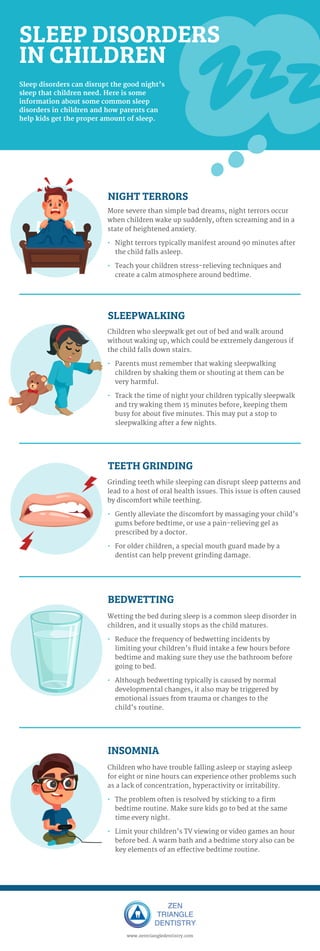
Bedwetting can appear in several forms. Some children outgrow it. Others are still learning bladder control. But sleep quality matters because the body’s ability to respond to bladder fullness is entangled with arousal thresholds—how easily a child wakes up to empty their bladder.
Imagine sleep as a “dimmer switch.” In some children, deeper sleep is harder to interrupt, even when the bladder sends a clear signal. If vitamin D deficiency contributes to fragmented sleep or altered neuroregulation, it might lower the likelihood that a child transitions smoothly from deep sleep to full awareness. That can make bedwetting more likely, not because vitamin D directly “causes” it, but because it may influence the nervous system’s readiness to wake.
There’s another pathway too: vitamin D has roles in muscle function and overall metabolic health. Nighttime muscle tone and autonomic regulation can affect bladder dynamics indirectly. And because children are still developing, small shifts may have disproportionate outcomes.
Still, bedwetting is not a simple diagnosis of “vitamin D equals wet sheets.” It can also relate to constipation, urinary tract issues, sleep apnea, or excessive evening fluid intake. The goal is not to replace medical evaluation; it’s to broaden the lens.
Night Terrors: When Sleep Looks Like Drama
Night terrors are unsettling—not just for the child, but for the entire household. A child may sit up, cry out, seem panicked, and yet remain unresponsive to comfort. Episodes can feel like fear without a clear memory. That is characteristic: night terrors are typically rooted in specific sleep-stage transitions, often during non-REM deep sleep.
How does vitamin D fit into this? Sleep-stage cycling depends on brain signaling and nervous system stability. Vitamin D influences neuroimmune interactions and can affect signaling pathways that support brain function. If deficiency results in more irregular sleep architecture, a child may be more prone to those jagged transitions where terror intrudes.
There’s also a psychological misconception parents may encounter: “My child is having bad dreams.” But night terrors are often less about narrative dreaming and more about physiologic misfires. That distinction matters because strategies differ. Comforting the child during an episode can help them feel safer afterward, but forcing wakefulness may not stop the episode and can sometimes prolong distress.
If sleep terrors are frequent, it’s wise to screen for contributing factors—fever, stress, irregular sleep schedules, caffeine or sugar close to bedtime, and, importantly, sleep-disordered breathing. A vitamin D discussion can be part of that wider assessment rather than the only explanation.

The Deeper Biology: How Nutrients Meet Sleep Rhythms
Sleep is governed by circadian timing and homeostatic pressure—day-night contrast and “sleep debt.” Vitamin D is tied to circadian biology indirectly, partly through hormone modulation and immune regulation. Immune signals are not distant from sleep; they can be sleep-shaping, sometimes promoting sleepiness when inflammation rises, and sometimes impairing sleep continuity when the system is dysregulated.
Some parents notice a seasonal pattern: worse sleep during winter, brighter sleep in late spring. That observation can be more than coincidence. Reduced daylight can mean reduced vitamin D synthesis, and daylight also influences circadian cues. When both shift, sleep may wobble.
It’s not simply “vitamin D makes sleep happen.” It’s more nuanced: vitamin D contributes to baseline neural and immune stability, which can affect whether the child’s nights are smoother or more interrupted.
There is also a less discussed factor: children with inconsistent sleep may spend less time outdoors, even during daylight hours. The relationship becomes bidirectional—sleep influences behavior, behavior influences vitamin D status, and vitamin D status influences the brain’s ability to settle. That loop can seduce families into a repeating cycle.
Common Signs That Suggest a Nutritional or Sleep Disruption Thread
Parents often ask, “What should I look for?” While symptoms are not diagnostic, certain clusters may justify checking vitamin D status with a clinician. Watch for recurrent sleep fragmentation, prolonged difficulty falling asleep, frequent night awakenings, or episodes that resemble night terrors. Consider whether there are bone-related hints such as delayed growth, muscle weakness, or discomfort with activity—but those are not always present.
Another hint is risk context. Children who rarely receive sunlight, live in higher latitudes, have darker skin (which reduces vitamin D synthesis efficiency), or follow strict diets may be at greater risk. Obesity can also influence vitamin D availability because it can be sequestered in body fat.
If bedwetting is present along with restless sleep, it can strengthen the argument for evaluating the sleep system broadly. If night terrors occur during a period of illness or schedule changes, it also suggests that physiologic stability matters.
How to Approach Vitamin D Safely in Children
The correct approach is methodical, not dramatic. Vitamin D supplementation should align with age, baseline levels, diet, and clinician guidance. Blood testing—often a measure of 25-hydroxyvitamin D—can clarify whether supplementation is needed and how much.
Over-supplementation can be harmful. High vitamin D levels may raise calcium excessively, leading to symptoms such as nausea, constipation, excessive thirst, or lethargy. That’s why “more” is not better, even when sleep seems to demand miracles.
Diet can contribute through fortified foods and fatty fish, but sunlight and supplements often play larger roles when exposure is limited. Still, nutrition is only one part of sleep hygiene. Think of it as an instrument in an orchestra—not the only violin.
Practical Sleep Steps That Pair Well With Nutrition
Vitamin D may support the underlying terrain, but sleep still benefits from consistent rituals. Keep bedtime and wake time steady. Use dim, warm lighting in the evening. Reduce screen intensity before bed. Encourage outdoor daylight exposure earlier in the day when possible—sunlight is a double agent: it may help vitamin D status and also strengthen circadian alignment.
For night terrors, maintain calm. Don’t fully wake the child aggressively. Instead, ensure safety—remove hazards, keep the environment secure, and focus on soothing afterward. For bedwetting, consider a structured evening routine: earlier fluids, bathroom before bed, and gentle nighttime support without shame.
Short, repeated sentences can help kids feel secure: “You’re safe. Sleep will pass.” Quiet consistency often outperforms frantic intervention.
When to Seek Medical Help
Sleep concerns deserve medical attention when they are persistent, severe, or accompanied by red flags. Seek evaluation for frequent night terrors, signs of sleep apnea (snoring, gasping, mouth breathing), pain with urination, recurrent urinary infections, or sudden onset bedwetting after a long dry period. A clinician can assess bladder health, constipation, neurological factors, and breathing issues—because sleep is a network, not a single switch.
If vitamin D deficiency is suspected, testing and tailored supplementation can be integrated into a broader plan. The most helpful conversations happen when families combine observation with careful assessment.
The Takeaway: A Nutrient, a Rhythm, and a Whole Night
Vitamin D and sleep in children are not a mythic pairing. They are a plausible intersection between daylight biology, neural regulation, and the way sleep stages unfold. Bedwetting and night terrors can look mysterious, but they often reflect how the child’s body transitions between states. When those transitions are less stable—due to sleep fragmentation, developmental factors, or nutrient inadequacy—the night can become unexpectedly dramatic.
So the next time a child seems oddly restless, or fear rises in the middle of darkness, consider the whole scene: daylight exposure, bedtime consistency, medical screening, and—when appropriate—vitamin D status. The aim is not to chase a single cause. It’s to restore steadiness, one night at a time.